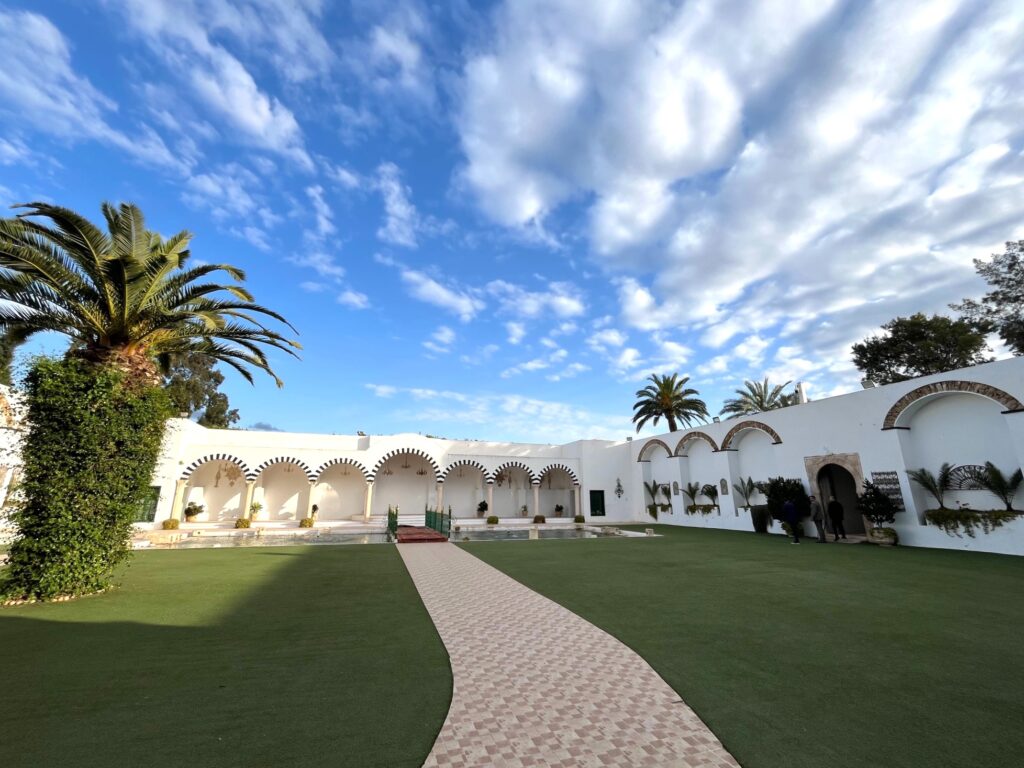
Tourismaguide was the Belgian guest at the launch of the Tunisian Ministry of Tourism's new promotional campaign. An opportunity to discover the Tunis-Carthage-Sidi Bou Saïd combo. An ideal city trip to kick-start the new Tunisia.
By Béatrice Demol
Tunisia at its simplest, the country's tourism professionals promise.
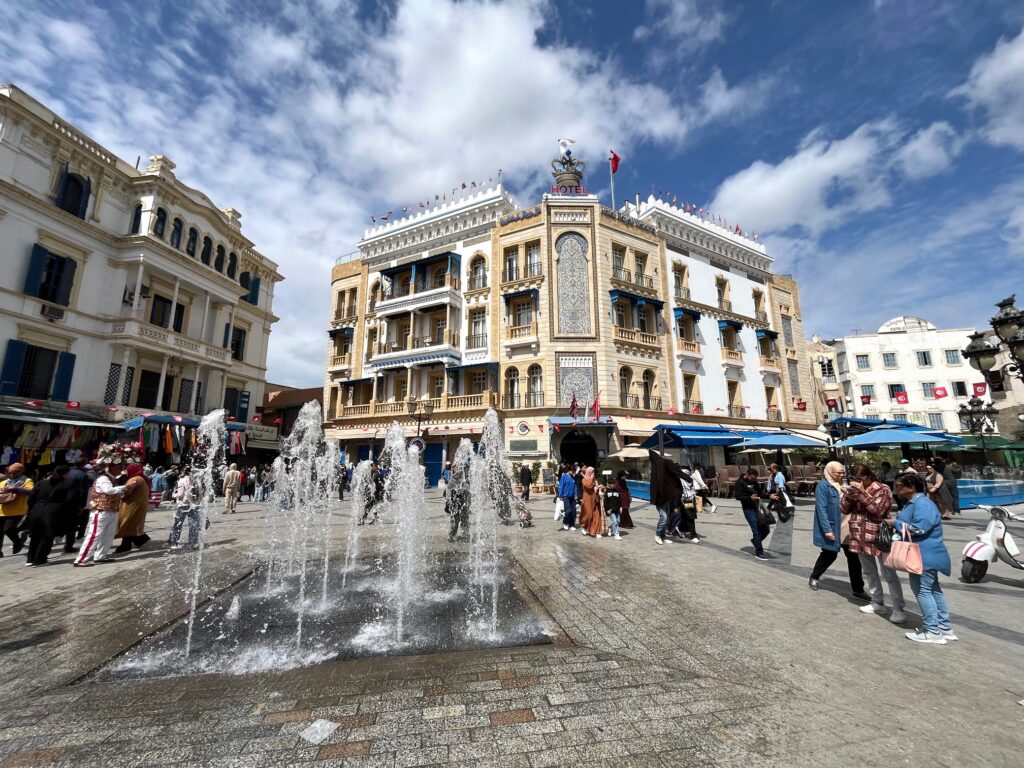
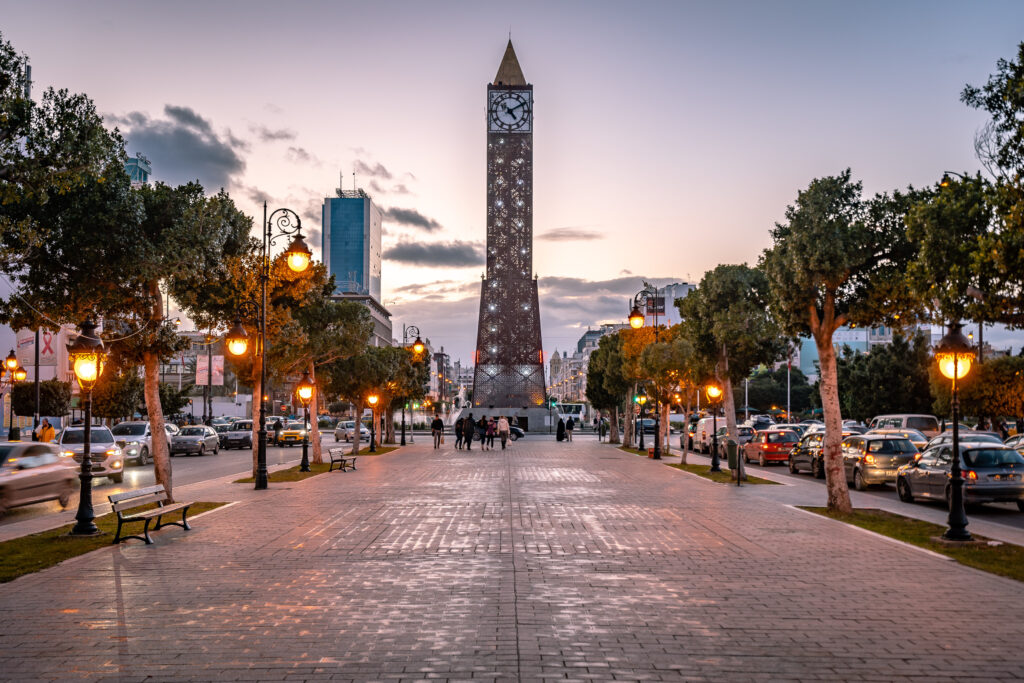
No doubt this wish fits well with a visit in the middle of Ramadan - which is over at the time of this reading. The scenery remains unchanged. Archaeological sites, palaces, beaches, museums - it's all there. In Tunis, Avenue Habib Bourguiba is as beautiful as ever, lined with splendid giant palm trees. But its municipal theater and luxury boutiques are closed. It's all a bit empty. Until evening. When the old folks who had gathered in a pharmacy to talk join the house or café across the street. When the stores roll up their iron shutters, and the kebab grills and chocolate crepe taques start to heat up. Hairdressers cut and shave. Restaurants display their menus Ramadan special. Tongues and stomachs are set free. The medina comes alive. We climb to the rooftops to share pine nut tea and chicha. Then the tour begins.
TUNIS, BETWEEN PAST AND FUTURE
An initial stroll through the city gave me an insight into the dilemma of a metropolis whose urban organization and architecture - colonial on the main boulevards, Arab-Muslim in the old districts, modern in the new arrondissements - sway between the history of the past and that of the future, yet to be written. The present seems impalpable to me, unless you talk to the inhabitants who tell us how everything fits together, systematically saluting « education accessible to all since Bourguiba »and expressing their doubts as to the power «It's an authoritarian approach, but perhaps it's the best way to move forward? »The new promotional campaign launched this week by the Ministry of Tourism in 16 European countries encourages me to take a fresh look at the country.
WHAT IMAGE OF TUNISIA?
What image do I have of Tunisia? The inexpensive Mediterranean, the beaches of Hammamet, a thalasso experience in grand hotels, the wind of Djerba, the stars of the Sahara and the palm grove of Tozeur. French is spoken and the cost of living is attractive. Appreciated for its all-inclusiveness, but shunned by more demanding tourists, the destination suffers from a lack of identity. That's a bit short-sighted, no doubt.
Three people who love their country are in charge of helping me discover a tiny piece of this Tunisia that wants to make its mark on the authentic but not outdated tourism scene. Khaled, from the Tunisian National Tourist Office, who answers all my questions. Hichem, the driver, who juggles the highway code and follows every detour I ask him to take. And guide Hamadi, a national hero who will make our escapade a glorious epic, since at every stop he has to shake hands and respond to smiles.
MY GUIDE, THIS HERO
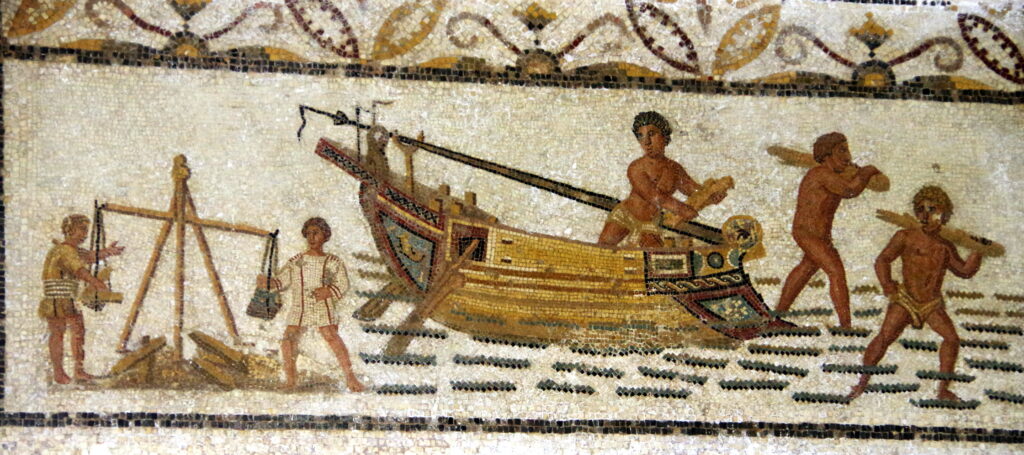
He's waiting for me in front of the Bardo, the national museum that houses the world's largest collection of Roman mosaics and archaeological finds from all over the country. Gathered in a superb palace whose walls tell the story of the sultans, these collections span the region's thousand-year history. Hamadi exudes the passion of old hands who pass on their knowledge. By the time we reach the Treasure Room, the pride on his face fades, and it's with emotion that he recounts how he saved fifty tourists during the 2015 attack. For the rest of my short stay, he will be my sesame, unearthing a reconstitution of a small Phoenician sanctuary off the circuit, opening the gates of the Roman amphitheatre erected by Julius Caesar after hours, taking a lesser-known but « which offers a better view ».
Hamadi woke up Ramadan-sleeping Sidi Bou Saïd by instructing all the shopkeepers to find a pair of earrings identical to the one I'd seen earlier on the road. In the end, the jewel was made in a small workshop for the price of « Hamadi special ». He'll put the same determination into finding me the best olive oil in the region - that «green gold» of the north, an essential purchase along with dates from the south.
All these Hamadi, heroic or simply passionate, are undoubtedly the country's best advertisement.
THE SAME TUNISIA, DIFFERENT
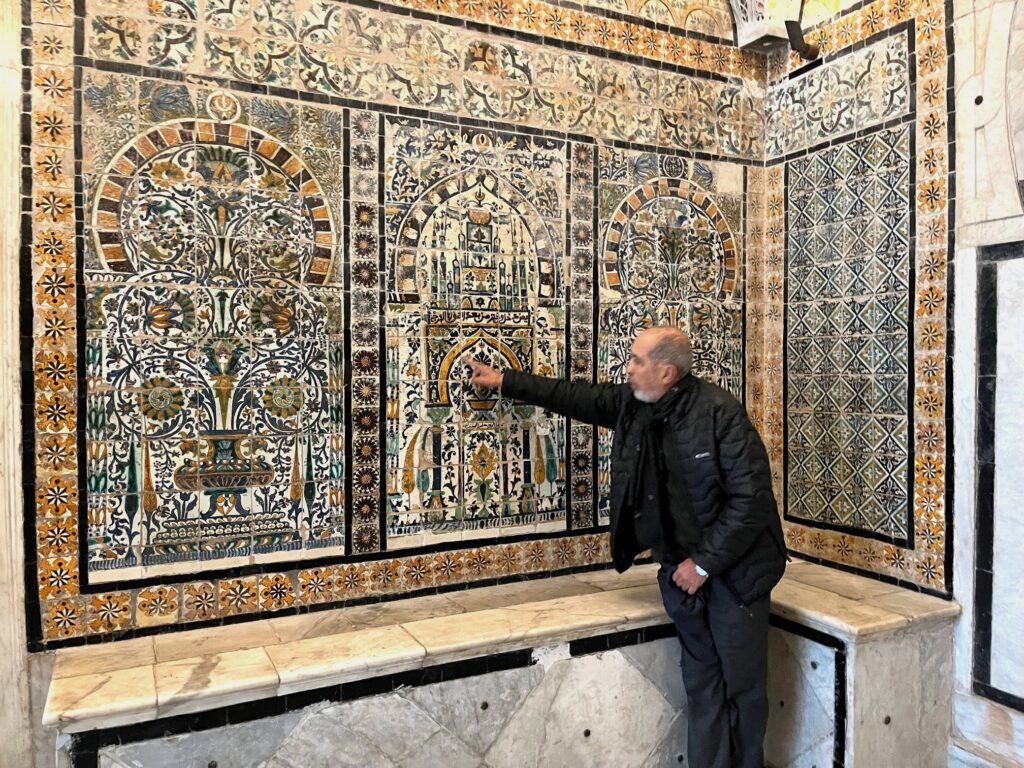
« Tunisia is the most modern and moderate country in the Maghreb, »says my guide several times. And that's it. After this announcement, we can untie the thread of Tunisia's history.
On the road to the medina, through the narrow streets, the historical narrative continues. When we pass an old woman in sefsari, the now very rare traditional silk dress, we are reminded of the ever difficult balance between tradition and modernity. As for the men, they continue to wear jebba for special occasions. We'll see several of them in the evening, at the presentation of the Ministry of Tourism's promotional campaign in a magnificent palace in the 18th century.ème century. « You'll have to watch »says Hichem: « They're not silk, because Islam forbids this fabric for men, as well as gold necklaces or cigarettes - anything that represents an ostentatious sign of wealth. »
«VIVEZ L'INSTANT T, VIVEZ L'INSTANT TUNISIE» (LIVE MOMENT T, LIVE MOMENT TUNISIA)»
This evening, we'll be talking about the country's strengths. Proximity, diversity and hospitality. The tourism offering is indeed extensive, from seaside resorts to culture and heritage, golf, adventure and gastronomy tours, thalassotherapy and Saharan tourism. Just two-and-a-half hours from Belgium, the destination is open to everyone, from families and young children to senior citizens, idlers and active people. The aim of the campaign is to consolidate these existing assets (we're talking about 3,000 years of culture and varied landscapes) by presenting them as so many opportunities to experience a moment of «joie de vivre".« for yourself »in authentic environments. Boosted by a study revealing that 73% of Europeans want to slow down on vacation, the «Live the moment. Live Tunisia.» offers a new way of discovering the country.
UNMISSABLE MEDINA
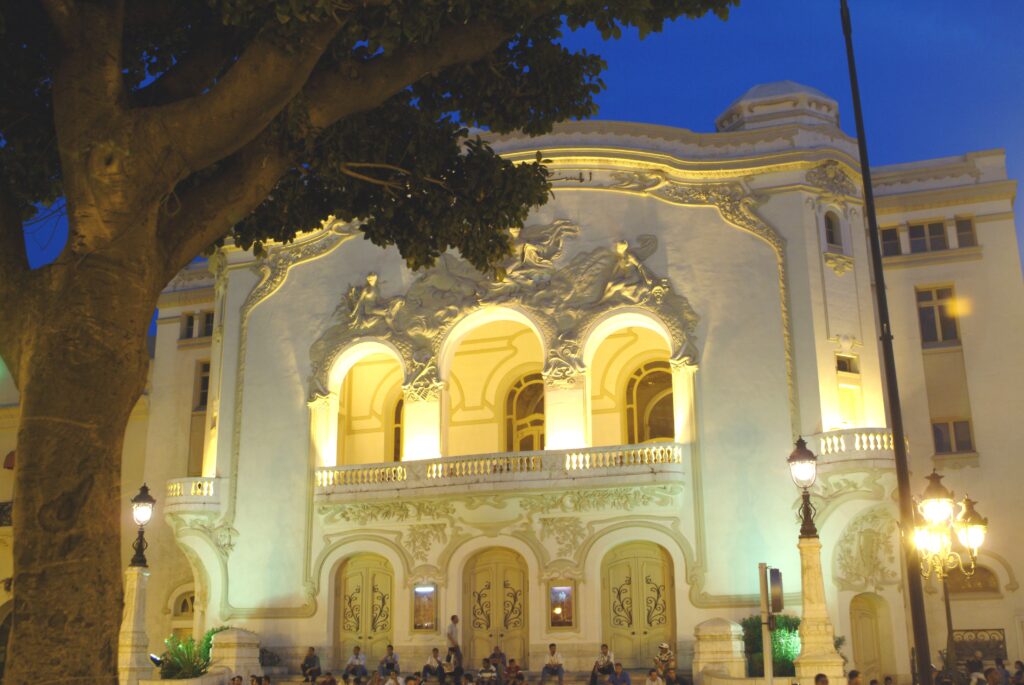
My hotel is 100 meters from the Porte de France, known as Bab El-Bhar, or Sea Gate, before the French protectorate, which is still the subject of much comment. It's said that the Mediterranean used to reach this point, but we don't know when. Today, it's the main entrance to the medina, the old town, the jewel of Tunis.
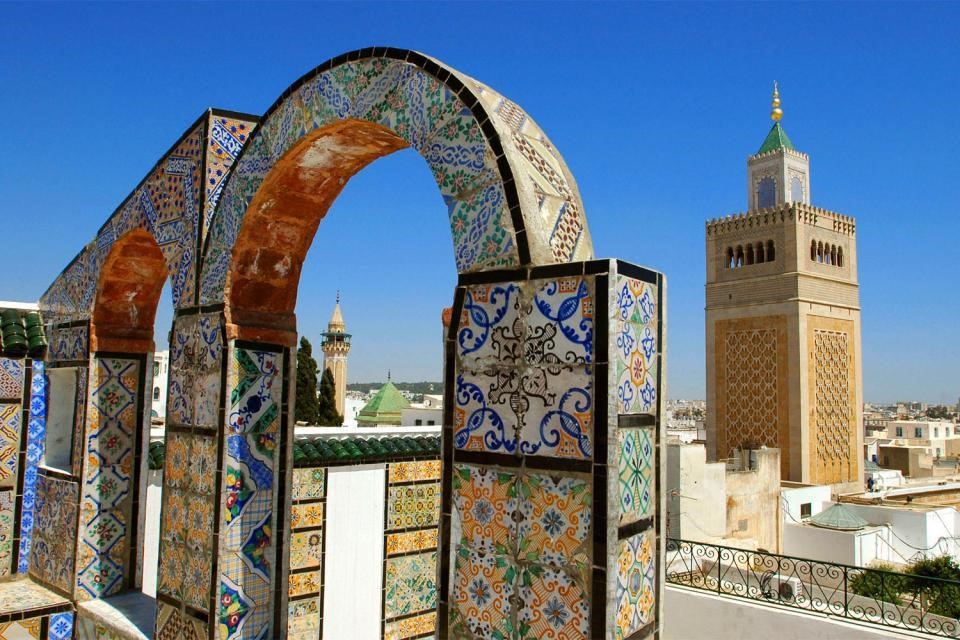
Visitors are often advised to enter from the left. The parade of souks organized into districts (gold, perfumes, fabrics...) already holds its promise of scents and exoticism. Stores breathe Maghreb and Andalusia, family homes are transformed into small museums, and rooftops with tiled walls are improvised everywhere to offer a view of rooftops and minarets.
If you turn right, you'll come to the same place: the Zitouna mosque, the heart of the medina around which the city was built. Off-limits to travellers, the building, its 43-metre minaret and two watchtowers are the city's geographical and religious landmark.
GETTING LOST IN THE SOUKS
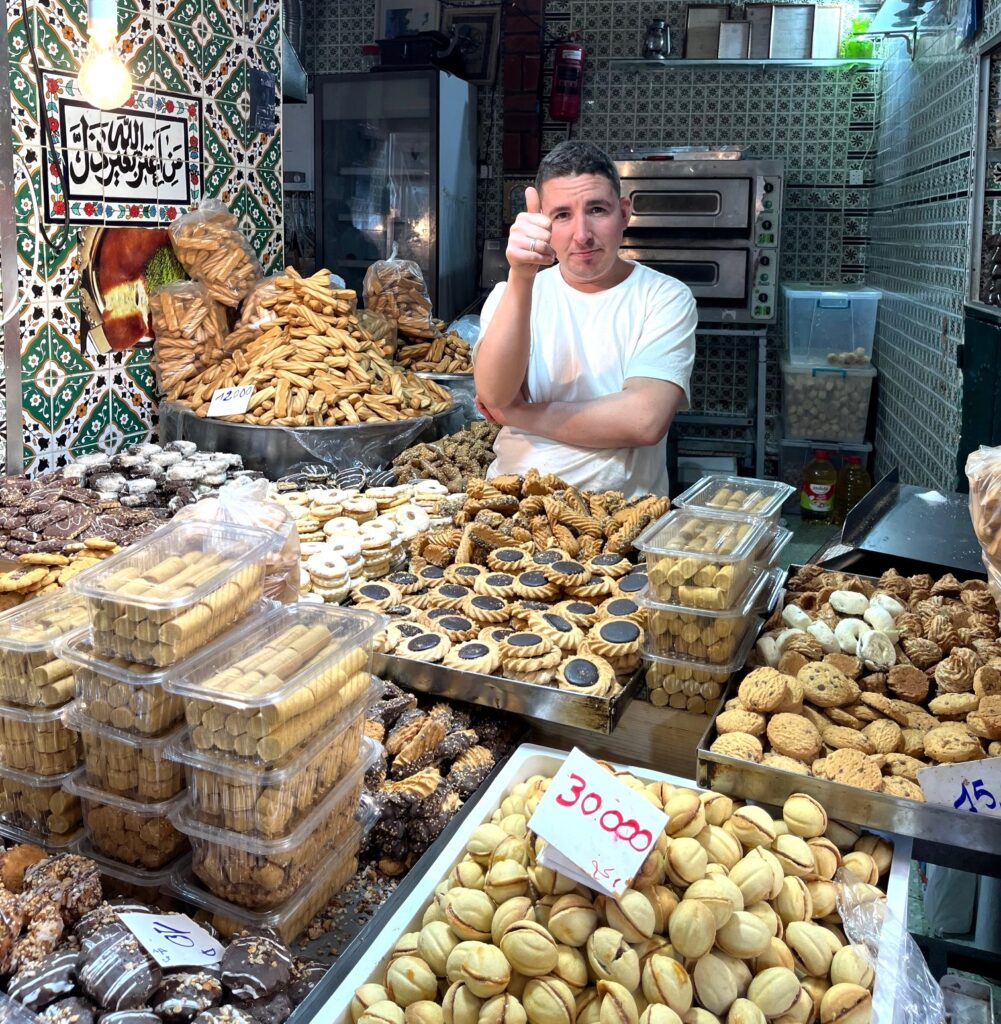
With a guide, you make strategic stops: studded doors, arches and patios to keep homes warm or cool, dars transformed into cultural spaces, ancient hammams. Watering holes to stay connected to the universe and suggest meditation. The As-Salaam-Alaikum that is pronounced even when you return home alone - to bring peace. The best manufacturer of chechia, the red skullcap that Hichem will wear throughout his stay to express his «love for the world".« respect and pride in being Tunisian ». The family photo gallery on his laptop turns out to be a veritable lesson in the country's sartorial customs.
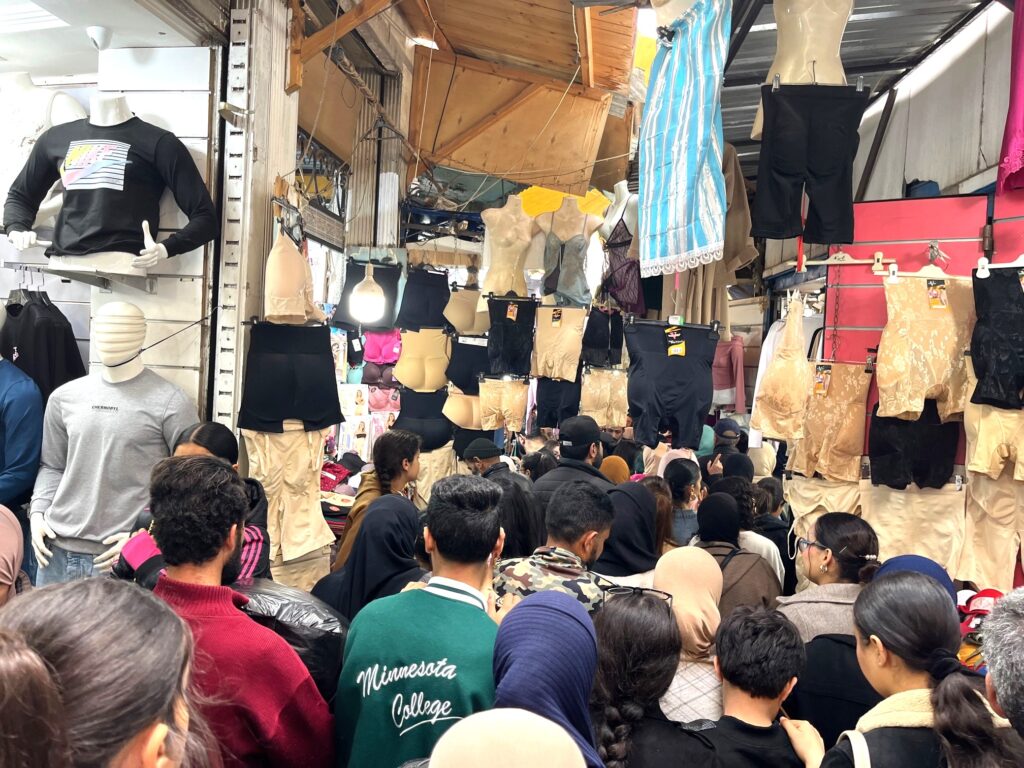
Without a guide, you can get lost. But you'll never get lost, because there's always someone to lead you back through the narrow streets. Passing through a cousin's store, but never forcing your hand. The only delicious risk is being swept away by the crowds in the popular souks, those mostly frequented by locals - the right-hand side, in fact. « Same products, often same brands, but cheaper. ». The crowd is dense, you walk at a very slow pace, following the movement up or down, don't try to branch off, you can't get into the crowded stalls. « It's the end of Ramadan, the last shopping days before Eid el-Fitr, and everything is cheaper in the last days! »laughs a young woman whose feet I've crushed. Fortunately, slippers are cheaper on this side.
ON THE ROAD TO CARTHAGE
The Greater Tunis area extends up to 28 kilometers around the city, especially to the north, along a bay opening onto the Gulf of Tunis. A strategic region since Antiquity, 130 kilometers from Italy, this commercial, cultural and historical crossroads has seen its lands trodden by warriors from all over the Mediterranean basin. Phoenician colony, scene of the Punic Wars, Hannibal, Caesar, destruction of Carthage, reconstruction of Carthage, Greeks, Romans, Arabs, Berbers, legends and more question marks in history. With Hamid, all this is taking shape a little, but we don't have too much time, so we'll have to come back. My Instant T is too short.
LA GOULETTE: NOSTALGIA
Hichem wants to show us La Goulette, the village marina and tourist port where the big cruise ships still dock to the delight of the population - « They spend, which is good for us. »Other tourists are also day-trippers. They come to eat the best fish on the coast for 3€. My fellow travelers talk fondly of the Fish Festival, but the town has really lost its former prestige. However, it's easy to imagine a few small hotels on a beach that's been a little improved, the facades repainted white and blue and an invitation to more intimate tourism. A small gorge links the sea to Lake Tunis - which I can see in the evening from my hotel window. It's called La Petite Sicile - « Because the first emigrants in our modern history were Italians, not Africans! »Claudia Cardinale was born in the village. Above all, it was here that Bourguiba came to announce independence, signed in 1956.
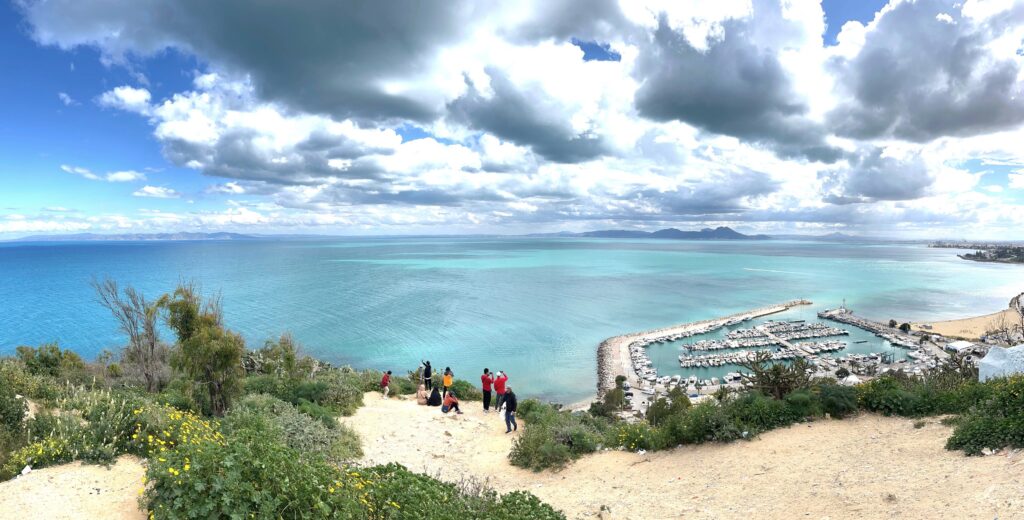
CARTHAGE : HISTORY
The boulevard Bourguiba, very lively in summer, runs 15 kilometers up from La Goulette to Kram-Salammbô, the vacation spot of Europeans, diplomats and the upper middle class of Tunis. Le Tophet, a sanctuary where reconstituted stelae and real necropolises are intertwined around legends of sacrifice, is still the subject of excavation and interpretation, as are many sites throughout the country.
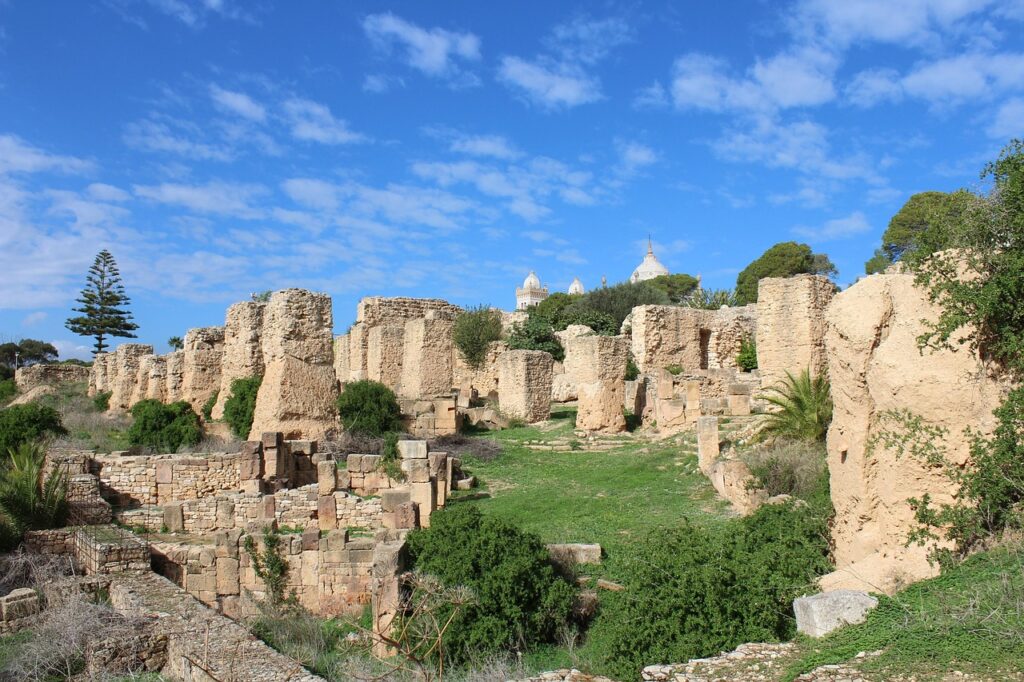
We enter Carthage via this boulevard and the chic suburb of Dermech. Stop off at the amphitheatre, famous for its International Festival of Dance, Theatre and Music. Finally, the Hannibal district to Byrsa hill, home to the famous ruins of Carthage. The guide loves the legend of Queen Elyssa, who disembarked from Tyre in 814 BC, to whom the Berbers agreed to cede the land for the size of an ox hide. Queen Elyssa then had the skin cut into tiny strips to encircle Byrsa, where she erected what would become a veritable commercial empire.
On the same hill is the Cathedral of Saint-Louis, where Louis XI was buried after suffering from the plague during his umpteenth crusade. Archaeologists have uncovered a double city - Punic underneath, Roman above, with the Thermes d'Antonin (Antonine Baths) overlooked by the presidential palace, which commands a view of the entire gulf. So many peaceful sites that call for a history lesson as well as a stroll between land and sea. The suspended time of which the Minister spoke?
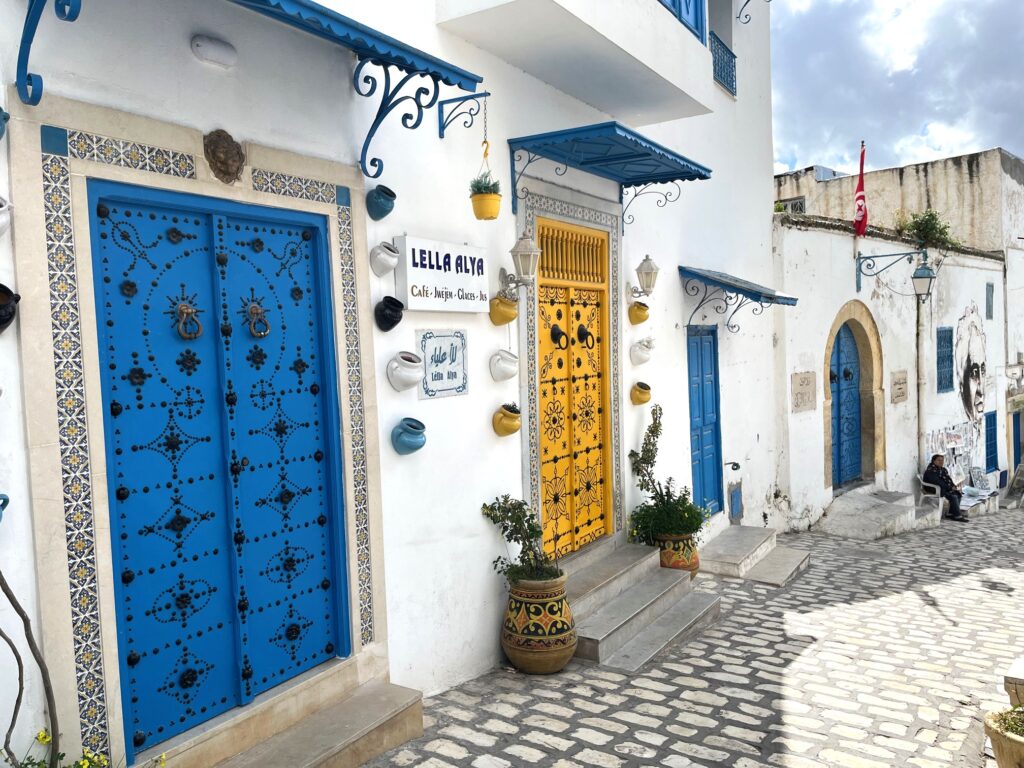
SIDI BOU SAÏD: THE MAGNIFICENT
These are white houses with blue shutters perched on the hillside. You walk up to them, along a main street with irregular cobblestones that, despite and between its touristy stalls with identical stalls, lets a few little treasures slip through. A door you'd like to unscrew to take it away. A small gallery where, alongside souvenir objects, an old pot is transformed into a mug, an antique soup tureen into a lamp and leather used for babouches into a bag. Small private palace-museums with blue moucharabiehs, where furniture, mosaic slices, paintings, clothes, musical instruments and even a complete 18th-century house in its original state are neatly stacked.
Little time for a total experience. And it's not beach season. The terrace of the Café des délices is empty, but the bambalounis (doughnuts dipped in sugar) vendor is open for business. The Au bon vieux temps restaurant, former home of André Gide, only serves indoors, but its Ayem Zmen salad and couscous are as exciting as the owner is friendly. From its roof, the Mediterranean is incredibly clear. And here too, getting lost in the narrow streets on the way down to the sea is a pleasure not to be bargained with. This is what the country now wants to offer: simple emotions in grandiose surroundings.
THE TGM, 18 STOPS FOR 18KM!
A guide and driver are a comfortable way to discover this Grand Tunis. By taking the legendary TGM Tunis-Goulette-Marsa, you should experience this piece of Tunisia even more authentically. The former steam train line reserved for the bey of Tunis to visit his secondary palaces is now connected to an electric network and offers the full route from Tunis to the chic resort of La Marsa - which I didn't have time to reach. 35 minutes, but above all 18 stops near historic sites and in less-visited or downright unusual places. The little train, as blue as the gates of Sidi Bou Saïd, which it obviously serves, runs every fifteen minutes (six in rush hour) between 3 a.m. and midnight, and you can hop on at your leisure for €0.15 from one station to the next.
INSTANT T: NO MORE CAMELS AND PALM TREES!
L'instant T. The slogan was perfect. T for Tunisia. T for it's time to rediscover a country that has tended to hum along, assured of an ever-increasing number of visitors. T as in time for oneself in a country of soft assets. «Ideal for visitors in search of meaning, authenticity and a return to basics, »This was announced by Sofiane Tekaya, Tunisia's Minister of Tourism, who was receiving representatives from the 16 European countries targeted by the campaign. In other words: authenticity, immersiveness and experience are our answer to the flashy sirens of the Gulf's new competitors, and to counter the other contenders lining the Mediterranean basin: Morocco, Greece, Spain and Italy.
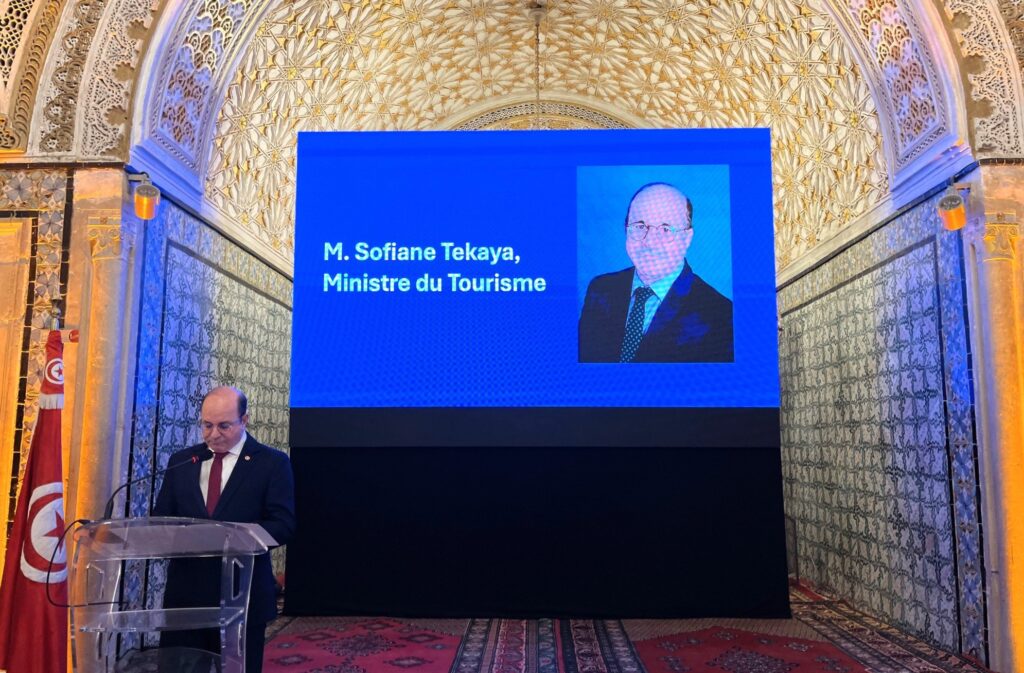
Flanked by Foreign Affairs Minister Mohamed Ali Nafti and Helmi Hassine, Director of the Tunisian National Tourist Office, the Minister of Tourism outlined his country's assets and urged the audience to renew its vision of Tunisia: « No more camels and palm trees. They're there, but there's something else. »And to announce incentives for the domestic sector and for European partners, including Belgium, which sent 105,686 tourists in 2024 - an increase of 10%. Workshops, eductours, press trips for professionals. Seduction campaigns for others. The Belgians are going to be in great demand over the coming months. It's a great opportunity.
https://www.discovertunisia.com
https://www.explore-tunisia.com/be-fr
https://www.explore-tunisia.com/be-nl