Tunisia is one of the richest countries in heritage in the Mediterranean basin, with nine sites inscribed on the UNESCO World Heritage List and a mosaic of cultural sites that tell three millennia of history. From Punic cities to Arab medinas, from Roman amphitheaters to great natural sites, each of these stops reveals another facet of Tunisian identity.
The must-haves
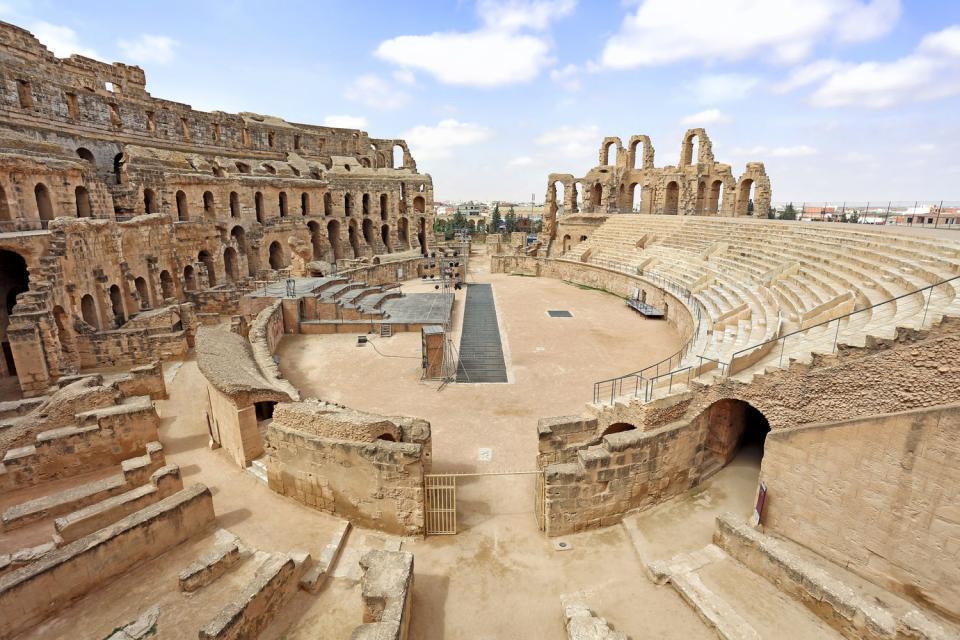
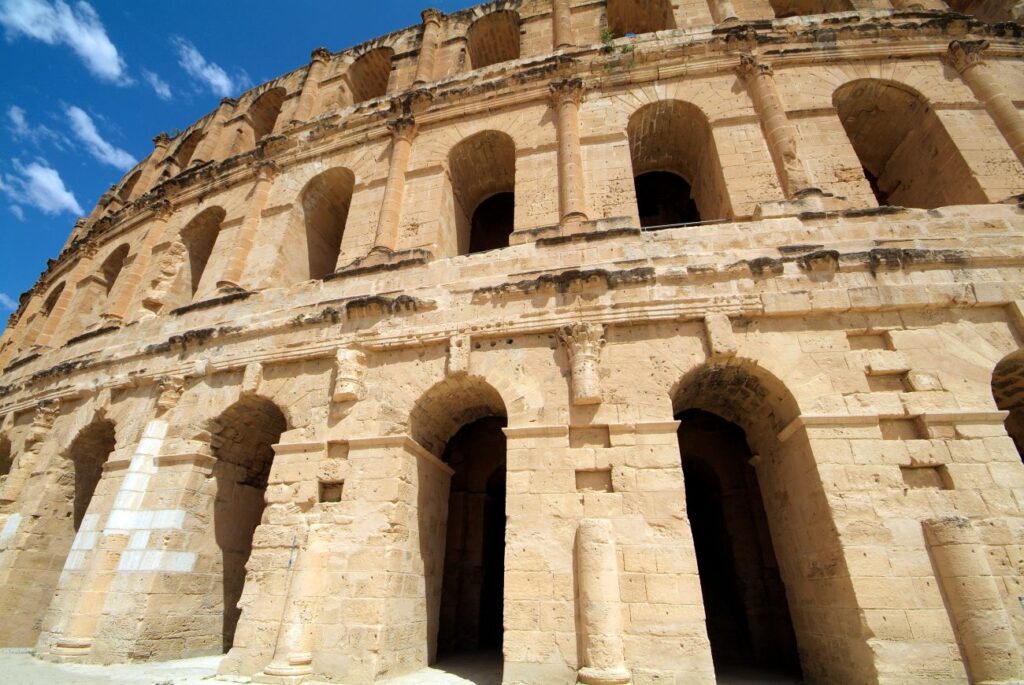
While the sites mentioned in a previous article – El Jem, Carthage, Kairouan, Sousse, and the Medina of Tunis – are relatively well-known, they each structure Tunisia's heritage narrative in their own way. Dominating the plain for nearly two millennia, the amphitheater of’El Jem, one of the largest and best-preserved in the Roman world, impresses with its monumental tiers, perfectly preserved galleries, and the scale of its architecture. It is one of the most spectacular testimonies to the Roman presence in North Africa.
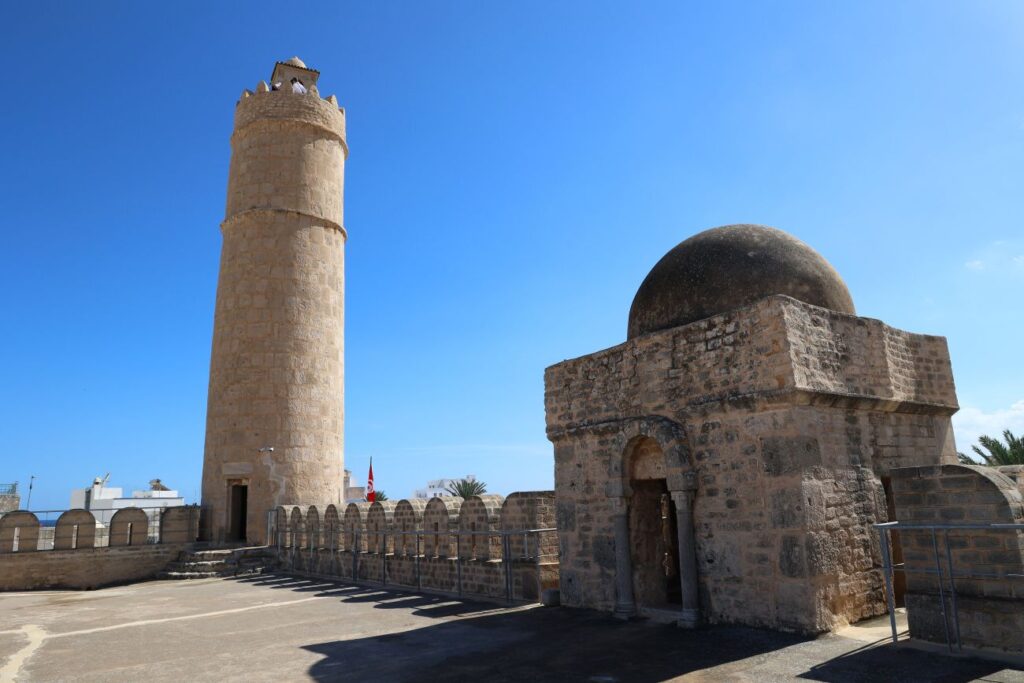
Carthage, Shattered into a mosaic of remains, it illustrates the superposition of civilizations that have left their mark on the country and the Mediterranean. Kairouan, with its Great Mosque and ancient quarters, recalls the city's foundational role in Islamic history. Sousse, the medina fortified and its Aghlabid ribat, illustrate Islamic architecture of the 9th century, while the medina of Tunis, which boasts over 700 monuments, unfolds into a living labyrinth of souks, mosques, and palaces. It offers a rare example of urban continuity where institutions, commerce, and craftsmanship still coexist within a preserved medieval setting.
These sites are often the first stops on a cultural journey through Tunisia, but the country holds more discreet, sometimes lesser-known treasures, also inscribed on the World Heritage list, which deserve special attention.
Ichkeul: A Unique Natural Sanctuary in the Mediterranean
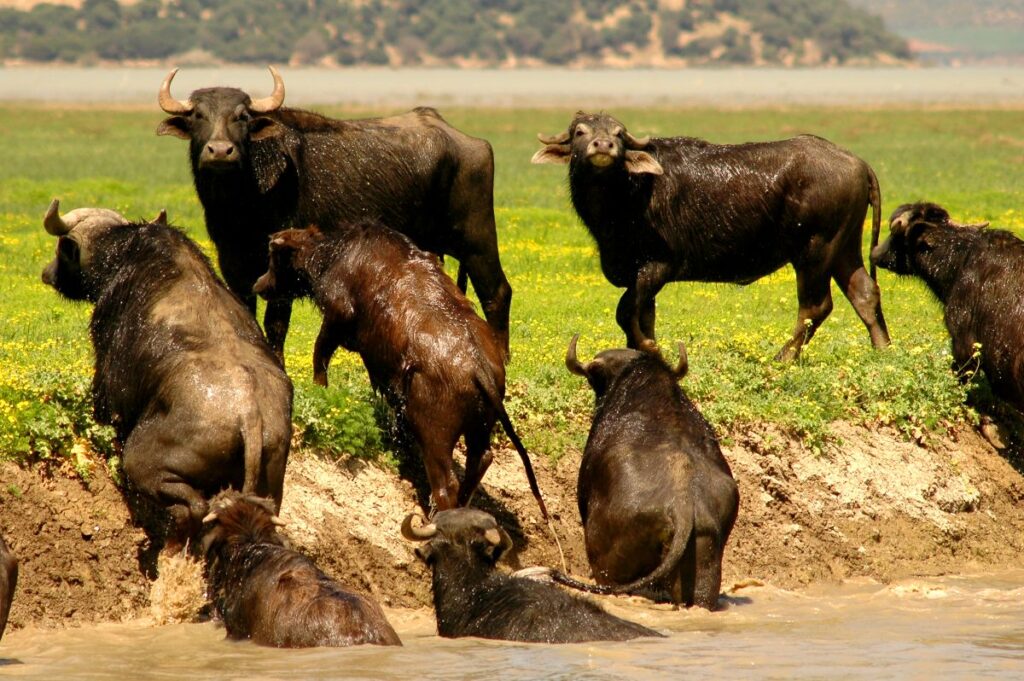
The only Tunisian natural site inscribed on the UNESCO World Heritage List, The Ichkeul National Park It is located 1.5 hours by car from Tunis. Classified as a World Heritage site since 1980, it preserves one of the last large freshwater lakes in North Africa. It is an essential stop for hundreds of thousands of migratory birds – ducks, geese, coots, flamingos, storks – who find refuge there between November and February, between Europe and sub-Saharan Africa. Travelers will also discover marshes, a mountainous area, and landscapes that change with the seasons, where flocks of birds, diverse vegetation, and water buffalo create a living tableau. An ideal stop for nature lovers, hikers, and photographers.
Kerkouane: The Punic City Frozen in Time
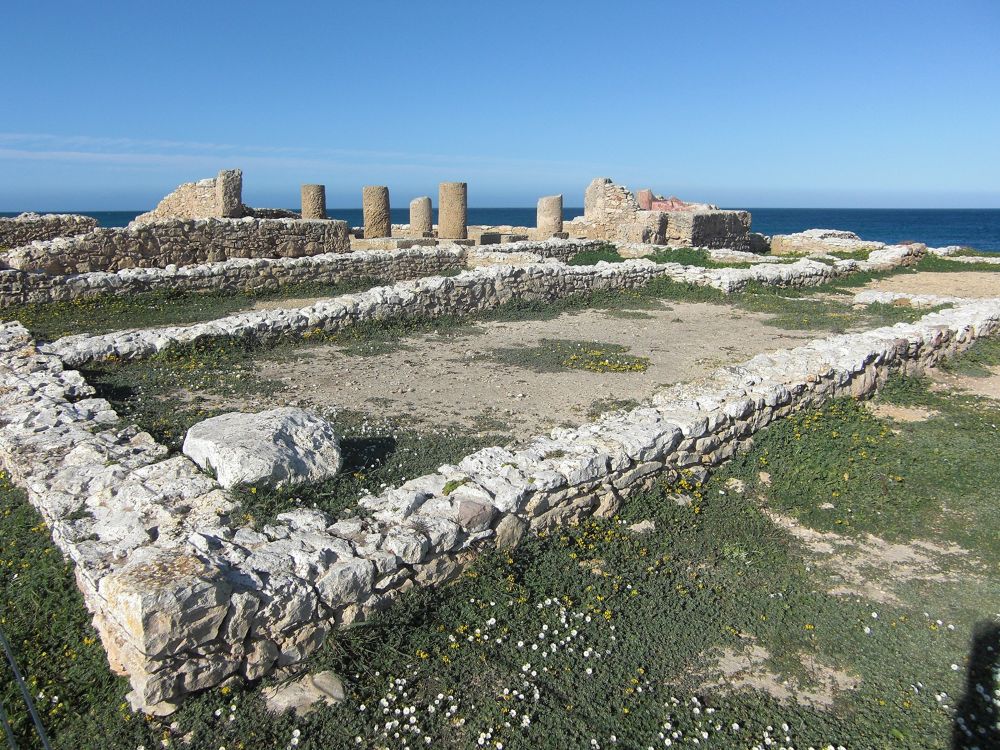
2 hours from Tunis, at the tip of the Cap Bon peninsula, Kerkouane This is an atypical archaeological site: it is the only Punic city in the world preserved in its original state, never rebuilt by the Romans. Its houses, baths, and rectilinear urbanism offer a rare glimpse into Carthaginian daily life. Traces of purple dyes, ritual baths, and sophisticated drainage systems can still be seen. Kerkouane is a journey into a civilization often overshadowed by Rome, but whose ingenuity and aesthetics are revealed here with striking clarity.
Djerba: An Island-World with Intertwined Identities
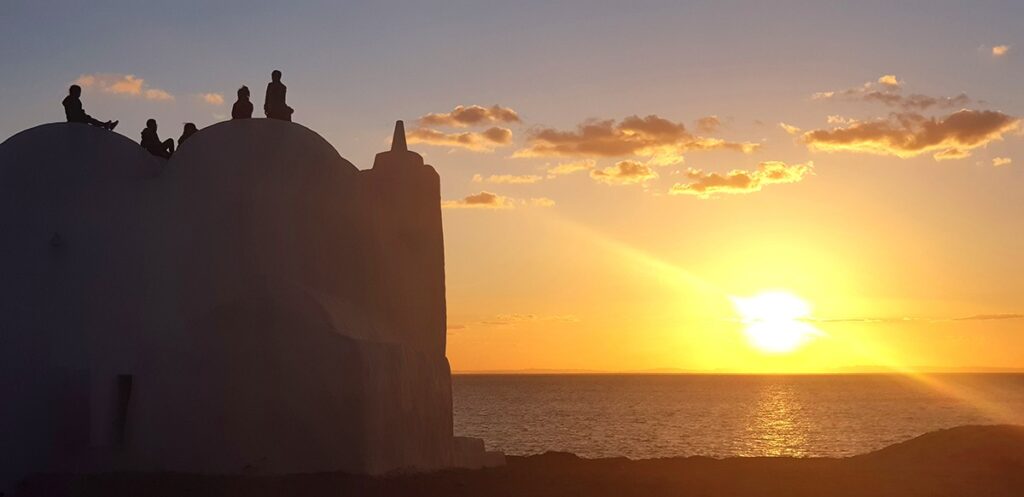
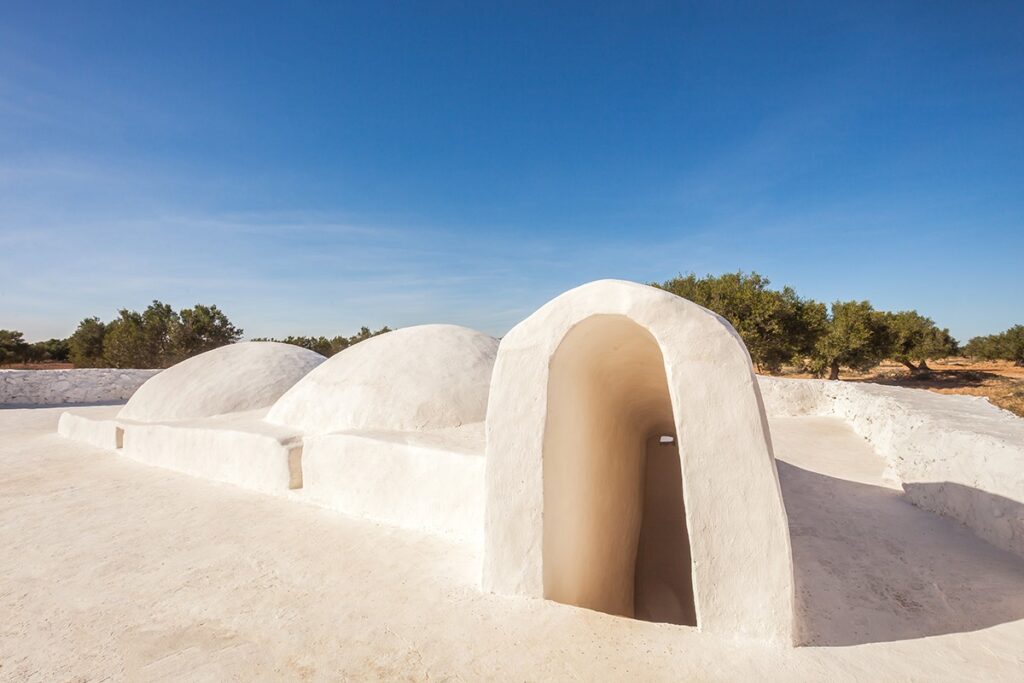
Djerba is not just a magnificent seaside destination. The latest Tunisian entry on the UNESCO list in 2023, it indeed preserves several archaeological sites such as Meninx or Souk El Guebli with its Punic necropolis. One of the island's characteristics is its mix of religions: churches, synagogues (including Ghriba, the oldest in Africa), and over 300 mosques (some of which are sometimes semi-underground) coexist respectfully.
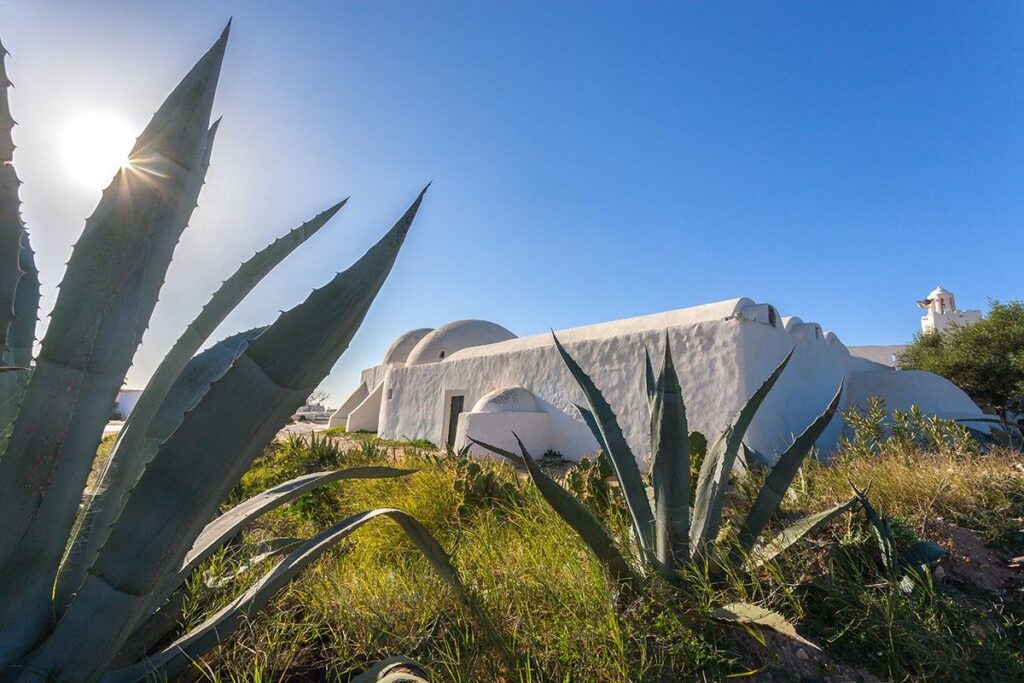
Its traditional island habitat, the houma (neighborhood) made up of menzels (family estates) that include several houchs (habitation unit) connected to each other, often had an agricultural or artisanal vocation allowing for self-sufficiency. And let's not forget the pottery workshops of Guellala, heirs to millennia of expertise.
But one should by no means stop at this list. With over 3,000 years of history, Tunisia holds a multitude of often unknown treasures. Here are some other sites, some famous, some more confidential, that are well worth a visit:
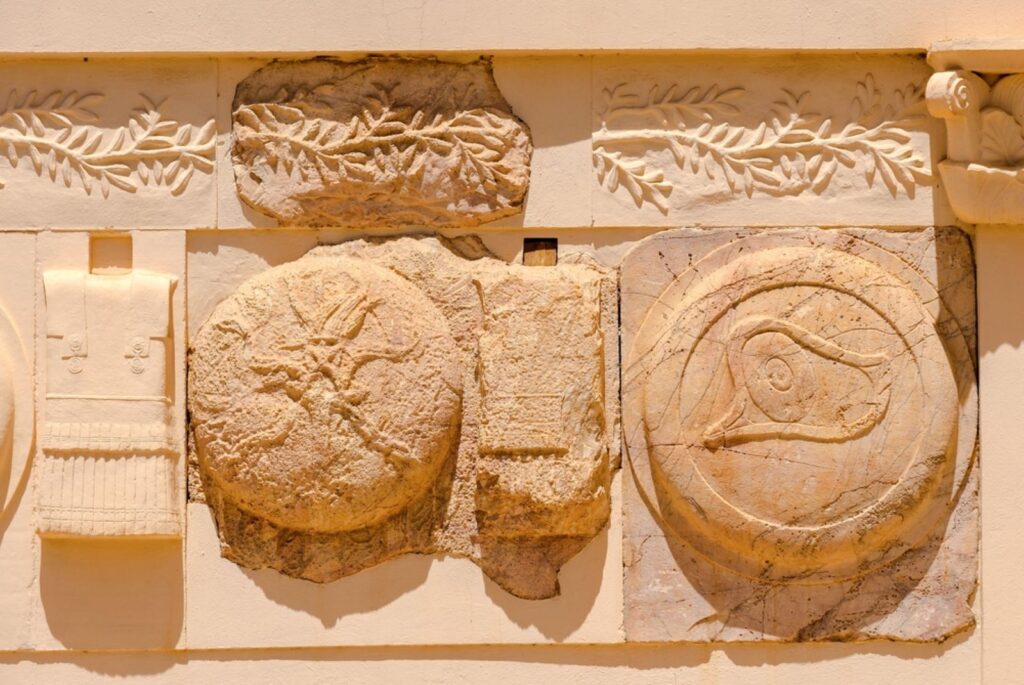
Chimtou: The Yellow Gold of Numidia
In the northwest of the country, this gem is a 2-hour drive from Tabarka. Less known to the general public, Chimtou was one of the most important marble quarrying centers of antiquity. The famous Numidian marble, a yellow veined with purple, adorned the monuments of Rome and Carthage. The museum, integrated into the site, retraces the history of this exploitation and the lives of the workers, some of whom were Roman prisoners.
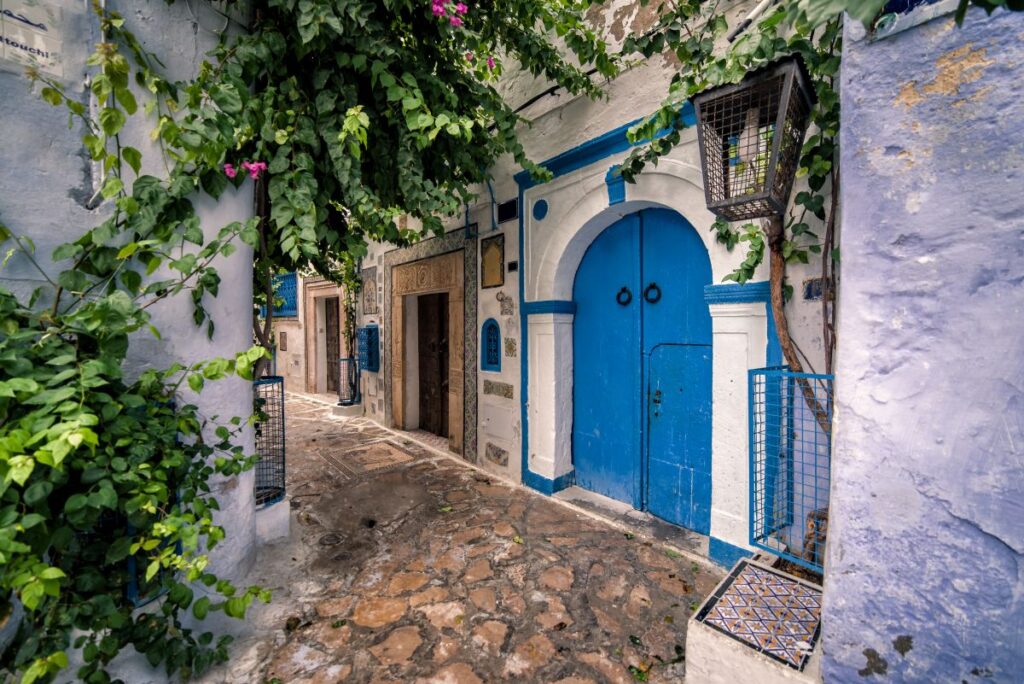
Sidi Bou Said: An Iconic Blue and White Village
20 minutes from Tunis, perched above the sea, Sidi Bou Saïd is not (yet) a UNESCO World Heritage site but is a major cultural site. Its ‘Andalusian’ architecture, artistically studded doors, and paved alleys have inspired painters, writers, and travelers since the early 20th century. The village forms a perfect diptych with Carthage, located just below. Wandering among the immaculate houses, one encounters cafes suspended above the sea, artisans still working in the old ways, and panoramas that seem hand-painted. It is a place where time slows down, where every turn promises a living postcard.
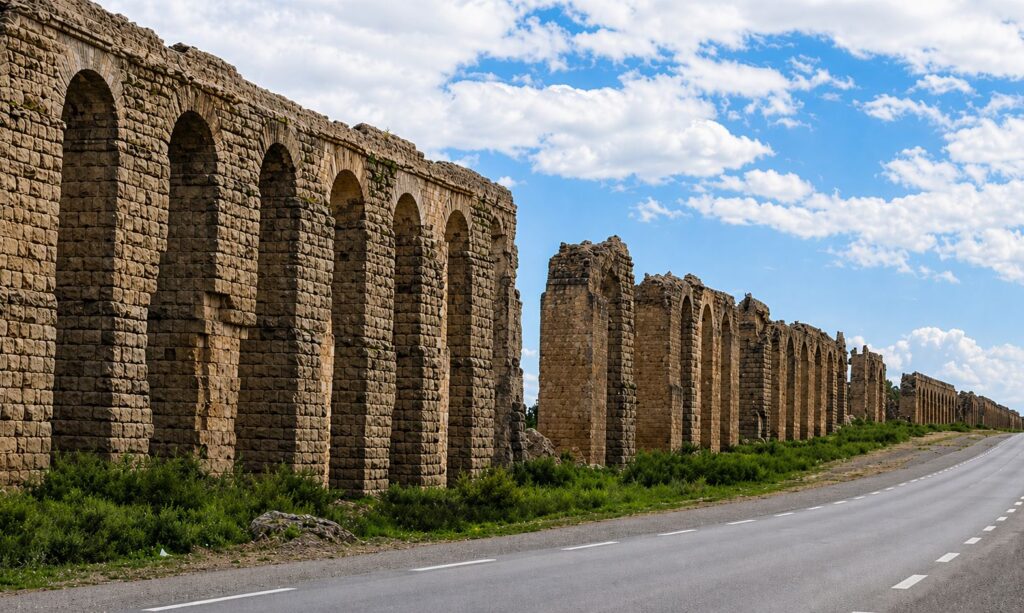
The Zaghouan–Carthage Hydraulic Complex: A Masterpiece of Roman Engineering
An hour from the capital, the traces left by the largest complex of its kind ever built can still be observed, with some parts of its aqueducts still functional... for nearly 2,000 years! Built in the 2nd century AD, The Zaghouan Aqueduct transported water over 130 km to Carthage. It is one of the longest aqueducts in the Roman Empire, a spectacular testament to ancient hydraulic mastery. Its monumental arches, still visible in the Tunisian countryside, create a unique historical landscape.
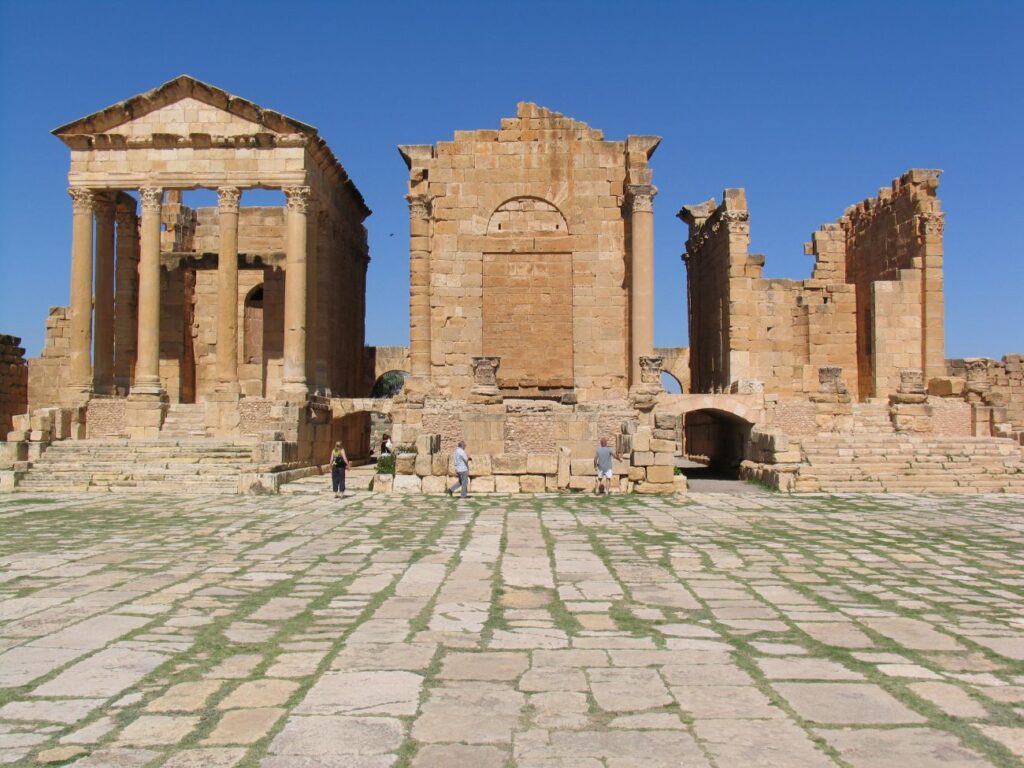
Sbeïtla: a Roman city with twin temples
In the center of Tunisia, Sbeitla Sufetula is one of the best-preserved Roman sites in the country. Exploring this archaeological site, one discovers a remarkably preserved forum, its three majestic temples – dedicated to Jupiter, Juno, and Minerva – standing side by side like a stone theater open to the sky. The worn paving stones, the still-standing arches, the public baths, and even Byzantine churches tell the story of a once prosperous city, animated by commerce and civic life. Today, the silence that envelops Sbeïtla gives each step an almost meditative dimension, as if the traveler were traversing time as much as space.
Other sites, less well-known, such as Thuburbo Majus, Makthar, Bulla Regia and Utica complete the Roman archaeological panorama of Tunisia, each time offering another insight into the diversity and beauty of its ancient heritage.
The Sfax medina: an intact jewel
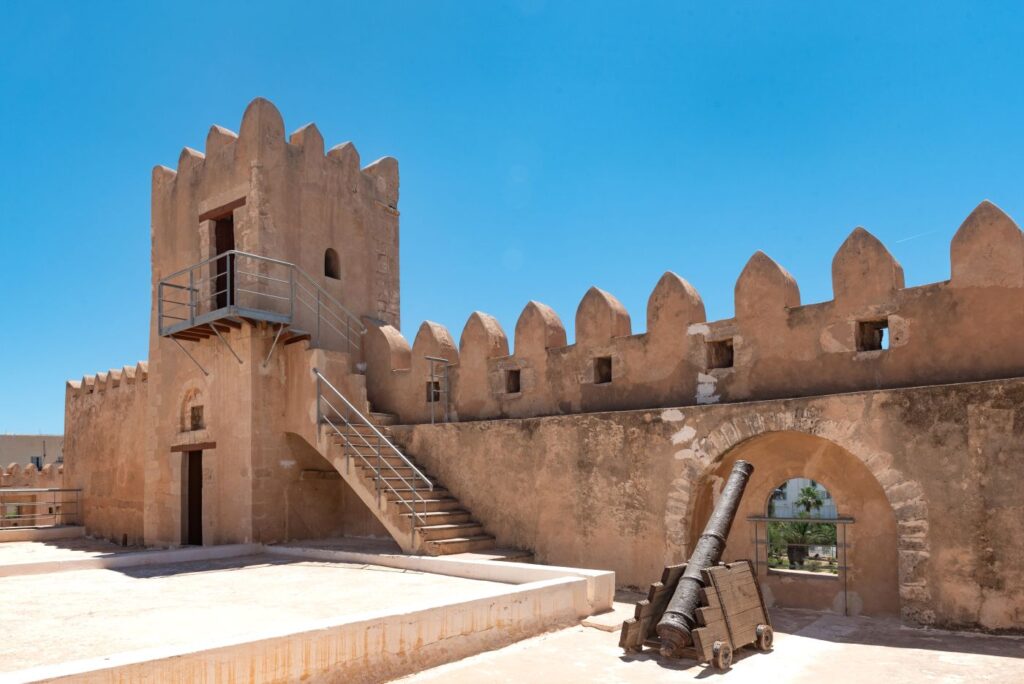
Less touristy than those of Tunis or Sousse, the medina of Sfax, two hours south of Monastir, is one of the best-preserved in the Maghreb. It's a whole segment of Tunisian heritage that unfolds behind the massive ramparts erected in the 9th century by the Aghlabids. This perfectly preserved enclosure frames an urban fabric that has remained astonishingly faithful to its medieval plan, where souks, artisan workshops, and traditional dwellings bear witness to a rare continuity. Walking through its straight streets – a peculiarity that distinguishes Sfax from other medinas in the country – one can still read the layout and ingenious urban planning of a trading city organized around the Great Mosque, a true spiritual and architectural heart. Exploring this district of Sfax allows you to discover a living medina, still inhabited by its artisans.
El Feija and Bouhedma, bastions of Tunisian biodiversity
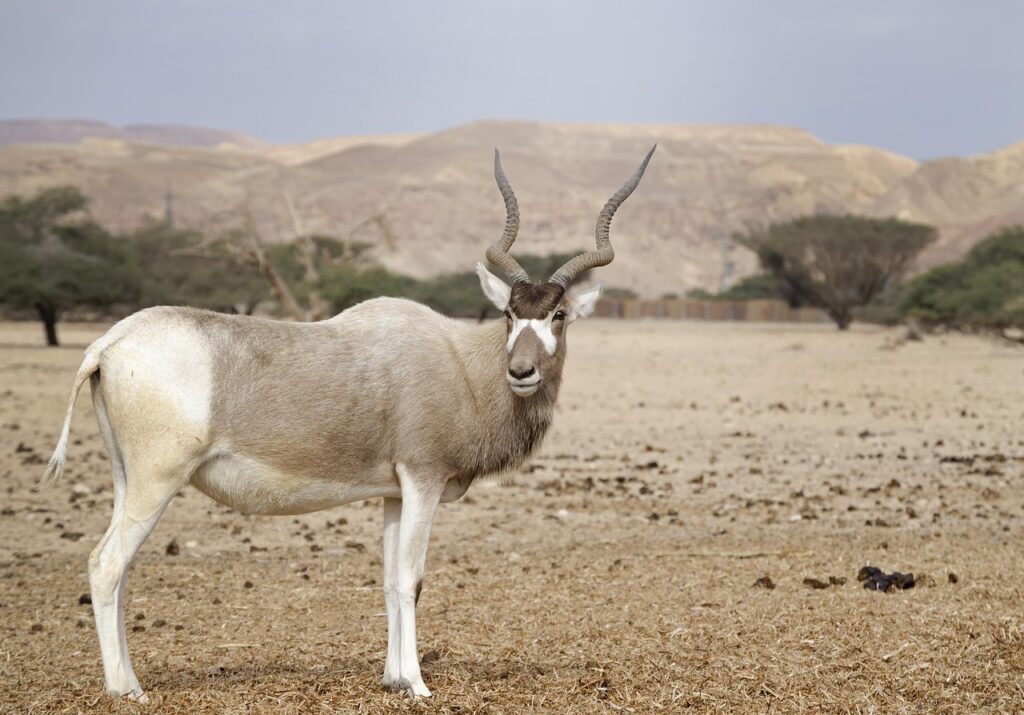
Tunisian nature is also full of gems. The national parks of’The Feast and Bouhedma illustrate, for example, two complementary conservation approaches in Tunisia. Located in Kroumirie, El Feija protects one of the last dense cork oak forests in the country and is an essential refuge for the Barbary deer, an iconic species of North African fauna. The site is distinguished by the richness of its wetlands and its role in preserving the mountainous landscapes of the Northwest. Further south, Bouhedma National Park covers a vast area of steppe and Saharan savanna, where species once threatened with extinction, such as the addax and the Arabian oryx, still survive, having been reintroduced as part of conservation programs.
Tunisia offers a rich, varied, and deeply human journey. Its UNESCO sites, both cultural and natural, are not frozen relics, but rather places that are mostly inhabited, shaped by evolving stories, traditions, and landscapes. Exploring this heritage means understanding the richness of a crossroads country, where Phoenician, Roman, Arab, Ottoman, and Berber influences, among others, have intersected for three millennia.
Plan your itinerary:
Tunisia's cultural sites and UNESCO World Heritage sites are easily accessible. Travelers can reach them from their hotels by rental car. Other options include private or group excursions organized by local agencies or tour operators.
More info: http://www.discovertunisia.com