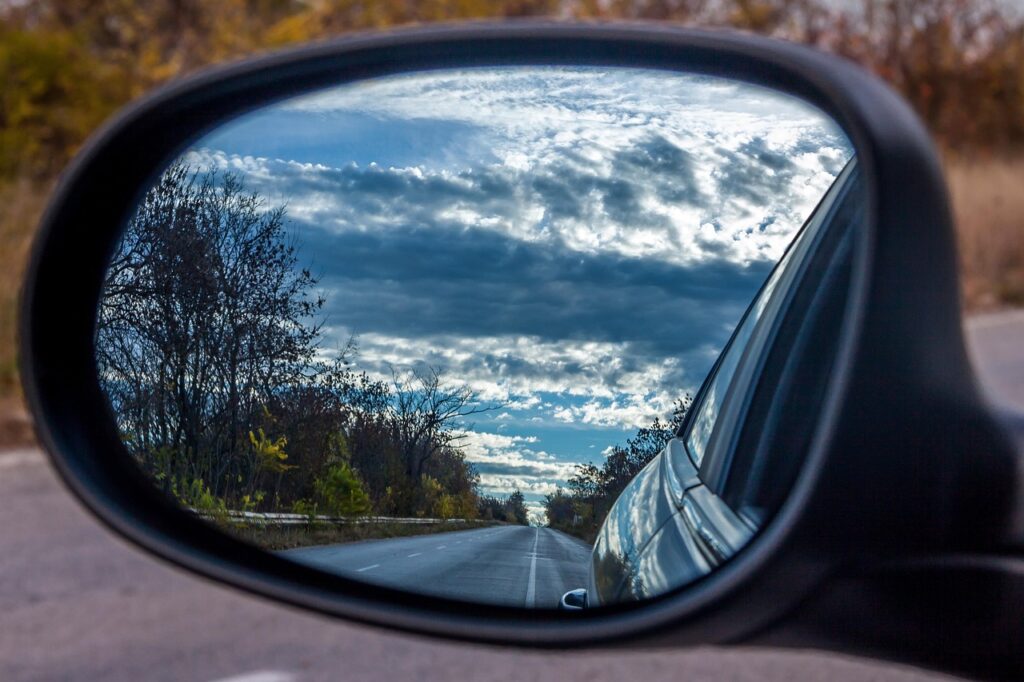
Travel photos have become a true universal language. They allow us to share our discoveries, immortalize precious moments, and tell a story without saying a word. However, taking beautiful pictures doesn't depend solely on the equipment used. It's above all a matter of perspective, light, composition, and a few little tricks that we're sharing with you here.
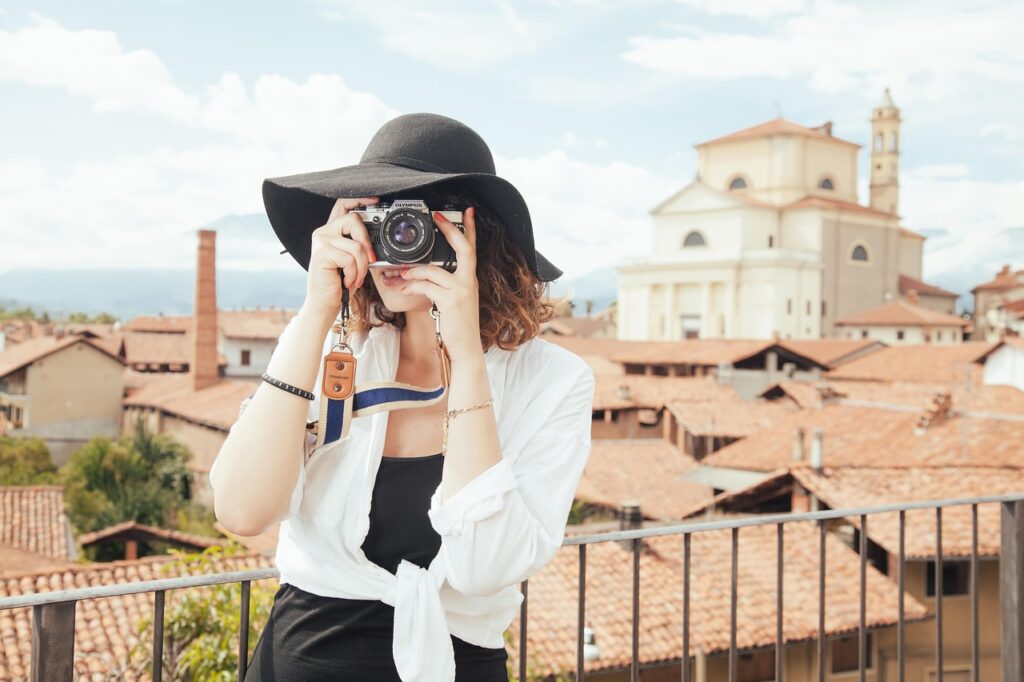
1. Playing with light: the key to a successful photo
Light is the most determining element in photography. It shapes the colors, textures, and atmosphere of a scene, and learning to observe it radically changes the quality of your images. The golden hours — just after sunrise and before sunset — offer soft, warm light that enhances landscapes and portraits. Conversely, the harsh midday light creates strong shadows, but can be used to play with contrasts or capture graphic scenes. Indoors or in narrow alleys, looking for areas of shadow or beams of light allows for the creation of more subtle compositions. When traveling, understanding light means adapting to what the location offers and transforming every moment into a visual opportunity.

2. Telling a story: the soul of a travel photo
A successful photo doesn't just show a place: it conveys an emotion. In the end, rather than accumulating isolated snapshots, why not try to capture moments that, when put together, reveal an atmosphere, a rhythm, an emotion. A photo of a lively market, followed by a candid portrait, then a silent landscape at sunset creates a visual narrative that transports the viewer. Varying the shots—wide, medium, detail—also helps to give your story breadth, as if alternating between setting the scene and sharing confidences. When traveling, the story can be built very naturally: just be attentive to the small everyday scenes, the transitions, the contrasts, so that each image becomes a piece of a puzzle that will evoke the trip as a whole.

3. Mastering Composition
Composition is one of the most powerful tools for giving character to travel photos, yet it's often the one we neglect when caught up in the excitement of discovery. Taking a few seconds to think about framing can transform a mundane scene into a memorable image. Play with leading lines—a road, a bridge, a shoreline—to naturally guide the viewer's eye toward your subject. Incorporate foreground elements, like a half-open door or a silhouette, to add depth and tell more about the place's atmosphere. Don't hesitate to off-center your subject using the rule of thirds, which brings dynamism and balance.
Here are some essential tips to improve your photos:
- Respect the rule of thirds This rule remains a simple benchmark for balancing an image without making it static. Example: placing the horizon one-third or two-thirds of the way up.
- Integrate a foreground – a branch, a railing, a silhouette – create depth and better balance the photo.
- Varying the points of view to squat, step aside a few paces, climb onto a low wall… The subject sometimes becomes more interesting as soon as you change height.
- Do not overlook the lines : routes, bridges, corridors, rivers… They will naturally guide the eye towards the subject.
- Simplify the framework The fewer elements, the more the subject stands out.
- Check the horizon We've all experienced it: a tilted horizon can ruin a photo.
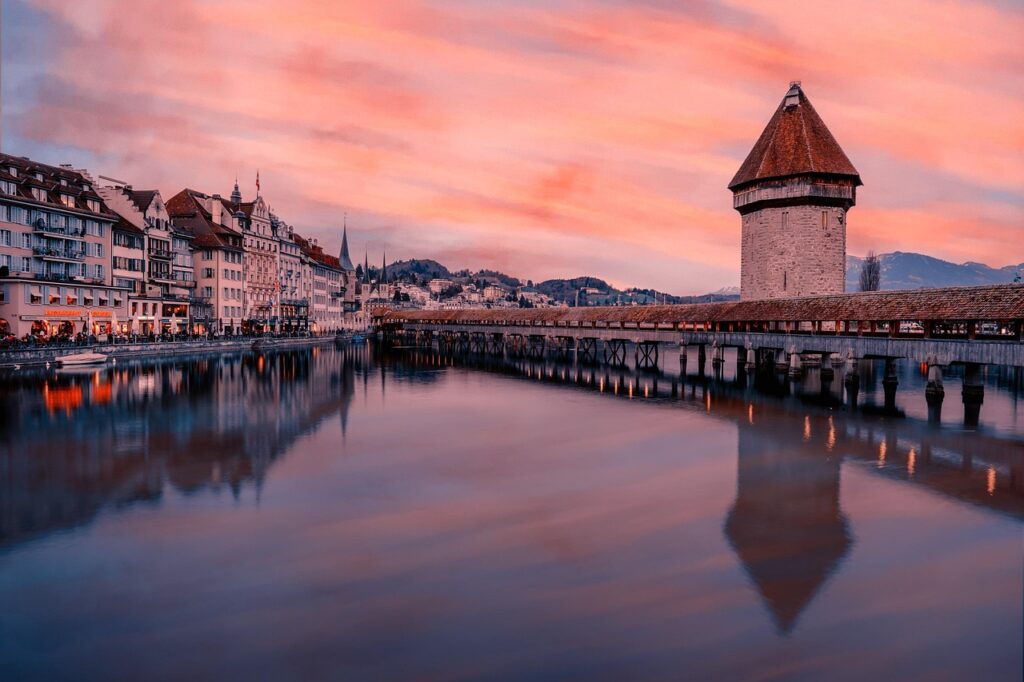
4. Tell a story rather than collect postcards
Don't put too much pressure on yourself either: the most powerful photos aren't necessarily the most “perfect.” Overly polished shots end up looking alike, while spontaneous snapshots—a shared glance, a bustling street, an unexpected detail—capture the soul of a journey. By aiming to convey emotion rather than reproduce an “ideal” image, you create photos that have meaning, that evoke an atmosphere, a lived moment, an encounter. It's these imperfections, these authentic moments, that transform a simple photo into a living memory and a personal story.
Then why not?
- Photograph the behind-the-scenes of the trip an impromptu meal, an open bag, a train journey, a busy market.
- Capture the lives of locals with respect A shared smile, a daily gesture, an authentic street scene.
- Look for the contrasts cultural, architectural, or human elements that give depth to the narrative.
- Thinking in series : rather than a single photo of a place, capture multiple details that, together, tell a story about the atmosphere.
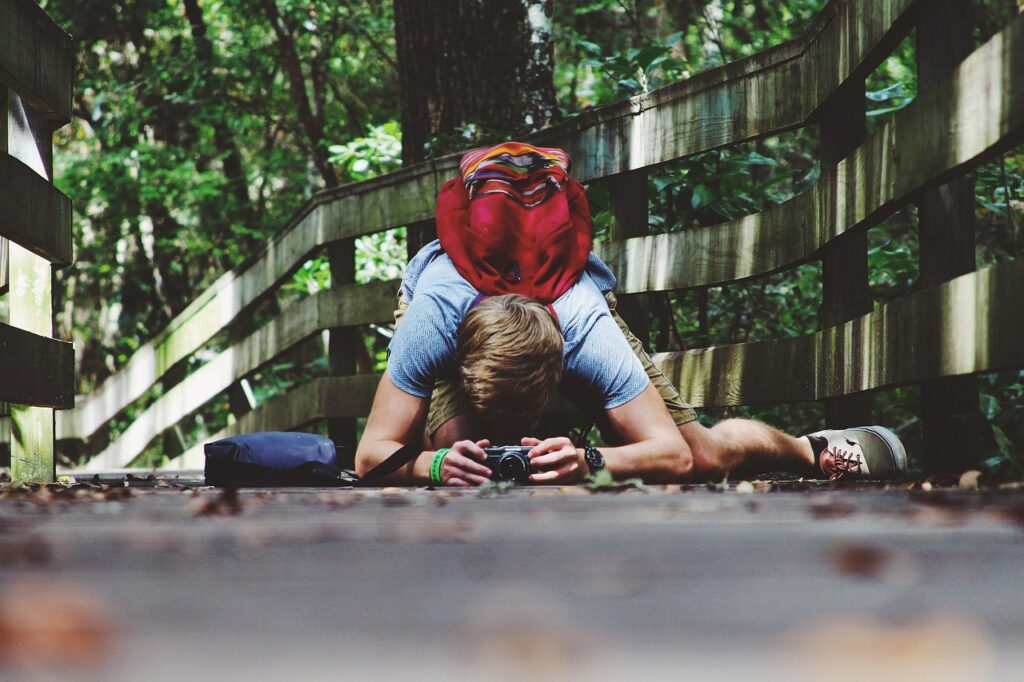
Did you know that the majority of travelers photograph at eye level, which often results in similar images? A simple change in perspective can transform a mundane scene into an exceptional photo. So, to stand out:
- Change height to take your picture.
- Move around the subject to find the best light.
- Test Reflections water stains, windows, mirrors...
5. Taking great travel photos with a smartphone
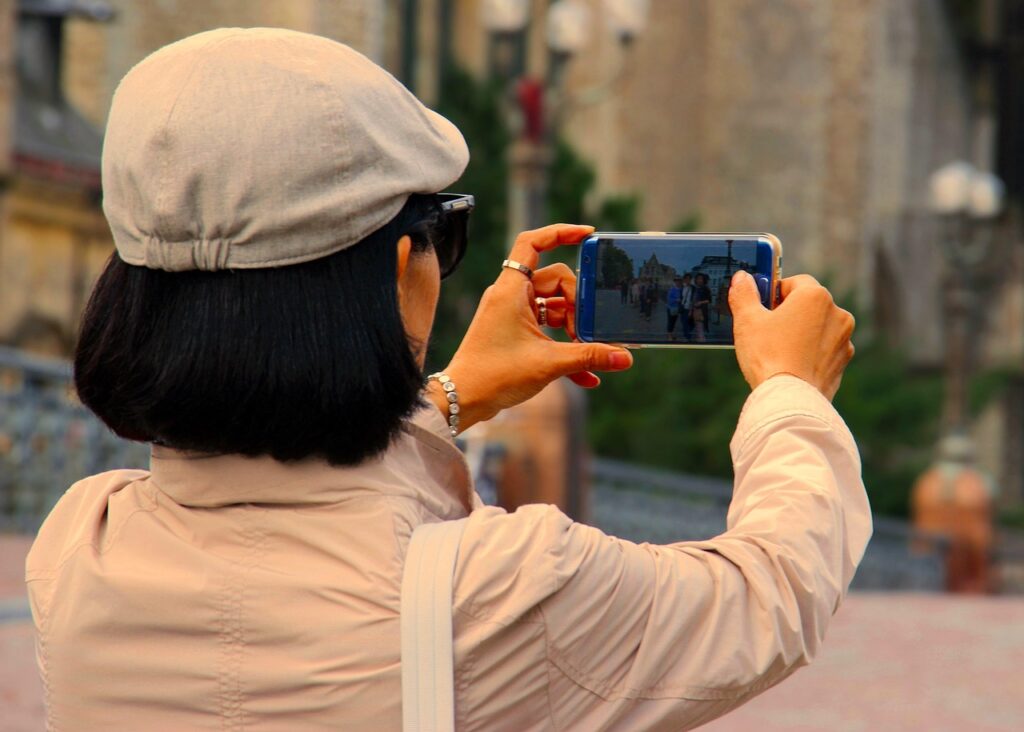
Modern smartphones are truly pocket cameras. Current sensors are often surprisingly powerful, but what really makes the difference is how you use them. Taking the time to clean the lens (a small detail, but one that can change everything), touching the screen to adjust focus, playing with exposure by sliding your finger slightly up or down… these simple gestures transform a mundane scene into a polished image. When traveling, the smartphone also excels in spontaneity: it allows you to capture fleeting light, a stolen smile, or a street atmosphere without drawing attention. By combining good framing, natural light, and a little stability—by leaning against a wall or holding the phone with both hands—you get surprisingly professional shots without bulky equipment.
Tip: Use the composition grid in settings to apply the rule of thirds.
6. Retouch your photos: enhance without distorting
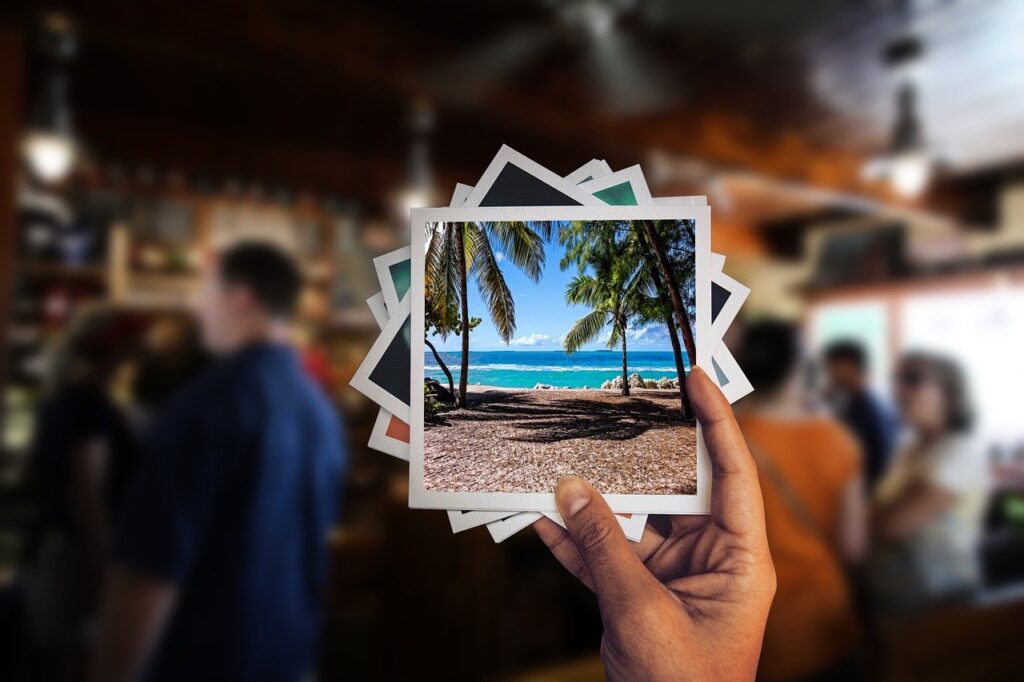
Good retouching doesn't aim to transform reality, but to enhance the atmosphere: slightly adjusting brightness to recapture the softness of a sunrise, strengthening contrasts to bring out the textures of a local market, or correcting white balance to restore the true color of turquoise water. Mobile apps like Lightroom, Snapseed, or VSCO allow quick edits on your smartphone, playing with a few essential sliders: exposure, shadows, highlights, saturation, and sharpness. The idea is to keep it subtle, cohesive, and true to the spirit of the trip.
7. Prepare your equipment before leaving
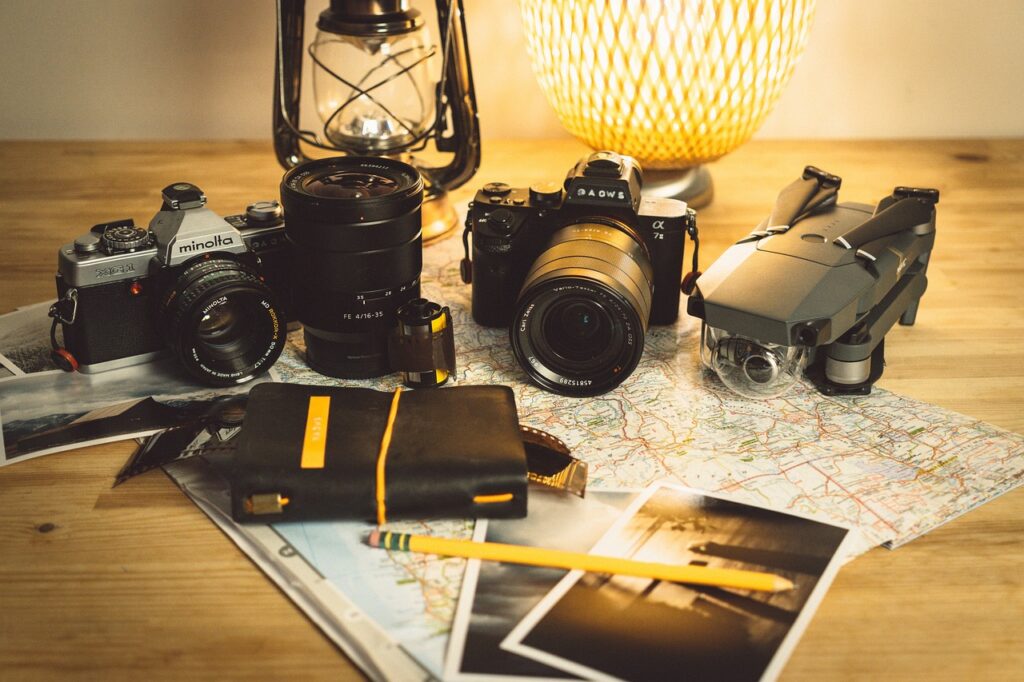
Preparing your photographic equipment before you leave is a bit like checking the oil and water levels in your engine before a long drive: essential if you want to avoid unpleasant surprises. Before each trip, check the condition of the camera body(s), clean the lenses thoroughly and make sure that the memory cards are empty and ready for use (or that the smartphone memory is not overloaded). Carry at least two fully-charged batteries - and a charger suitable for the country you're traveling in - because nothing is more frustrating than a camera that's switched off at the perfect moment. And don't forget to organize your camera bag so you have quick access to the essentials: a versatile lens, a microfiber cloth, and possibly a small travel tripod. Before taking a photo drone with you, check the rules of your destination country to avoid having it confiscated at the border. This meticulous preparation will enable you to concentrate on what's most important once you're there: enjoying and immortalizing your trip.
8. Find inspiration before departure
Seeking inspiration for your photos before a trip is already a way of starting to travel. Exploring blogs, Instagram accounts, or Pinterest allows you to discover moods, colors, and perspectives you wouldn't have thought of. Flipping through guides or watching travel videos also helps you understand how light plays on locations, which times of day are most photogenic, or which everyday scenes deserve to be captured. The idea isn't to copy, but to enrich your vision: the more you immerse yourself in images before leaving, the more you develop a sensibility that will naturally guide your photos once you're there.
To take successful travel photos, it's above all about knowing how to observe.. Technique is important, but the most crucial element is your perspective. Take the time to observe, feel, and immerse yourself in the moment. Social media tends to dictate what a “beautiful photo” is. But the images that truly matter are those that transport us back to an emotion, a scent, a sound, an encounter. So, once you've arrived at your destination, let your imagination and sensitivity run wild, and enjoy your journey with these three mantras in mind:
- Photograph what touches us, even if it's not “Instagrammable.”.
- Keep some moments just for yourself, without devices.
- Let technology serve your vision, not the other way around.
Have a good trip and take great photos!