Travel is often thought of as simply choosing a destination and clicking «book». In reality, every holiday is based on a much more sophisticated mechanism, where a number of players with very different roles shape the final experience. Behind the seductive offers and impeccable brochures, two professions structure the world of travel: tour operators, who design the trips, and agencies, who put them into the hands of the public. To understand this distinction is to lift the veil on a sector that functions as a veritable production chain... but of which we usually only see the shop window.

Just a few clicks and you're off to a sunny beach, a cruise ship or a bustling capital. Yet behind this apparent simplicity lies a complex organization, in which several players play complementary roles. Among them, two pillars structure the world of travel: travel agencies and tour operators. Often confused, they have neither the same missions nor the same responsibilities.
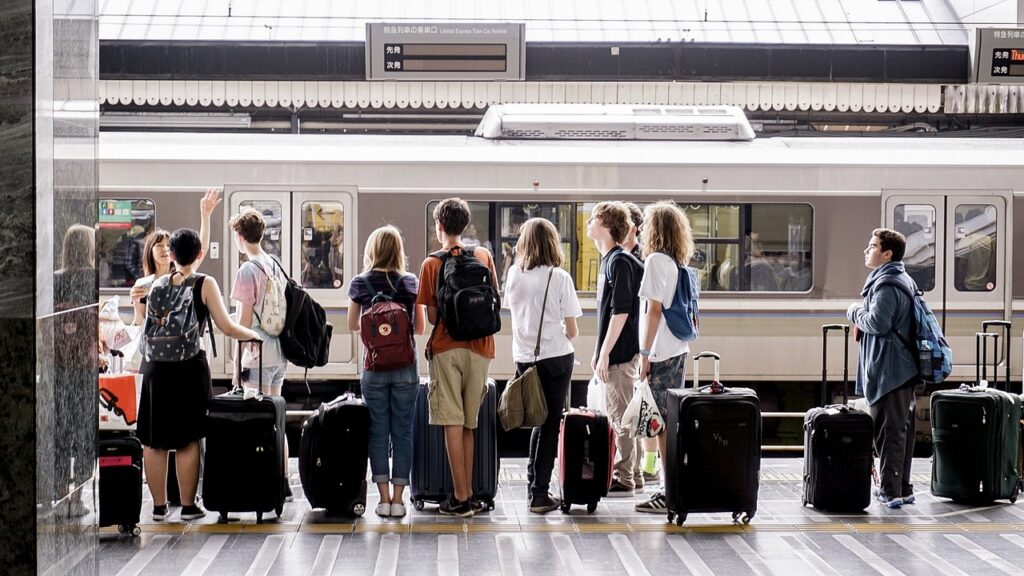
The tour operator: the travel architect
The tour operator - often called TO in the jargon - is the designer of travel. His job is to :
- select flights, hotels, transfers, activities ;
- negotiate prices with airlines and hoteliers; ;
- assemble these elements to create a package (or package) ready for sale ;
- guarantee the availability of services by blocking room or plane seat quotas.
In other words, the tour operator builds a product from start to finish. It is the tour operator who decides that a «7-night stay in Rhodes in a 4-star hotel, flight included» will be offered at such and such a price, on such and such a date, with such and such conditions.
It acts a bit like a conductor He coordinates all the partners to ensure that the trip is coherent, attractive and feasible.
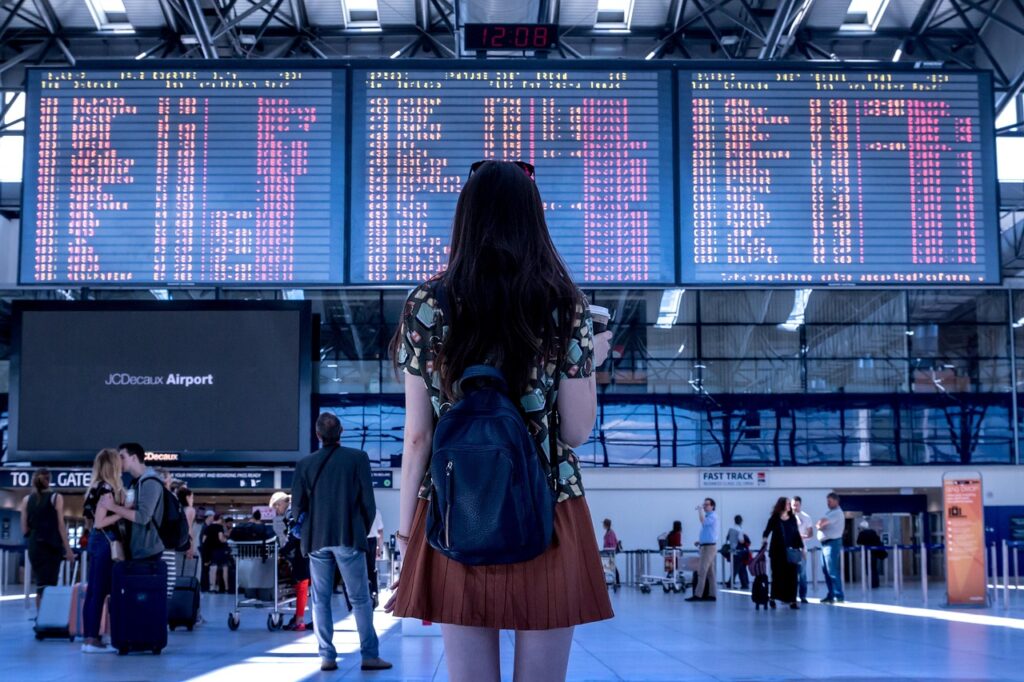
The travel agency: intermediary and advisor
The travel agency, on the other hand, is the point of contact with the public. Its role is multifaceted:
- advisor according to the customer's wishes, budget and constraints; ;
- sell Tours that are suitable for the customer but have been designed and created by tour operators; ;
- book à la carte services (flights, hotels, car rentals, insurance, excursions, etc.); ;
- support the traveler before, during and sometimes after his stay.
The agency does not create the product: it markets. It can be «physical», with advisors behind a counter, or entirely online.
Its major advantage lies in the proximity and in her expertise: she helps to decipher offers, avoid pitfalls, compare options and secure the booking. In the event of a problem during the customer's trip, she remains the contact person who will try to find solutions.
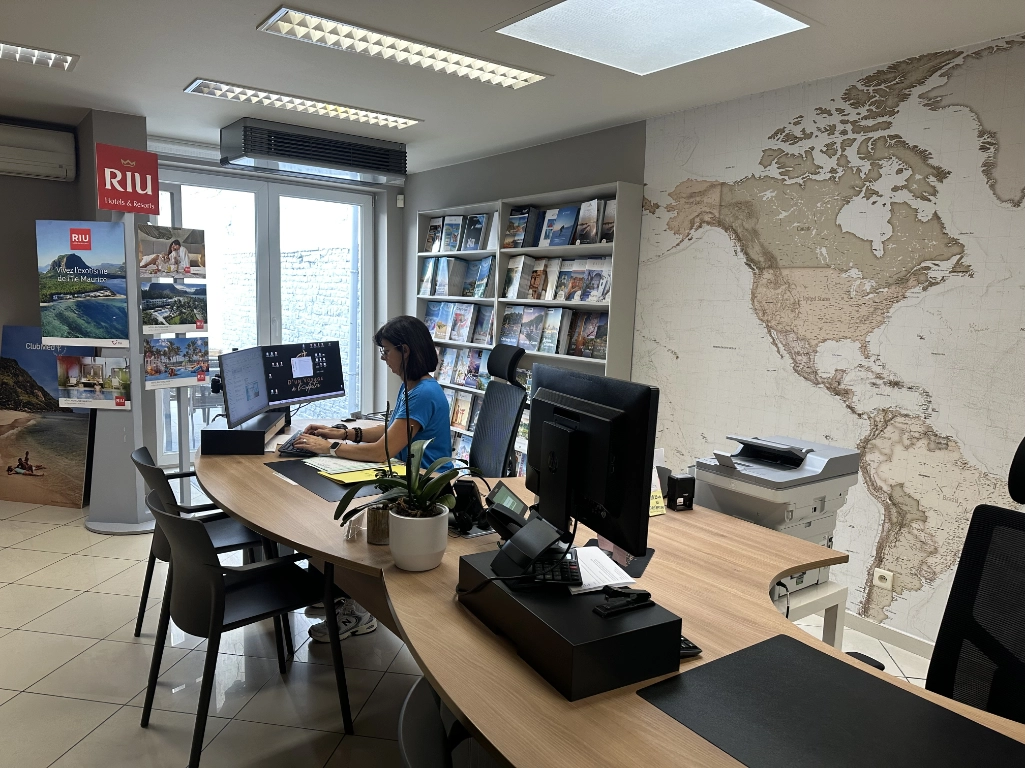
So who should you choose to book your trip?
Ultimately, it all depends on the situation and the traveler's travel style.
Looking for a turnkey holiday?
If a tour operator is often behind the offer, you'll go through an agency to buy it. The travel agency will help you choose the right package from among those offered by different TOs.
You want a tailor-made trip
The agency becomes your best ally: it assembles individual services, sometimes relying on several tour operators or its own partners.
You prefer price
Tour operators, thanks to their volume negotiations, often offer attractive rates. But once again, it's the agencies who have access to all the promotions and can compare several TOs to find the best option.
If you prefer an accompanied trip
The agency remains your main contact. In the event of a problem, it manages relations with the tour operator and service providers.
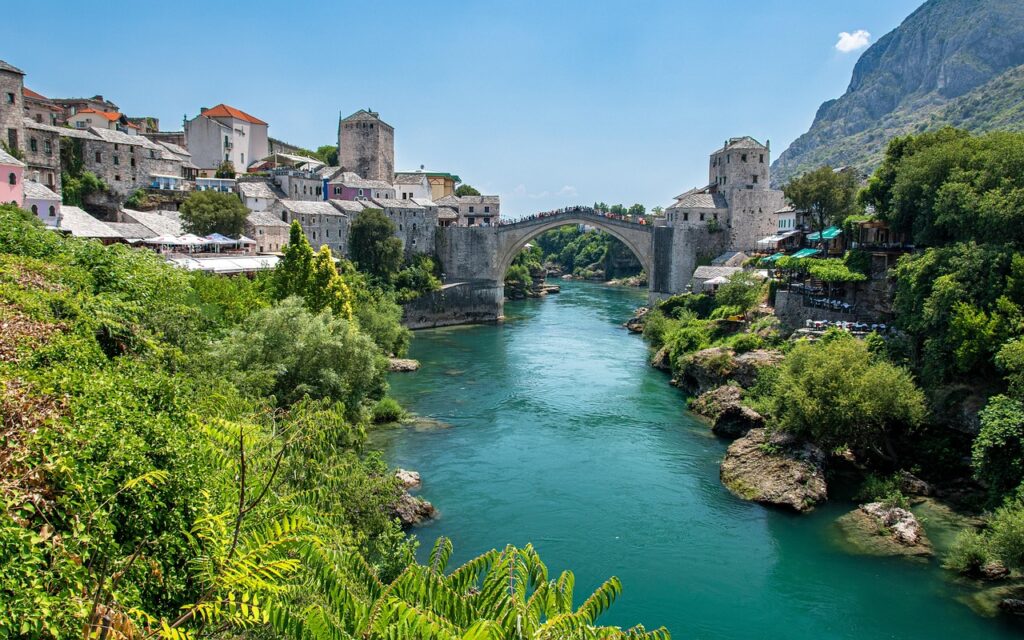
As you can see, the world of travel operates like a chain, with each player having its own speciality. The tour operator designs. Travel agency advises and sells. Destination airlines, hotels and service providers perform.
This division of roles enables travelers to benefit from a wide range of secure offers tailored to their needs. And while we often only see the last stage - booking - there's a whole world of negotiation, logistics and expertise behind every plane ticket and every stay in the sun.