
Taking a vacation is often necessary to relax and take your mind off things. But it's not always that simple, because the devil is often in the detail. A successful trip starts with careful planning and preparation. And knowing how to deal with the inevitable little hiccups. Here are 10 tips to help make your stay a succession of unforgettable memories.



1. The right place at the right time
That beautiful white sandy beach you've been dreaming of won't be so attractive in the rain. Check with your travel agent or on the web to find out when is the ideal time to travel to your chosen destination.
Remember: off-season doesn't mean bad weather. And best of all, prices are going down!
2. Work on your ideal suitcase
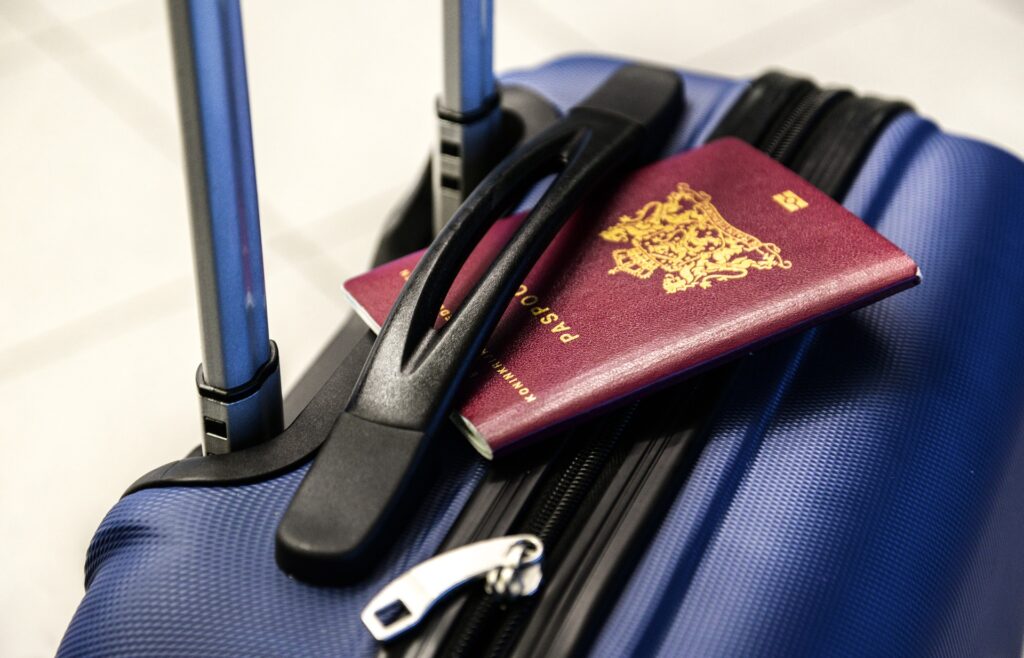
To make sure you don't forget anything when you leave, it's best to plan ahead. Make a list of everything you'll need. In our experience, we often forget the same little items that are difficult to replace at our destination, such as our cell phone charger.
Remember: if you're flying, pack any bottles containing more than 100ml of liquid, as well as any sharp objects.

3. My health capital when I travel
Well in advance of your departure, check with your doctor which vaccinations or preventive treatments are recommended. A good first-aid kit can save your vacation. It should contain your usual treatments, as well as remedies for nausea, diarrhoea, sunburn, insect bites, muscular problems... For mosquito repellent, choose a local product, which is often better adapted.
Don't forget to take out a good insurance policy to cover local treatment and possible repatriation.
4. Shifting travel
Another concern: jet lag. From sleep and digestive problems to fatigue and headaches, jet lag is most noticeable if the flight spans at least 3 or 4 time zones. On average, it takes one day per hour of jet lag to recover. Here's how to mitigate its effects: get as much sleep as possible during the flight, eat lightly and drink plenty of fluids (avoiding alcohol). At your destination, adopt the local sleeping and eating habits from the outset.
Think about it: jet lag is always harder to bear when traveling east than west.

5. Under the sun...
The sun, a friend who also wants to harm you. Reapply sunscreen regularly, even after swimming. Don't be fooled: even on overcast days, you need to protect yourself, as clouds can let 80% of UV rays through. To prevent sunstroke, wear a hat or cap.
Think about it: expose yourself gradually to the sun, avoiding (at least for the first few days) the 11 a.m. to 4 p.m. period.
6. My plane doesn't leave?
My plane is late or, worse, won't take off. You have rights. From 2 hours of delay for a short-haul flight within the EU, the airline must provide you with something to eat. This rule applies after 3 hours for flights between 1,500 and 3,500 km, and after 4 hours for flights outside the EU over 3,500 km. If your flight is delayed for more than 3 hours, you are entitled to compensation. Please note: in the event of force majeure (weather conditions, war, etc.), the airline is not obliged to compensate you. It will simply have to refund your ticket.
Remember: if a dispute arises between you and the airline, appeal to the supervisory body in your country: REGULATION EC-261/2004 (europa.eu).


7. Overbooking?
Are there more passengers than seats on the plane? You're the victim of overbooking. Here too, there are rules to protect you: if you agree to postpone your flight, for example, negotiate a free onward flight. If, on the other hand, you have no choice, the airline must provide you with assistance (drinks, meals, overnight accommodation) while you wait for your next departure, and you are entitled to compensation. There's also nothing to stop you taking further action if you can prove that you've suffered damage as a result of the overbooking, such as missing an important appointment.
Remember: in the event of overbooking, don't just stand by, speak out and demand compensation.
8. Where's my suitcase?
The baggage conveyor belt stops before your suitcase arrives. What should I do? You need to make a written declaration of lost baggage (suitcase, hand luggage or extra baggage) to the appropriate department at the airport. They must give you a copy of this document (the same applies to damaged baggage). The airline will then provide you with a repair kit and offer to reimburse you for any items you may need to purchase. Don't go overboard, though - it's out of the question for you to redo your wardrobe.
Remember: if you're transporting valuable goods, you can make a «special declaration of value» at check-in, and pay for additional insurance.

9. Your papers, please
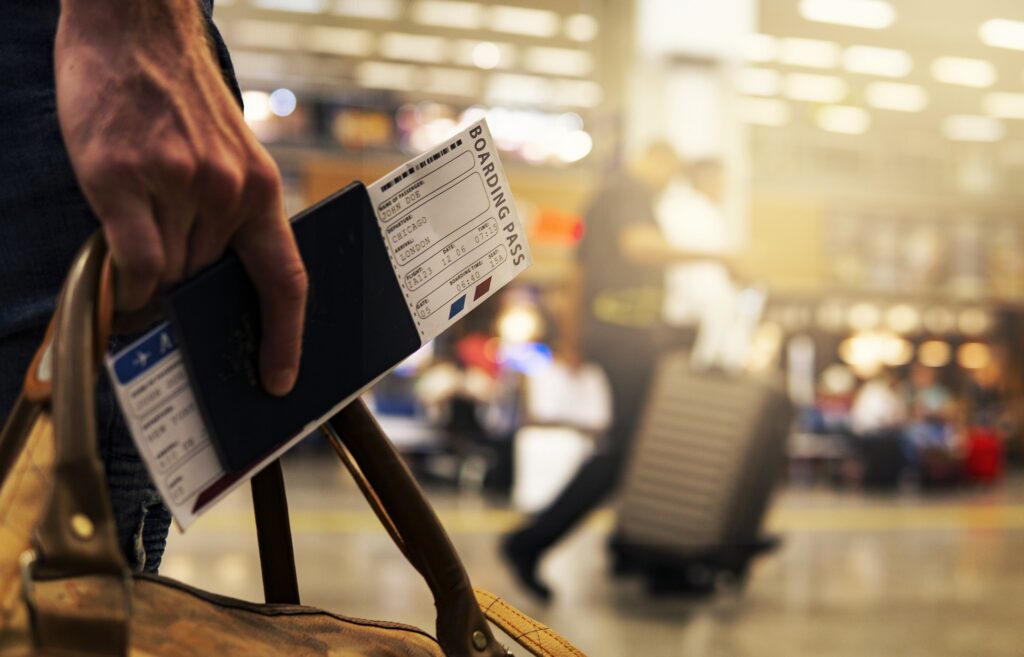
In EU countries (and a few others), an identity card is sufficient. Most other countries require a passport, often valid for 6 months beyond the date of your return. Bear in mind that obtaining a passport takes time. As far as visas are concerned, check with your travel agency, which sometimes takes care of the process.
Think about it: make a photocopy of your documents and store it in a different place from the original, or leave it with a travel partner. Very useful in the event of loss or theft of the original!
10. The right guide
A good guide is essential, especially if you know nothing about your destination. They come in all styles and sizes. Many also include city maps. This helps you locate your hotel and the main sites to visit. And don't forget to supplement and cross-check your information by consulting travel forums and blogs on the Internet.
Think about it: a guide doesn't improve with time. The older it is, the more outdated some of the information will be.
