Saturated with color, steeped in music and tradition, Bolivia is paradoxically one of the least-known countries on the South American continent. And that's what makes it so charming. Report in 7 stages in an incredible, adventurous and, frankly, touching destination.
By Eric Vancleynenbreugel
Santa Cruz, tropical Bolivia
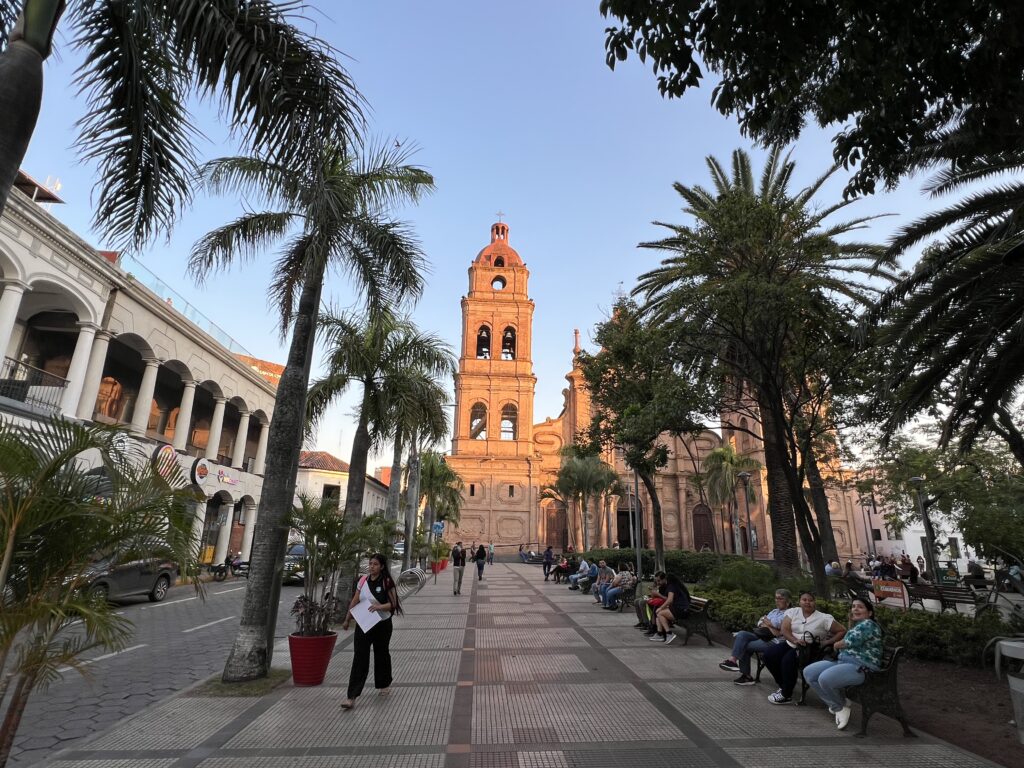
Direct Air Europa flight from Madrid and first stopover in Santa Cruz. As soon as you step off the plane, you're caught by a breath of warm air. We're in the tropical part of the country: a warm, humid climate all year round, lush vegetation and, above all, a very relaxed atmosphere. caliente. Until the ’70s, Santa Cruz was a small, unimportant town. Since then, it has undergone unprecedented growth, to the point of becoming the country's largest city. Its urban planning is reminiscent of North America, with streets laid out in rows and districts stretching out in concentric rings. It's unique in Bolivia. Its historic heart, a vestige of the colonial era, is concentrated around the Plaza 24 de Septiembre, bordered by the cathedral. There are many points of interest nearby. Like the Parque regional Lomas de Arena, A few kilometers from the city, where immense dunes of white sand rise up from the banks of the river. And in the folds, lagoons for swimming and kitesurfing. This is also the region where Che Guevara initiated a Bolivian revolution and died. Fervent admirers can follow the «Ruta del Che», which begins here.
Tarija: grapes and chunchos‘
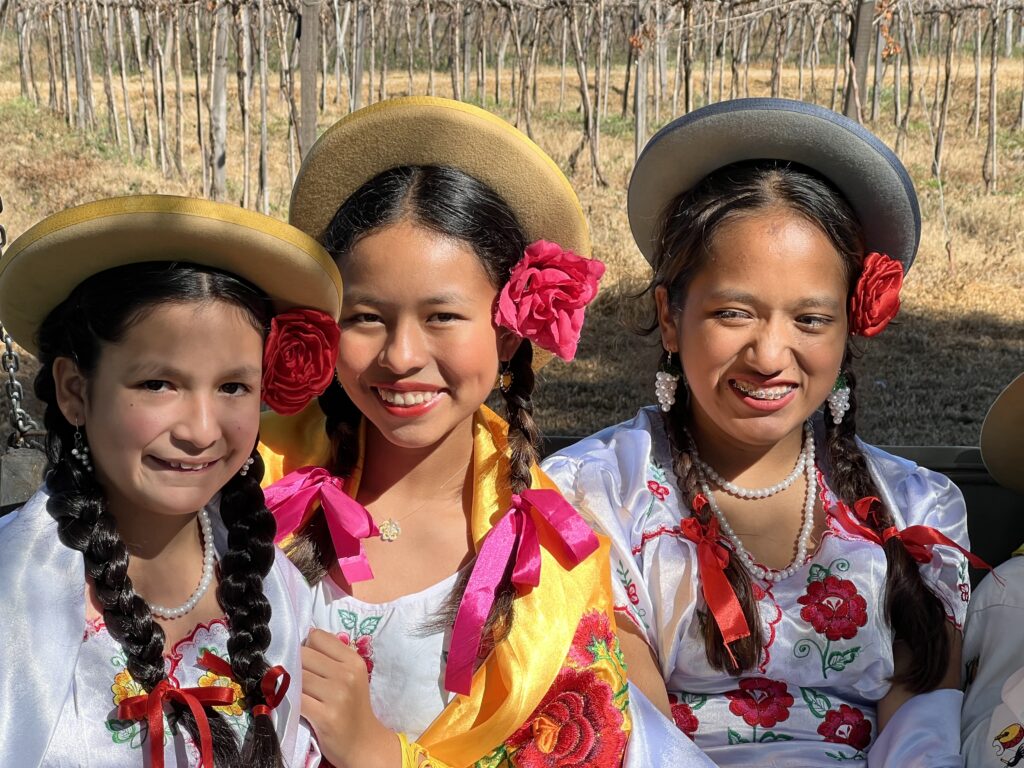
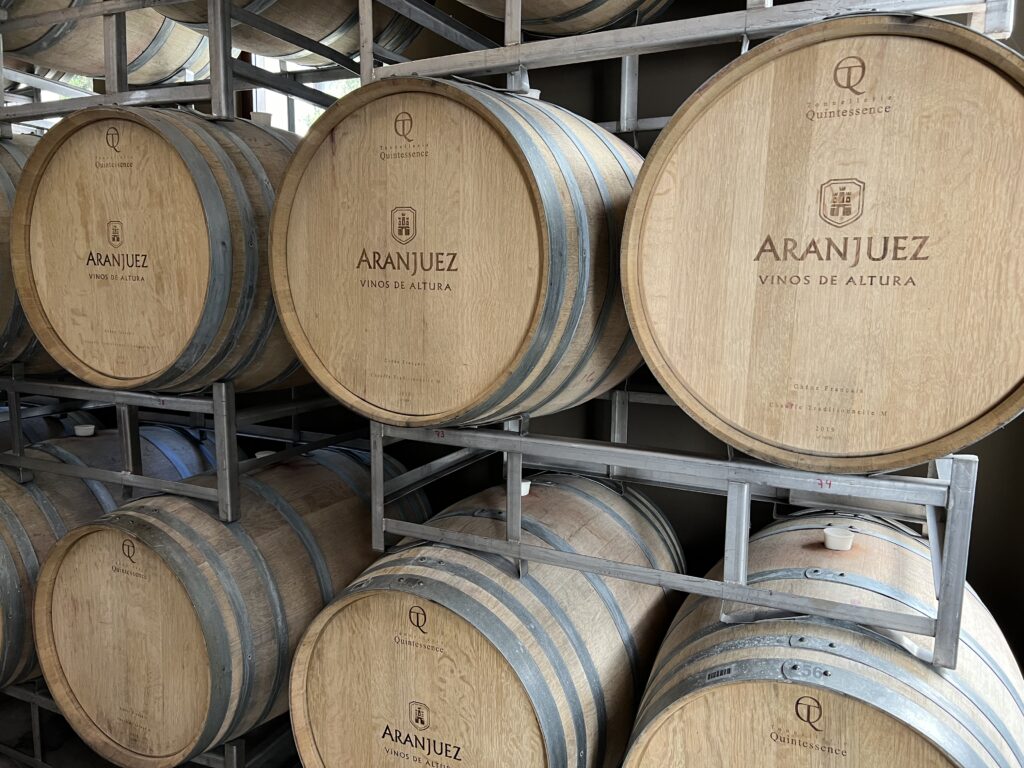
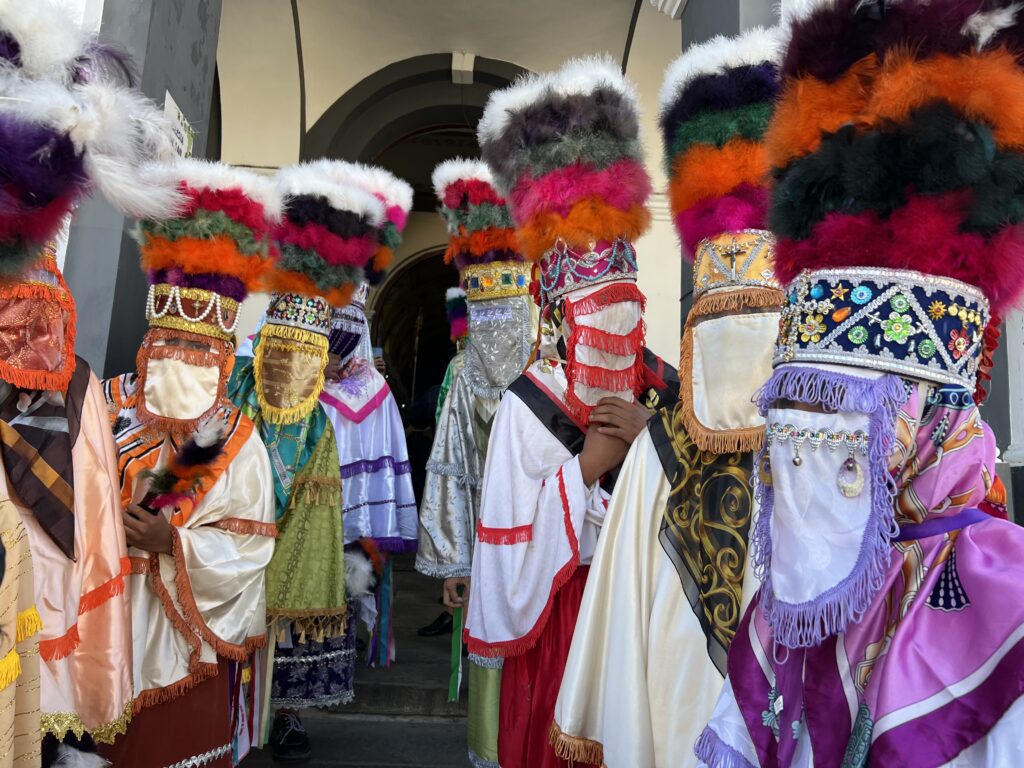
Another little-known nugget in the far south of Bolivia. We're already in the foothills of the Andes, and the altimeter reads 1870 meters. The bright, mild climate is reminiscent of Andalusia - in fact, it's the Guadalquivir that waters Tarija. This has led to the planting of orange orchards and, above all, vines. And yes, another surprise: Bolivia produces some very fine wines, some of them highly prized in international competitions. The star grape: tannat. The same variety that has made Uruguayan wine so successful. Except that here, the grapes are particularly rich in tannins and full-bodied aromas. Thanks to the altitude and intense exposure to ultraviolet rays. Bolivian grapes are also used to produce another specialty that crowns every feast and meal: singani, a brandy distilled several times. Bolivians drink it neat or in cocktails. A tour of the bodegas is a must. Then there's Carnival and the Feast of Saint Roch, patron saint of Tarija. At the beginning of September, the town is gripped by fever. Thousands of ‘chunchos’ in ultra-shimmering costumes, masks and feathered headdresses (furiously reminiscent of Tintin's Picaros) parade through the streets to the rhythm of strange traditional instruments. An intense, colorful festival that lasts for several weeks.
La Paz, the city that rises and falls
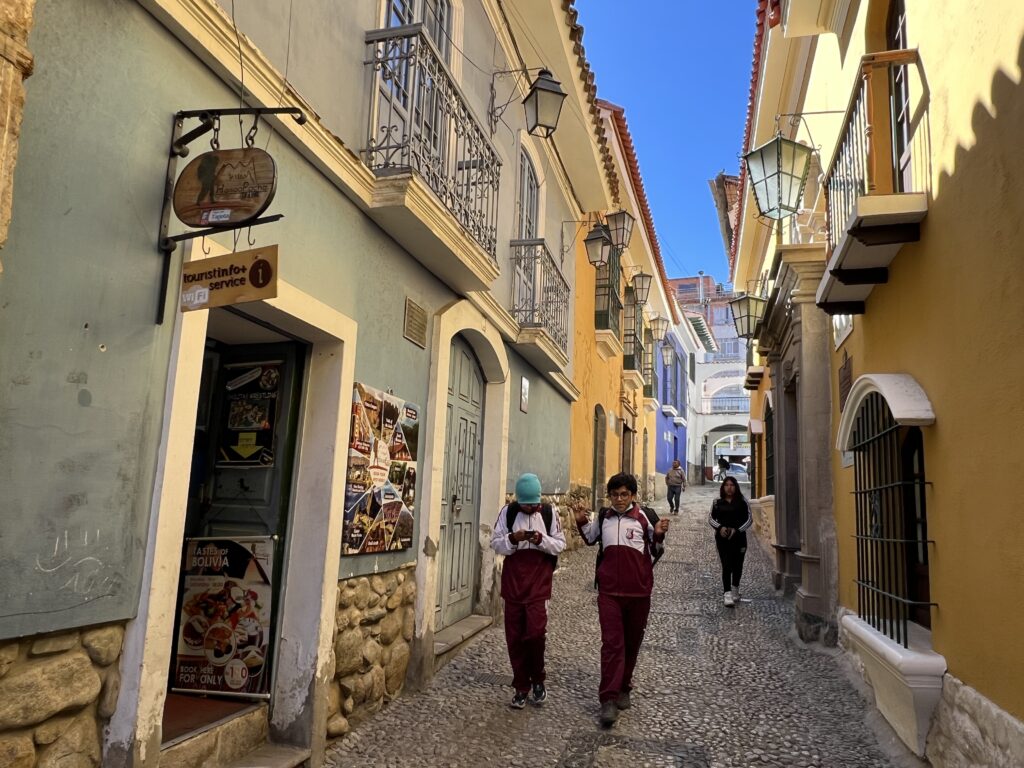
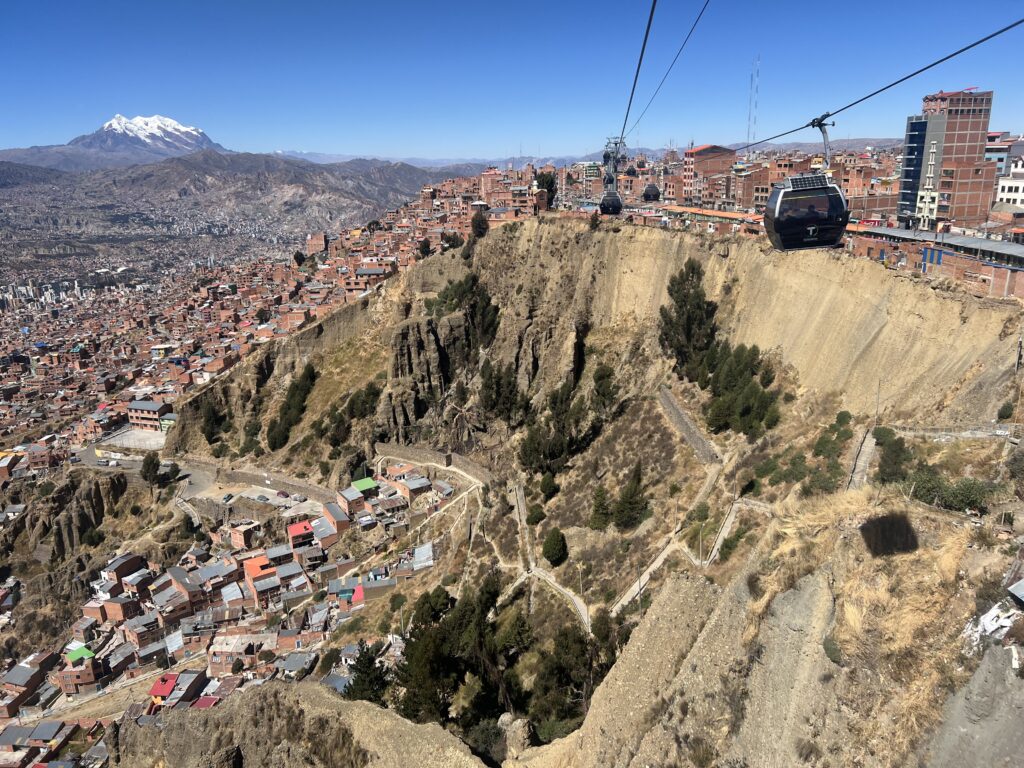
A high, sometimes trying stopover where the body often finds itself out of breath. But is it possible to remain indifferent to a city like La Paz? Who could have imagined that a megalopolis could be established in such conditions? Some neighborhoods are over 4,000 meters above sea level, and the streets are sometimes on breathtaking slopes. La Paz is a surreal city where, in the end, nothing follows the classic codes: the richer districts are down below, while the poorer areas are up on the heights, where the air is scarcer and colder. As the metro is impossible to dig in this terrain, an ingenious network of cable car lines now flies over the city, spanning peaks and ravines. The blue line - 15 km long - is even the longest on the planet. There's no town-planning, and small brick houses are going up everywhere, even on land that seems impossible to build on. La Paz rises and falls continuously - think about this when planning walking tours -, ringed on all sides by hundreds of peaks, sometimes covered in glaciers, often topping 6,000 metres. Don't miss the old colonial quarter, of which only one or two streets with colorful houses remain. And Plaza Murillo, where the guard marks the entrance to the presidential palace. Take a good look at the clock in the middle, which has been inverted since 2014 as a sign of emancipation from the yoke of the countries of the North. And let's not forget the markets, an inexhaustible source of colourful scenes. And especially the witches' market, where potions, magic stones and other objects with mysterious properties are on sale.
El Alto, closer to the sky
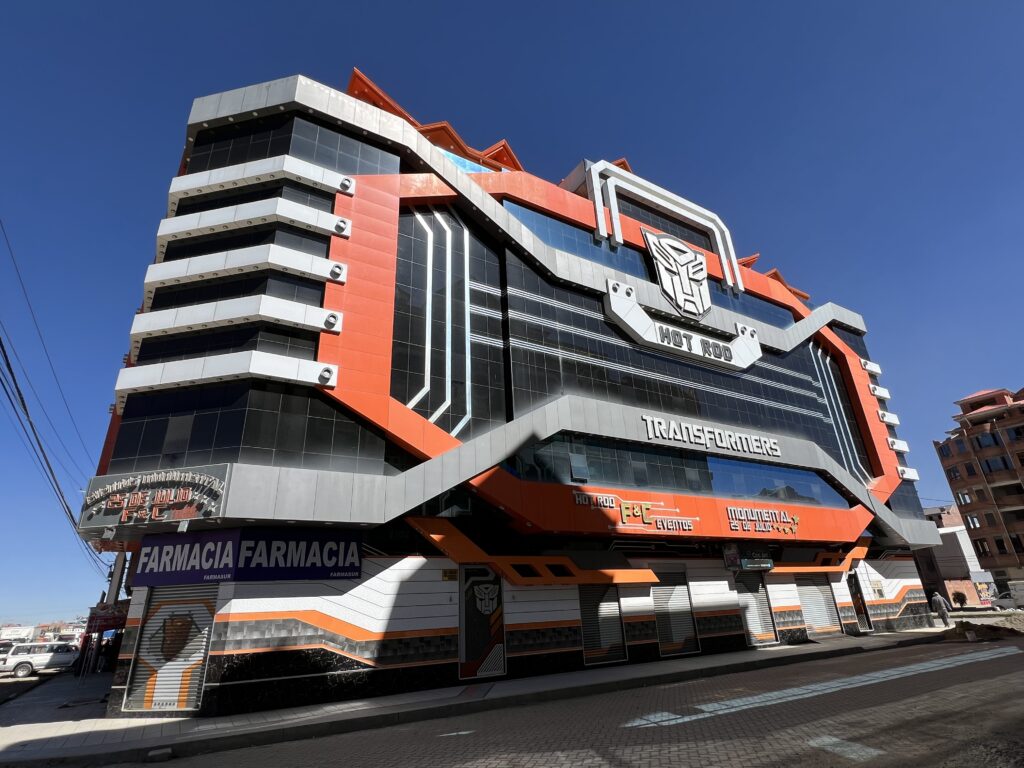
Higher and higher! Can you believe it? Above La Paz, its twin El Alto rises to a height of... 4,200 metres. Originally, the poor and unemployed miners who immigrated to La Paz came to settle on the icy, windswept heights where land was cheaper. Little by little, a new city was born, the highest on the planet, populated mainly by Aymaras. El Alto has only been in existence for 38 years, but is already the country's second-largest metropolis. A jumble of red brick buildings, with exuberantly styled, even kitsch, houses popping up here and there. They are the brainchild of Freddy Mamani, an Aymara architect who has developed a style he calls ‘neo-Andin’. He likes to draw inspiration from native culture to design multi-storey buildings called «cholets», a contraction of «Bolivian chalets». On the ground floor, a shop, above it rental apartments and, on the top floor, the owner's home. Fascinating to discover on a guided tour of Mamani's most notable works.
Salar d'Uyuni, when white becomes color
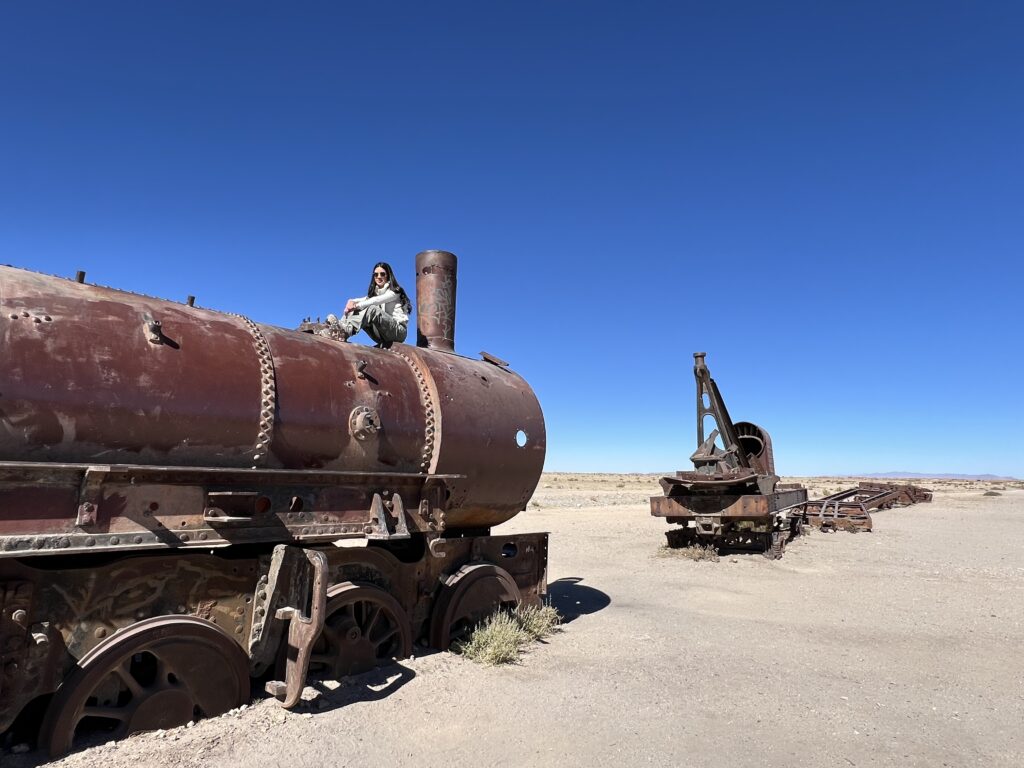
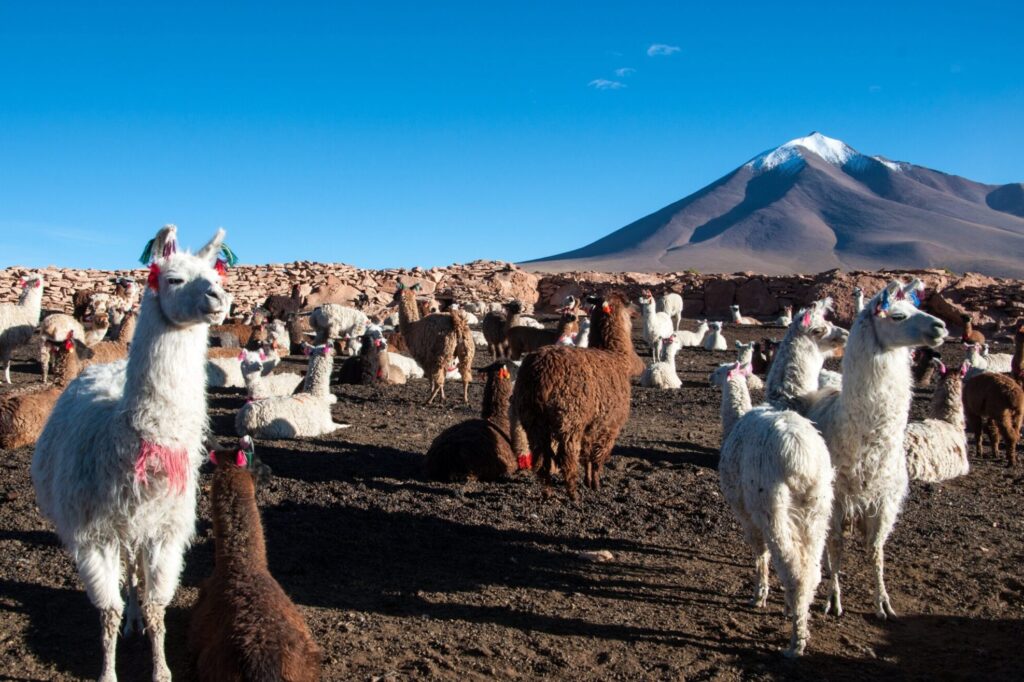
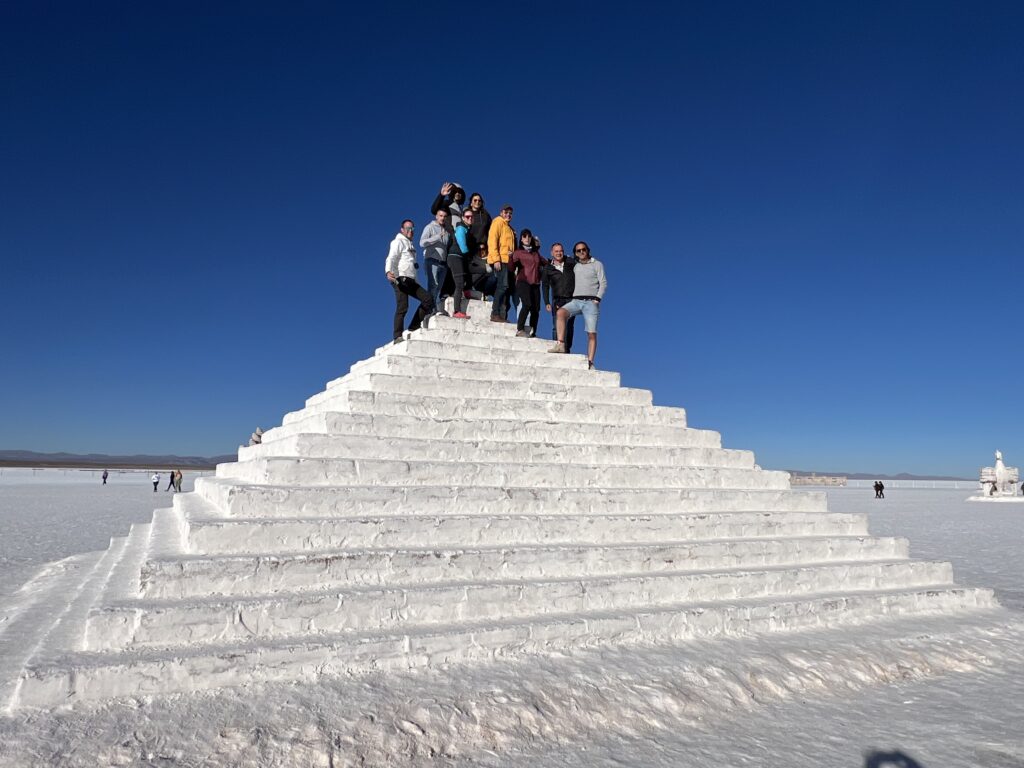
Bolivia is a land of extremes and records. One of these is the largest salt desert on the planet, perched at an altitude of 3,700 metres. It extends over 10,000 km2 in the south-western tip of the country. The salt accumulated in some places over 120 metres thick bears witness to the presence of a prehistoric sea that dried up 15,000 years ago. Here, it's a sight to behold: perfectly flat, this immaculate expanse reflects an almost omnipresent high altitude sun. Pure white, azure skies, perfect contrasts for almost surreal photos. Trails invisible to the uninitiated take you from stage to stage over the salt crust, right into the heart of the salar. With stops that are sometimes historic - an incredible train cemetery - sometimes geological - hot springs and bubbling pools - or more playful - giant salt sculptures - including this stairway to paradise, which offers a sublime view of the milky immensity at its summit. Or this small island emerging from the salt, where giant cacti grow. The few lodgings to be found here were built from the most accessible of materials: blocks of salt! At sunset, time stands still as the salar slowly turns orange, then takes on all shades of mauve and blue as night falls. Then, in a matter of minutes, the temperature plunges to zero.
The road of death... by mountain bike
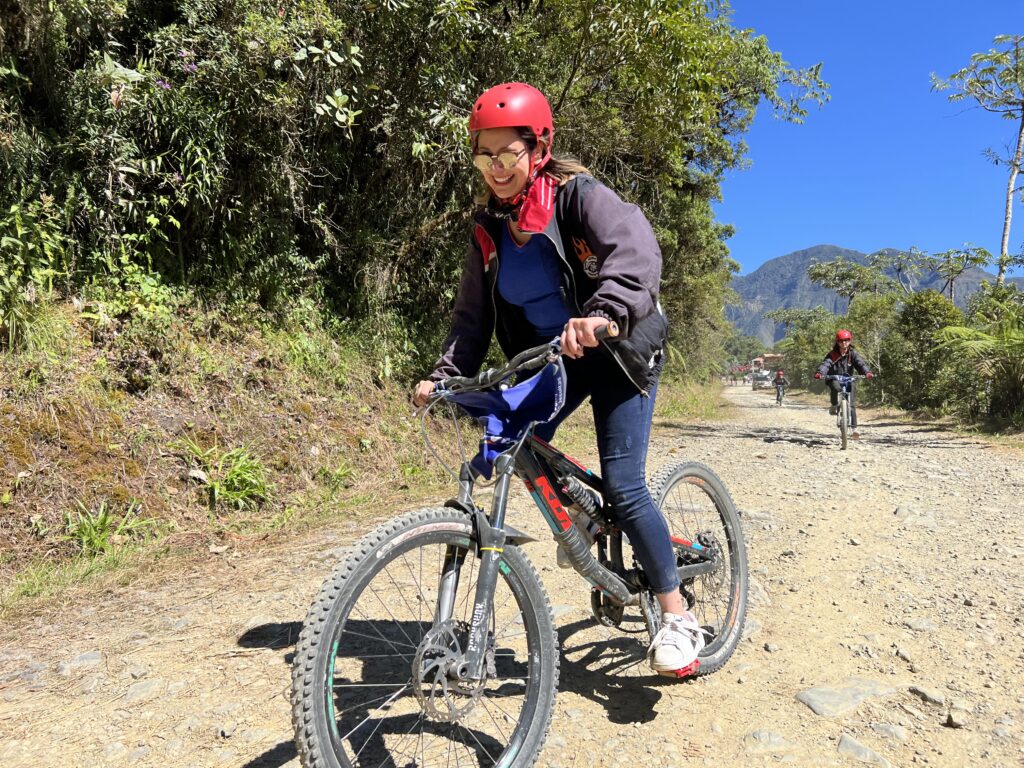
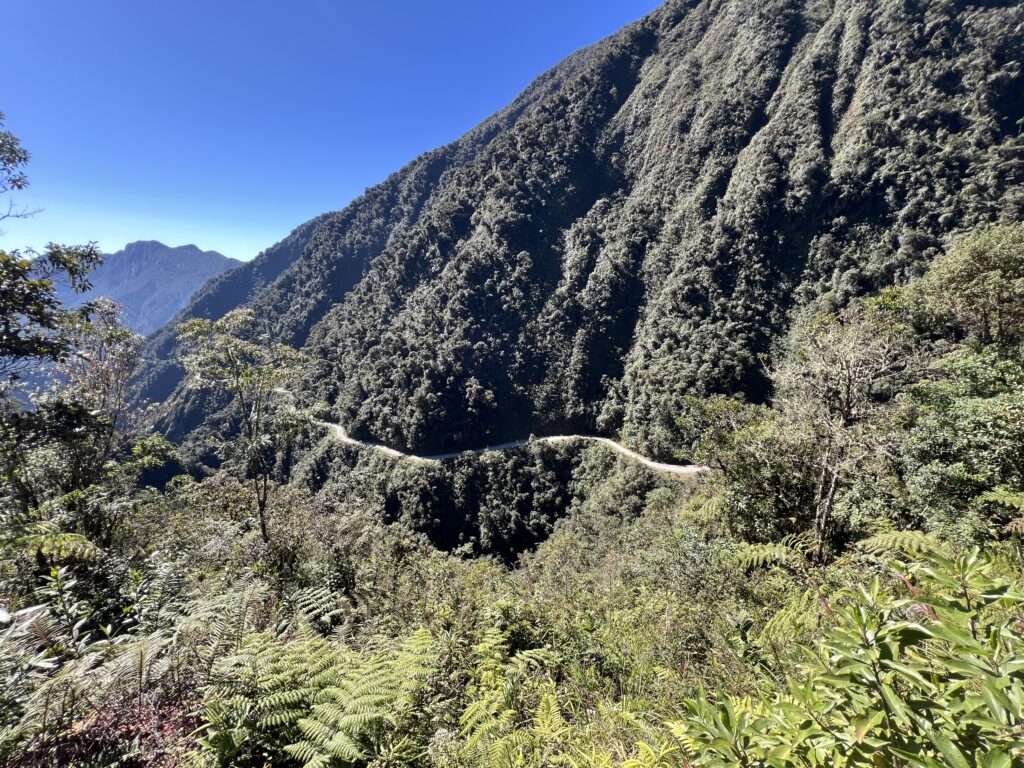
Originally, this dirt road was the only link between La Paz and Coroico and the center of the country. Cohorts of trucks used it, and many of the crossings were not wide enough to accommodate two vehicles abreast. Crossing the road meant frequent falls into the ravine. Between 200 and 300 people perished every year on the ‘Camino de la Muerte’, dubbed the most dangerous road in the world. A new paved route was opened a few years ago on the other side of the valley, leaving the road of death to bicycles and a few vehicles serving nearby communities. A mountain bike descent is a mind-boggling experience: the route starts on the icy heights, at 4800 metres above sea level, on asphalt roads, so you can get used to your bike and the altitude. Twenty kilometers later, we finally hit the real dirt track, with our fingers almost permanently on the brakes. This is where the difficulties arise: ruts, pebbles and small rocks, steep slopes that you have to manage every second. As we lose altitude, the temperature warms up and we suddenly enter the rainforest. In some places, waterfalls tumble down the road, making for ultra-slippery passages. As well as feeling comfortable on a mountain bike, you have to be constantly aware of your movements and master your speed. In the end, you'll have an extraordinary day, surrounded by breathtaking scenery. Another must: choose a serious agency that provides protective gear (helmet, gloves, jacket, pants, knee pads, etc.) and assistance (guide with first-aid equipment, broom wagon for those who tire or throw in the towel along the way).
The mysteries of Tiwanaku
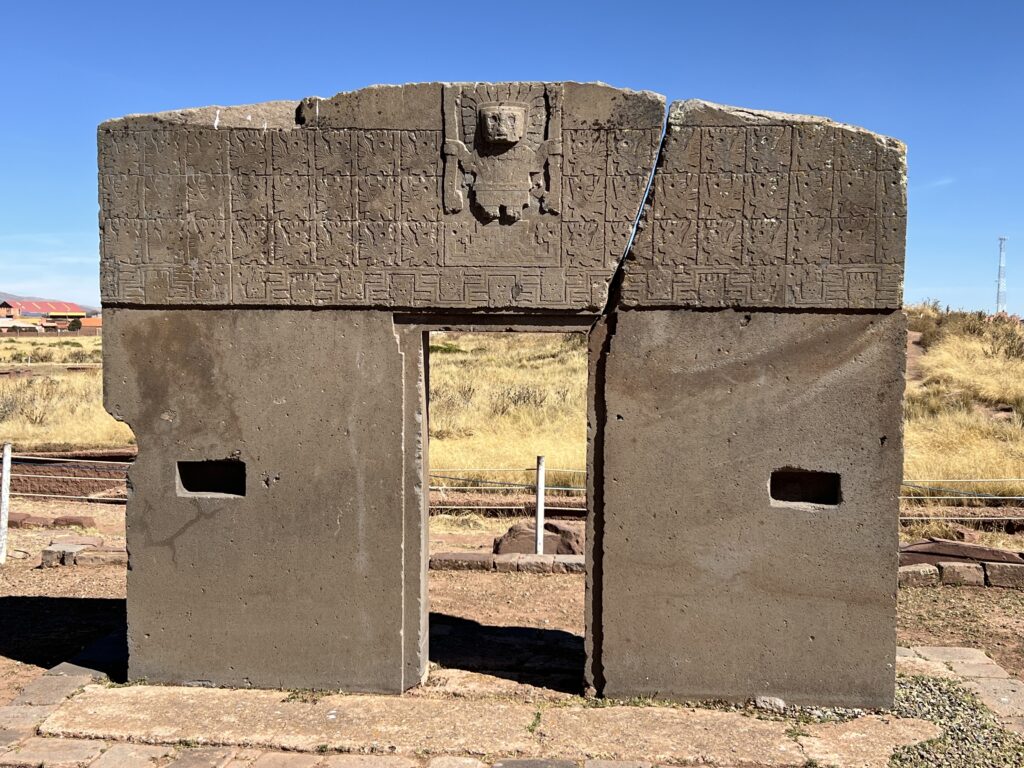
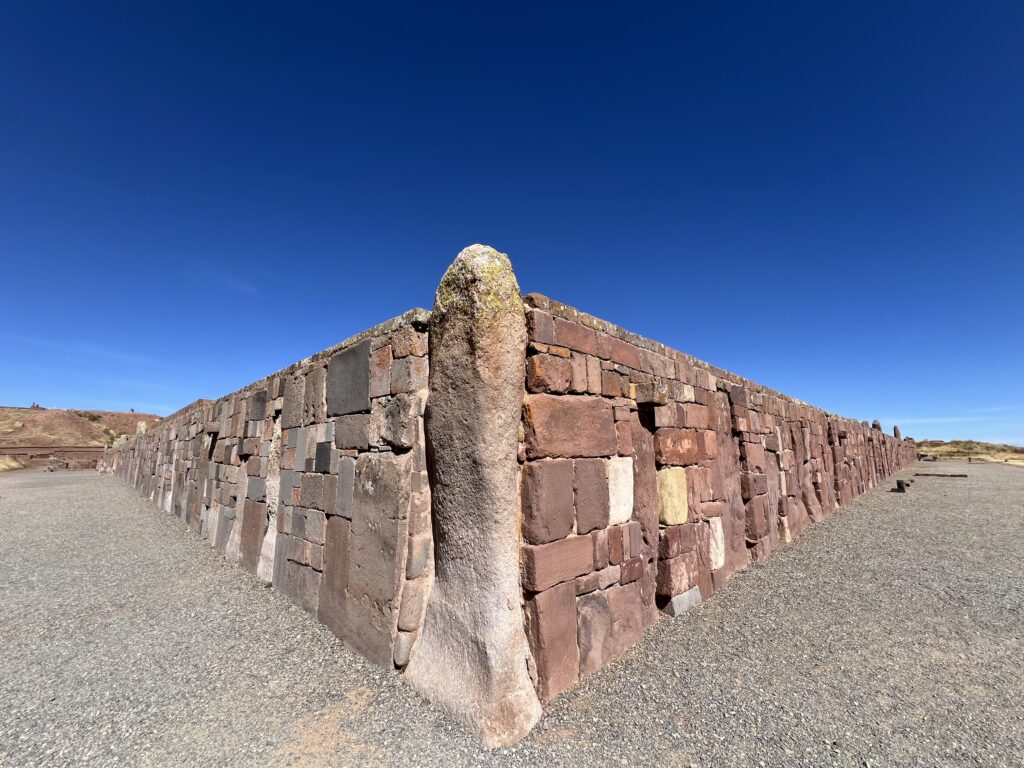
Heading due west this time, 70 km from La Paz, towards Tiwanaku. The archaeological site of this city, which was once a religious sanctuary, lies on the altiplano, not far from the mythical Lake Titicaca, in the middle of nowhere. Today's Aymaras are descended from this Tiwanaku civilization, the oldest in Bolivia, but about which little is actually known. It reached its apogee between 8e and on the 12the centuries, just before the emergence of Inca power. Only the site reveals more about them and their techniques. They knew how to cut stone like no one else, with perfect right angles. And how to transport gigantic blocks weighing over 100 tonnes without the aid of the wheel, which they didn't know. They devised an ingenious piping system. The Sun Gate, carved from a single block and featuring reliefs depicting hornmen, is just as impressive. This monument is featured in the Tintin album «Temple of the Sun». Next door, the Ponce monolith, with its folded arms, is reminiscent of Polynesian statues. The semi-subterranean temple, with its dozens of stone masks, takes us into yet another universe. And let's not forget the Andesite lava pyramid, partly buried and still being excavated.
Carnet de voyage :
Aerial Air Europa operates daily Dreamliner flights to Bolivia (Viru Viru de Santa Cruz airport) from various European capitals, with a stopover in Madrid. www.aireuropa.com.
On site Sudamerica Tours, the Belgian specialist in travel on the South American continent, offers a wide range of excellent accompanied and individual tours. The TO knows the continent and Bolivia inside out, and is also an expert in à la carte stays. www.sudamericatours.be.
Time difference -7h in winter and -6h in summer.
Formalities For EU citizens, passport valid 6 months after date of return. No vaccination required.