
A new Polish nugget now with direct links to Brussels South airport. Still little known, even to Poles, Łódź has become, in the space of a few years and with the help of phenomenal renovations, a fun and exciting destination.
By Eric Vancleynenbreugel
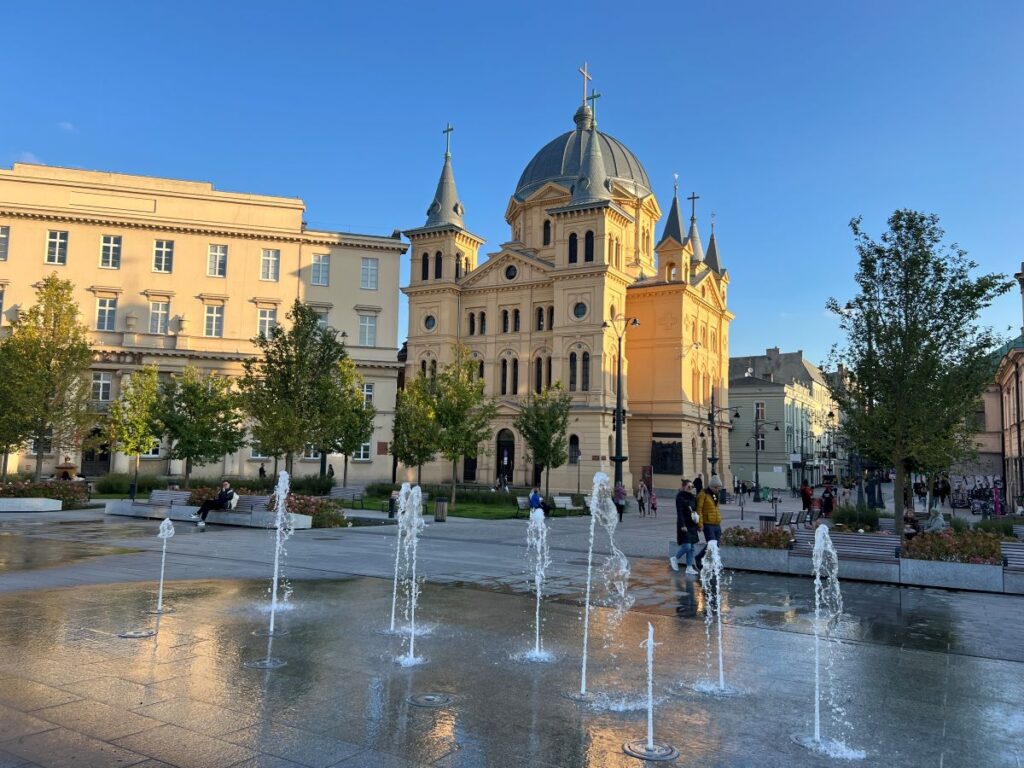
Poland may still be suffering from some of the prejudices of the past. And what can we say about the average Polish city? Dark, uninspiring, sad, dilapidated, industrial, polluted... Łódź (pronounced woudj) was in the minds of most people, even Poles, the archetypal black and gloomy city devoted entirely to heavy industry.
Manchester from Poland
While over the past 30 years, many of these cities have benefited from superb renovations, Łódź had lagged behind. But in recent years, there were rumors that even here, a new wind was now blowing through the city. That chimneys no longer smoked, that every factory had been cleverly converted into cultural spaces, museums, leisure centers... And that the streets, renovated and decorated with flowers, were now inviting visitors to stroll and window-shop. If three days won't be enough to fully discover Łódź, it won't take as long to convince you of the appeal of this destination.
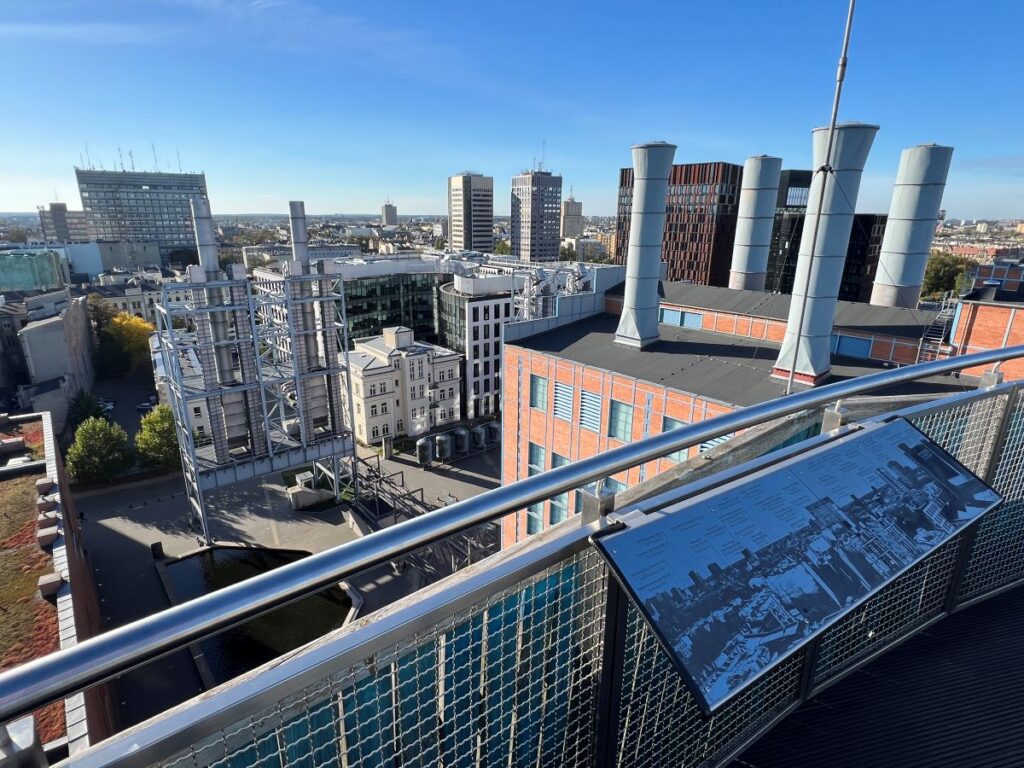
In the Middle Ages, Łódź was just a small farming and forestry village. But in the 19th century, everything changed: thanks to the boom in textile manufacturing, the town became one of Poland's largest industrial centers. It became known as the Manchester of Poland. Between 1820 and 1860, its population grew from 800 to over 500,000. At the beginning of the 20e At the same time, the city became a leading cultural center, and the birthplace of Polish cinema. This prosperity attracted a highly diverse population: Poles, Germans, Jews and Russians all lived here, contributing to the city's cultural and economic wealth. But this diversity was also a source of pain: during the Second World War, the Nazis established the Łódź ghetto, one of the largest in Poland, where over 150,000 Jews were imprisoned before being deported to the extermination camps. Today, the houses have given way to a park whose paths are reminiscent of the old ghetto streets.
After the war, the town returned to its industrial vocation and the factories were once again humming along at full speed, this time under the yoke of the Soviet Union. Every family has a direct link with at least one of these factories. Father to son and mother to daughter. At the turn of the 21ste In the 19th century, the decline began and factory after factory closed. The city soon began a gigantic process of renovation and redevelopment. These huge, unused spaces proved ideal for cultural and commercial projects, both public and private. And that's what makes it so interesting to discover this brand-new destination, which we were able to visit exclusively.
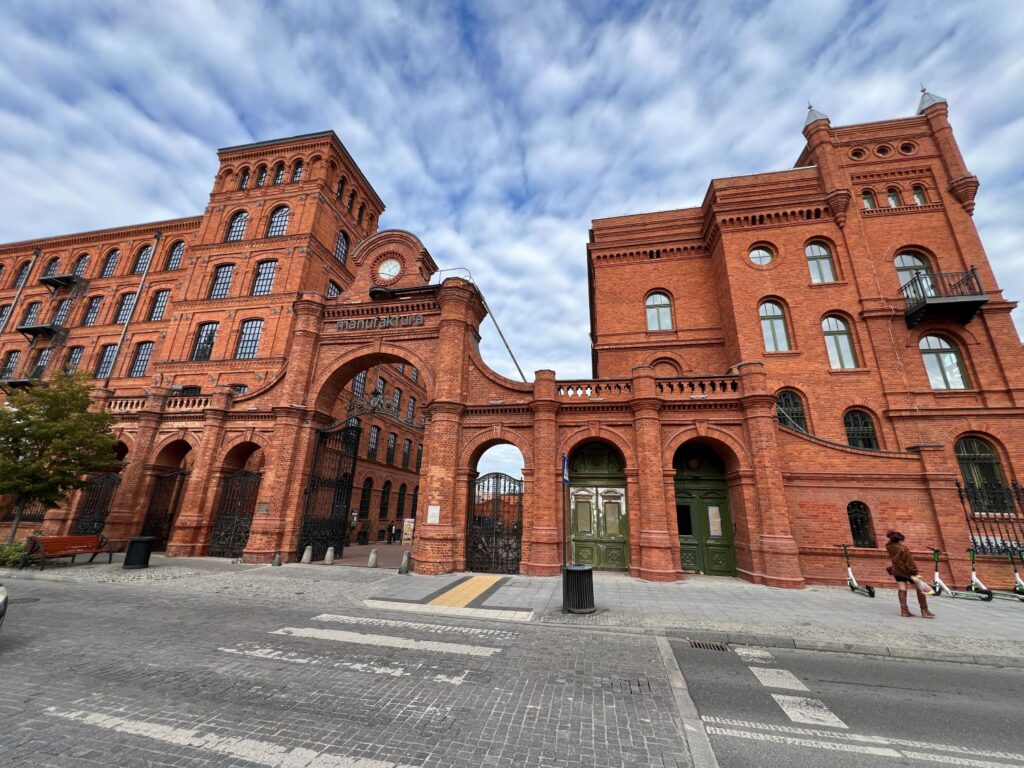
Manufaktura, a city within a city
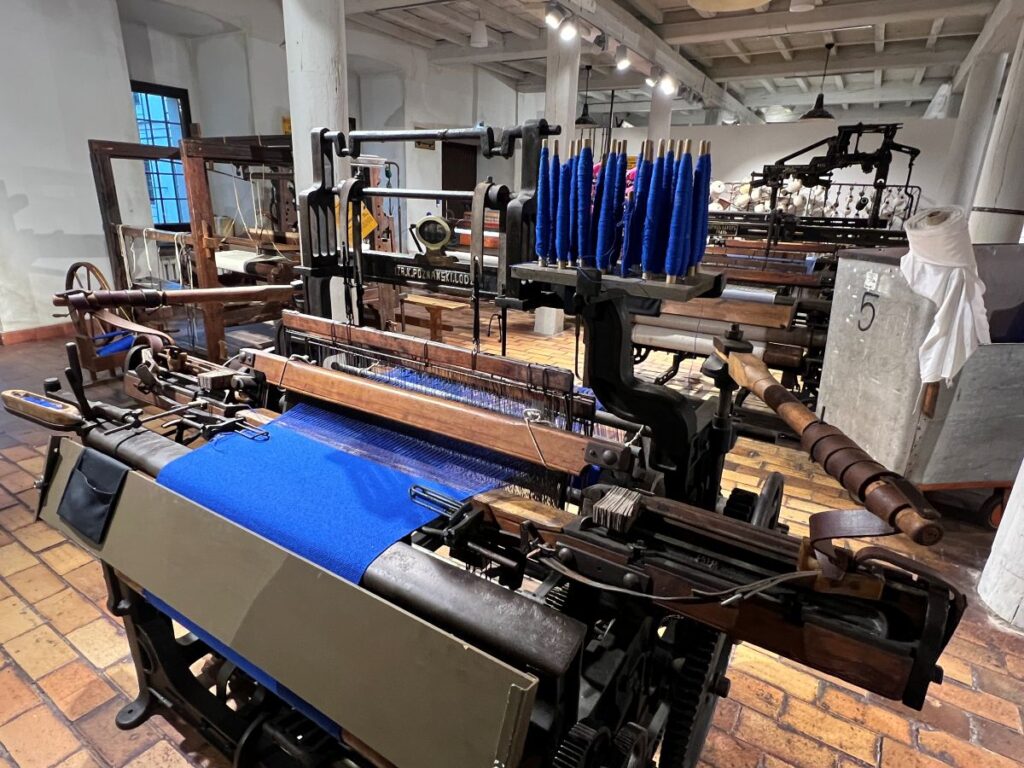
This is where the first major revitalization project will be implemented in what was once one of Łódź's largest textile mills, active until 1997. In the 19the By the end of the 19th century, the factory had become a veritable small town within the city. More than 7,000 workers were employed here. «Almost all the inhabitants have parents and/or grandparents who worked there,» explains Natalia, guiding me through the maze of rooms and buildings. «At the time, the vast complex was equipped with its own railroad line, power station and fire station. Cotton is a highly flammable material, and the slightest spark could quickly turn the factory into an inferno. Today, there's a museum of contemporary art, over 300 stores, a climbing wall, a cinema complex, a bowling alley, a hotel, etc. But the beating heart of Manufaktura is a beach in the market square in summer and an ice rink in winter. And let's not forget the Manufacture Museum which allows visitors to immerse themselves in the reality of a large-scale textile factory. The modern museography invites visitors to learn more about the process of making fabrics from cotton. And to see the old machines and looms in action, just as they were in days gone by.
Łódź's stars
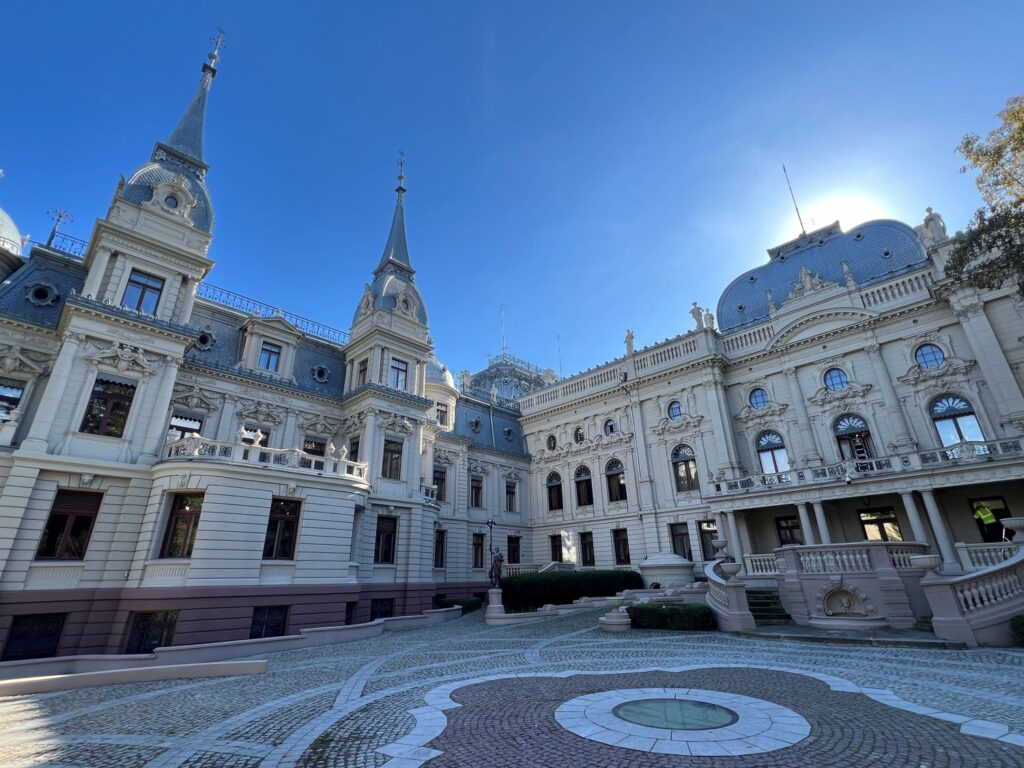
Visit Poznański Palace, located right next to Manufaktura, belonged to the factory's owner, Izrael Poznański. This was very much in the paternalistic spirit of the 19th century.e century: the boss watched over his employees and, above all, kept an eye on the smooth running of his business. The building now houses the Łódź City Museum. With several rooms laid out as small ‘cabinets’ dedicated to the city's most famous citizens, including a truly fascinating one on the famous pianist Artur Rubinstein, originally from Łódź. The palace was sold in the 1930s after the factory went bankrupt. Occupied in turn by the Nazis and then the Communists, it took on its museum function in 1975.
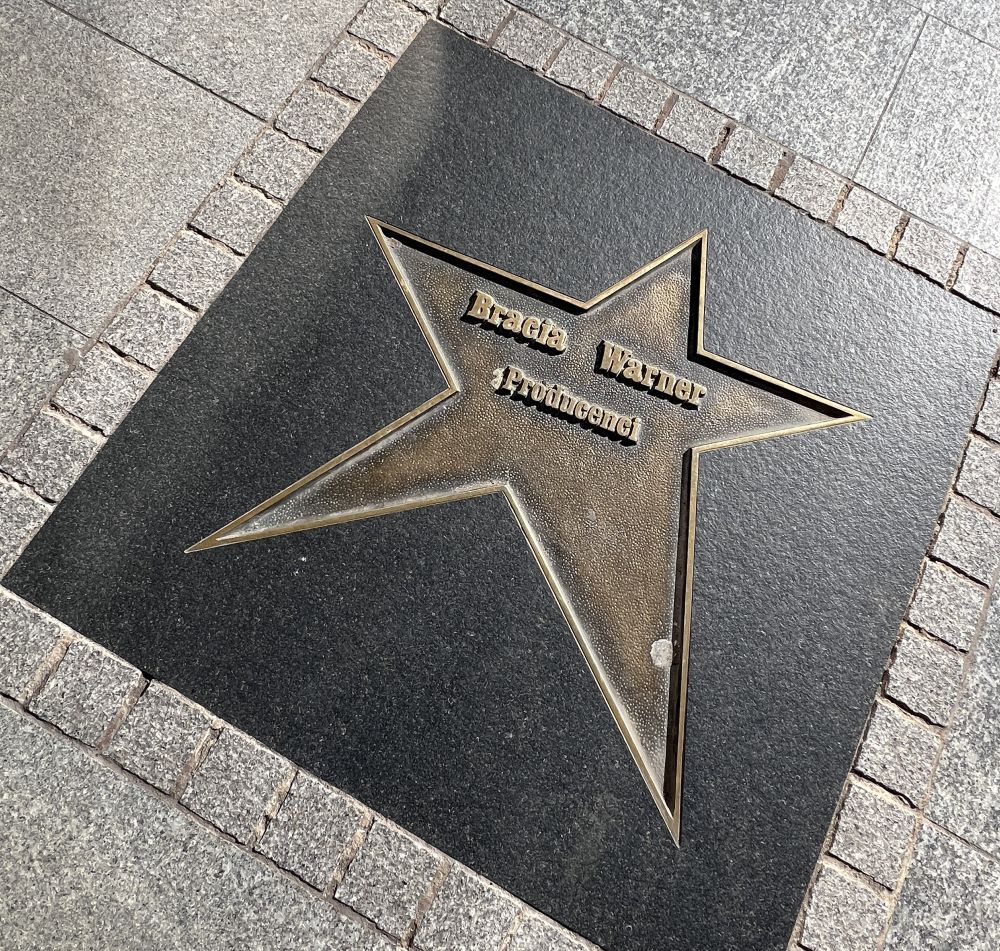
From the very beginnings of cinema history, Łódź has positioned itself as the Polish center of the 7e Art. If today it's Warsaw that attracts producers, Łódź film school ranks among the best in the world. And just in recognition of its history, Unesco has included it on the list of film cities. In any case, it's impossible to miss this facet as you stroll through the city. Starting with the Alley of Stars, which, like the Walk of Fame on Hollywood Boulevard, greets the footsteps of strollers on Piotrkowska Street: a shower of over 100 stars set into the sidewalk celebrates the biggest names. Many of them, having emigrated to the USA, are internationally renowned.
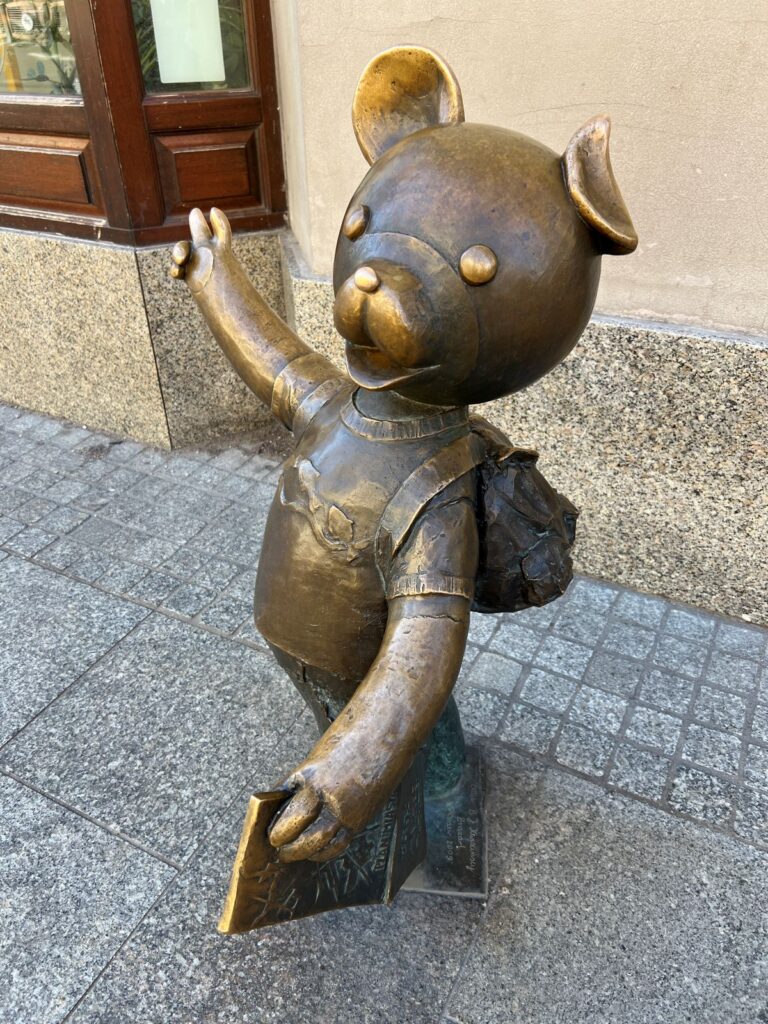
Between the wars, Łódź was by far the Polish city with the largest number of cinemas. A few have survived, the oldest (Stare Kino) being incorporated into a central hotel whose rooms are decorated in the theme of the 7e Art (Piotrkowska 120, www.cinemahotel.pl). You can follow several routes punctuated by signs and QR codes to follow in the footsteps of old cinemas over a hundred years old (some still in operation), as well as places and frescoes linked to the cinema. After the war, national cinema enjoyed a new lease of life: it was at this time that the Łódź Feature Film Production Studio (Wytwórnia Filmów Fabularnych, known as the «Dream Factory») was founded, where most of Poland's post-war films were shot, as well as the famous «Filmówka», an elite school that trained generations of outstanding directors and actors. The symbol of the school is the famous staircase leading to the cinema, where Andrzej Wajda, Roman Polański and Krzysztof Kieślowski used to sit.
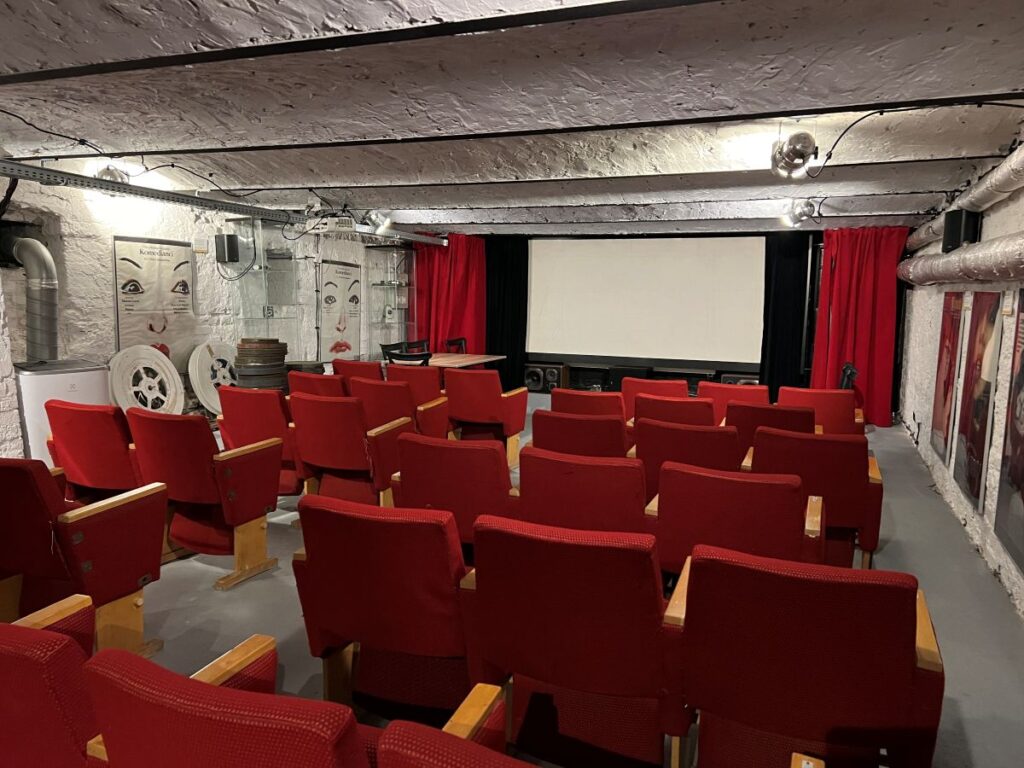
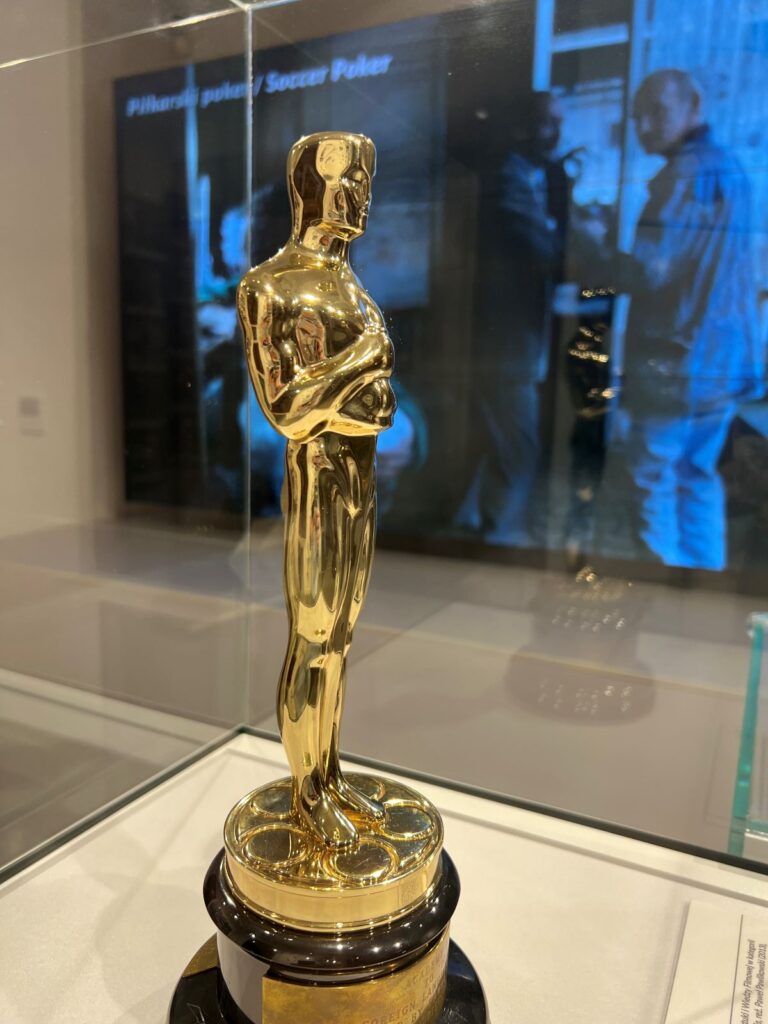
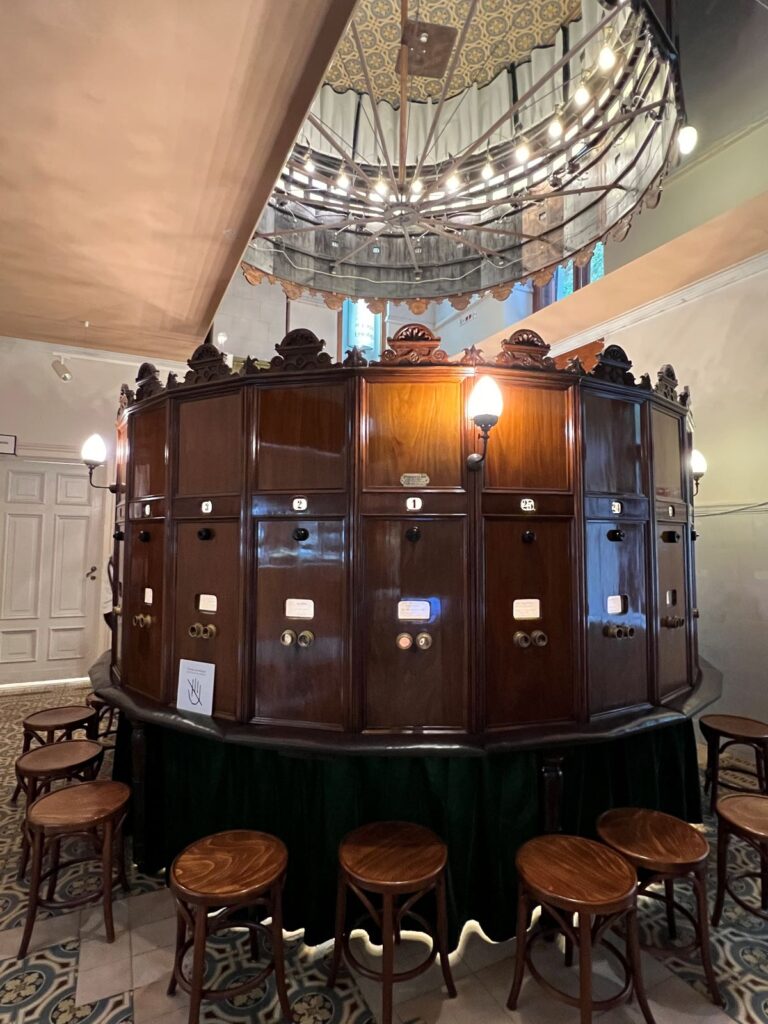
Right next to the film school is Poland's only Museum of Cinematography (Księży Młyn). Since 1976, this temple to the Seventh Art has been housed in the palace of Karol Scheibler, one of the richest men of the time in the Kingdom of Poland. In 1975, scenes from Andrzej Wajda's famous film «The Promised Land» were filmed here. The only one of its kind in Poland, this space focuses on the history of cinema. In addition to numerous film extracts shown in different rooms, there are incredible collections of cameras, projectors, film posters, a real Oscar and many other objects linked to the great Polish directors. Some objects are almost unique in the world, such as the strange Photoplasticon, a huge wooden-rimmed device invented in 1880 and occupying an entire room. It can be used to visualize 3D images.
«Hollywoudj»
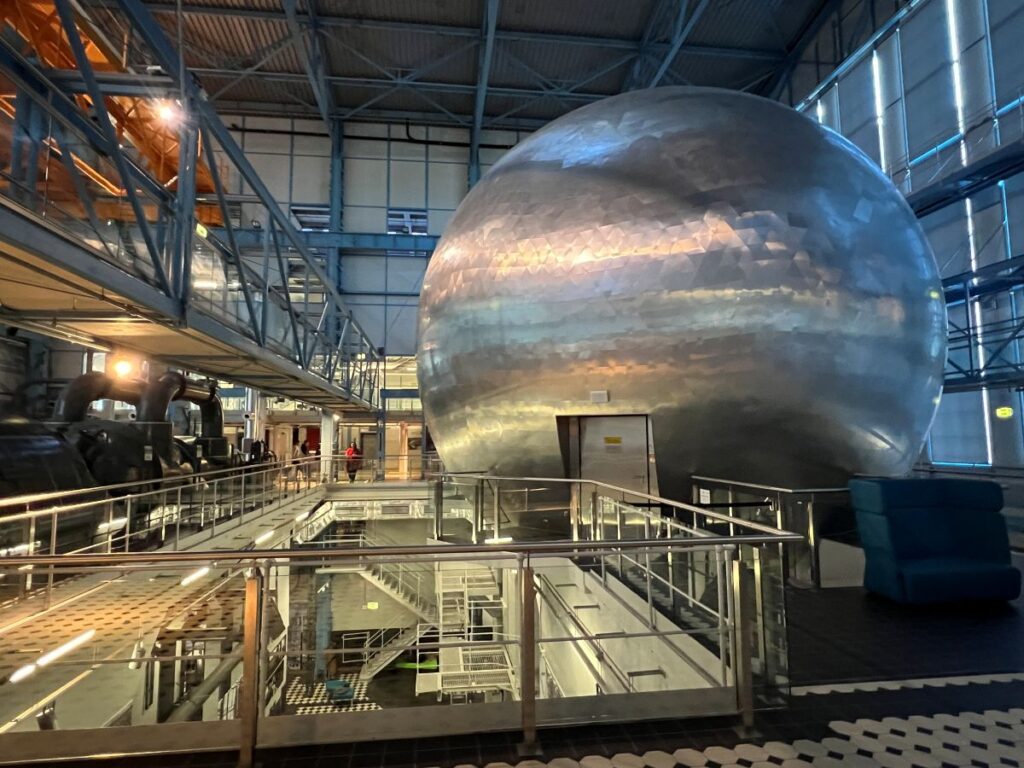
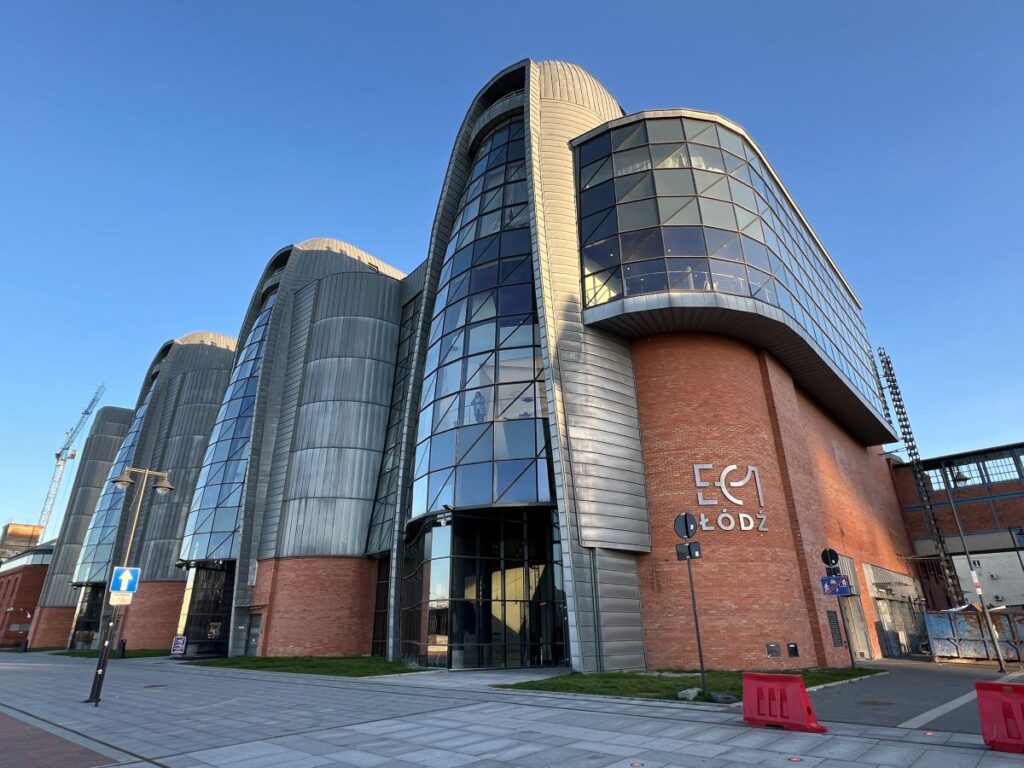
But the absolute must is the National Center for Film Culture. A marvel! Opened at the end of 2024, its museography is particularly modern. The museum is housed in the city's first power plant, which, after nearly a century of operation, was finally shut down in 2000. The premises were quickly redesigned and cleverly refurbished. The complex was renamedEC 1 - City of Culture. From the outside, the futuristic architecture is in keeping with the building.
You'll quickly be caught up in the magic of the place, and stay for hours without realizing it. This space retraces everything from the first cameras and period shoots to the present day. But of course it also evokes the immense contribution made by Poles to American cinema. The Warner brothers, Samuel Goldwyn, Sam Spiegel (producer of «Lawrence of Arabia» and «Bridge on the River Kwai», among others), Max Factor, Billy Wilder - the list is long of the Poles who emigrated from Łódź to make Hollywood a success. Hence the nickname «HollyLodz» (pronounced «Hollywoudj»).
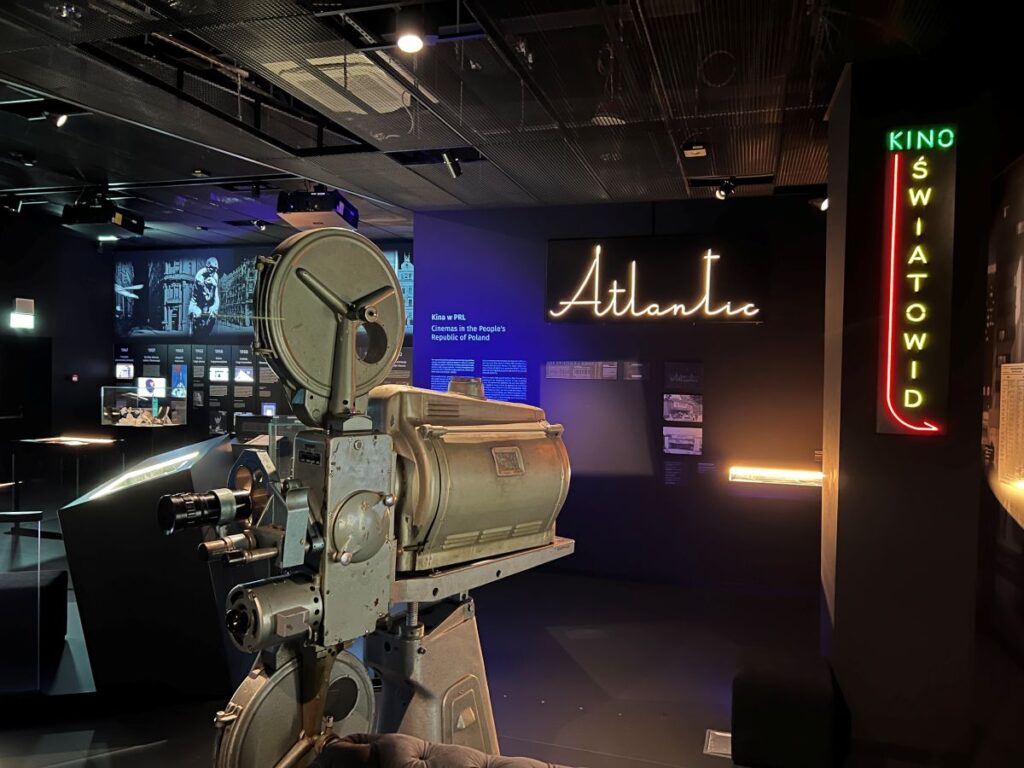
The huge power station also houses another space dedicated to science: the Science and Technology Center. Focusing on energy and the history of science, it includes a section on the micro and macro world. There's also a beautiful planetarium, the largest in Poland. A popular venue for school groups, but not only. In fact, it quickly proves to be very captivating for adults too.
The «Sorcerer», made in Łódź
Animation is another facet of Łódź, and has been for decades. Did you know, for example, that Colargol, the animated character of our childhood, was born here? So it was only natural to open a public space dedicated to raising awareness of this art form. And now, with the Cartoon and video game museum and once again, it's an outstanding museographic achievement. With the world-famous video game character «The Witcher», invented in Łódź studios, as the main «guest».
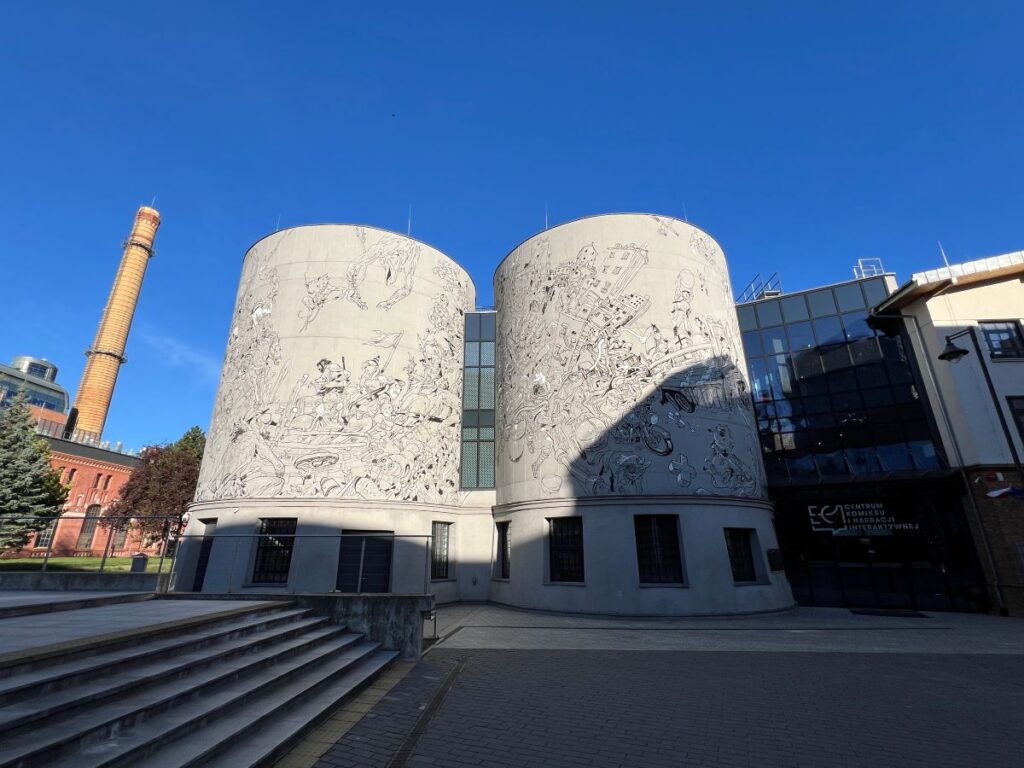
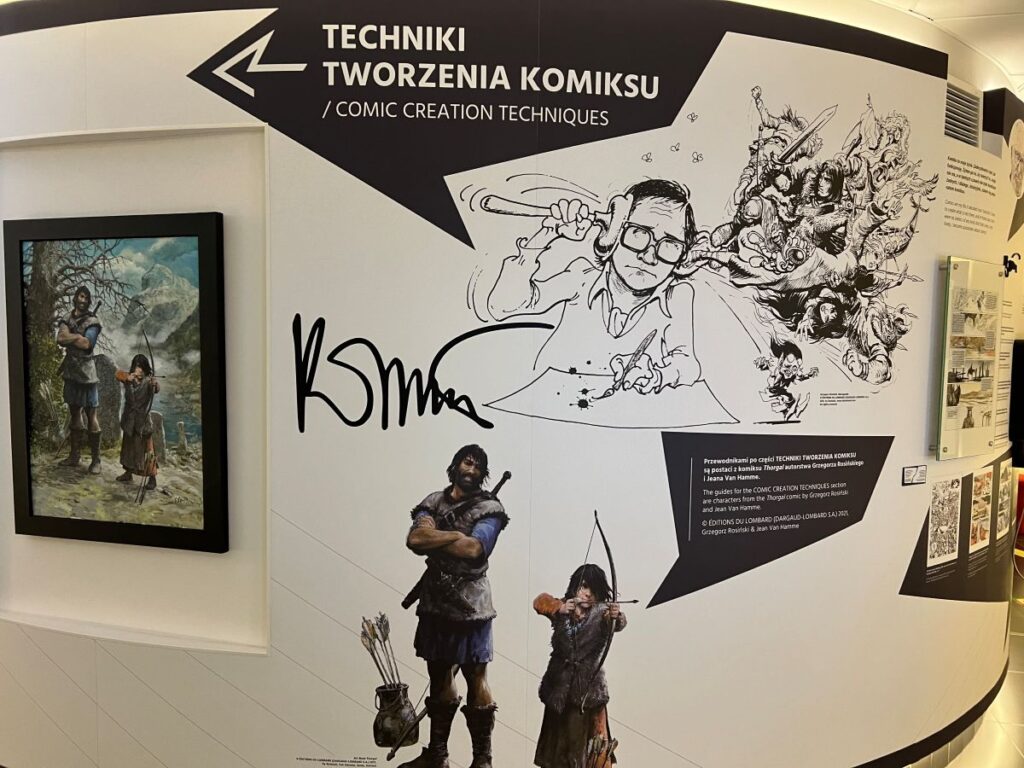
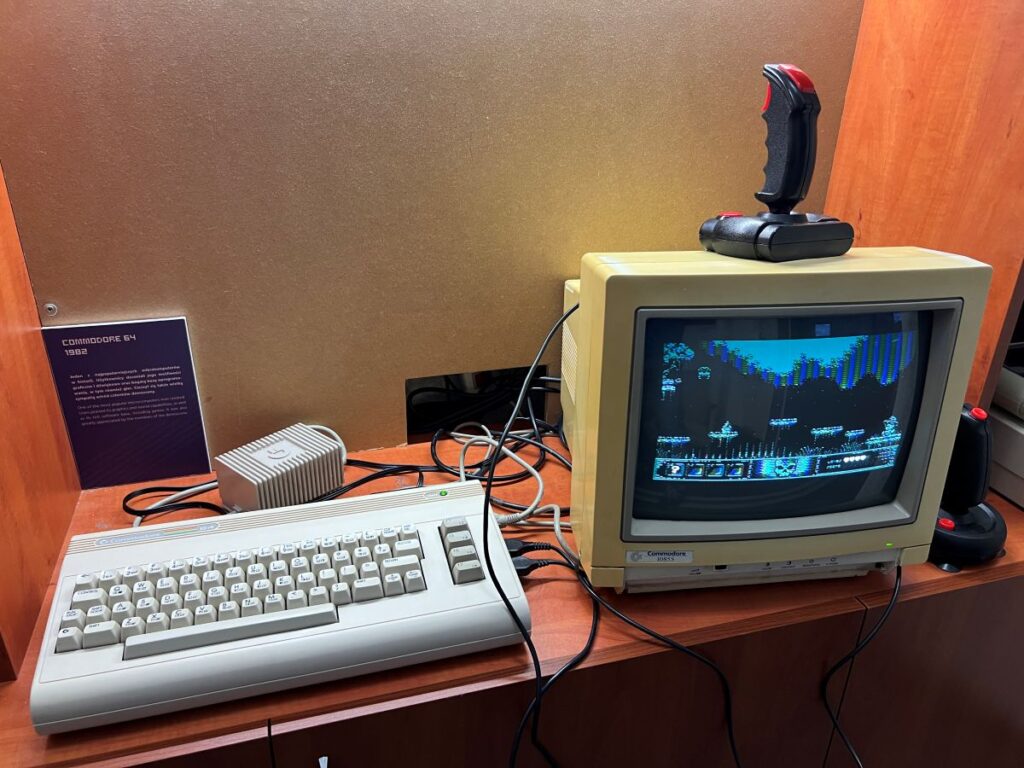
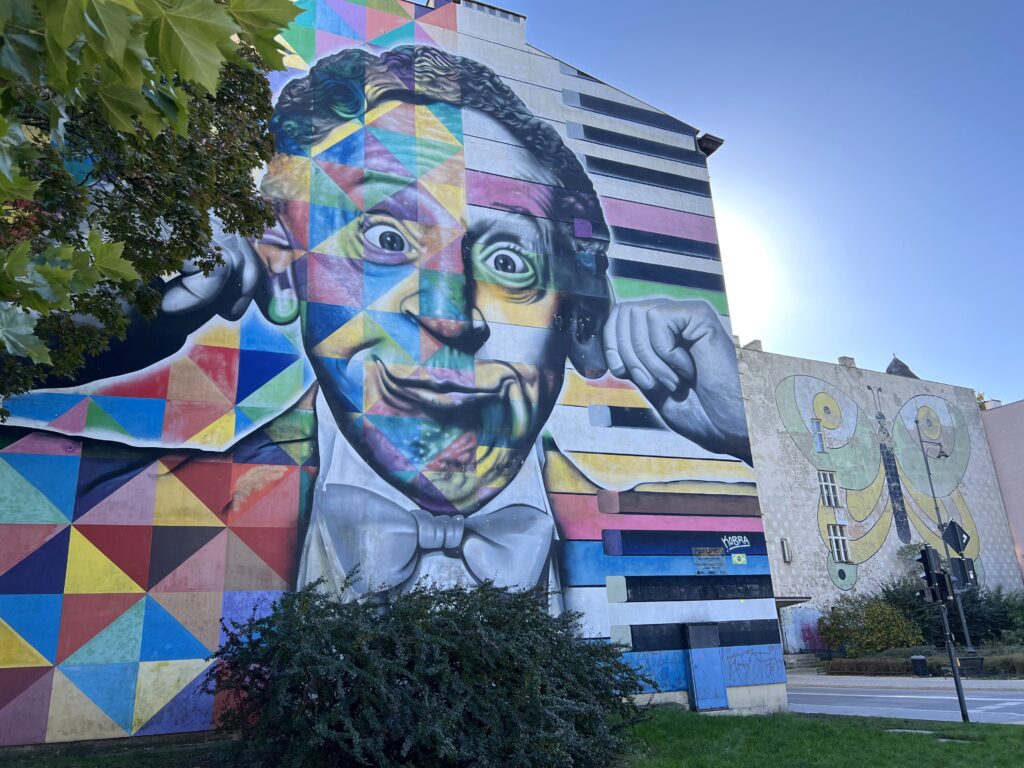
Outside, don't miss Poland's biggest mural of him. This museum takes us back to our teenage years, the time of the first PCs and video games. With reconstructed desks, arcade rooms and bedrooms from the 80s. We also learn that the creator of the Commodore PC was originally from Łódź, who emigrated to the USA. The place will appeal to old and new teens alike. The latter will particularly appreciate the section where you can really indulge in animated creations (image, sound, dubbing...). Another area is dedicated to the big names in comics, including another Polish star, Grzegorz Rosinski, the illustrator of Thorgal.
Monopolis, an exemplary rehabilitation
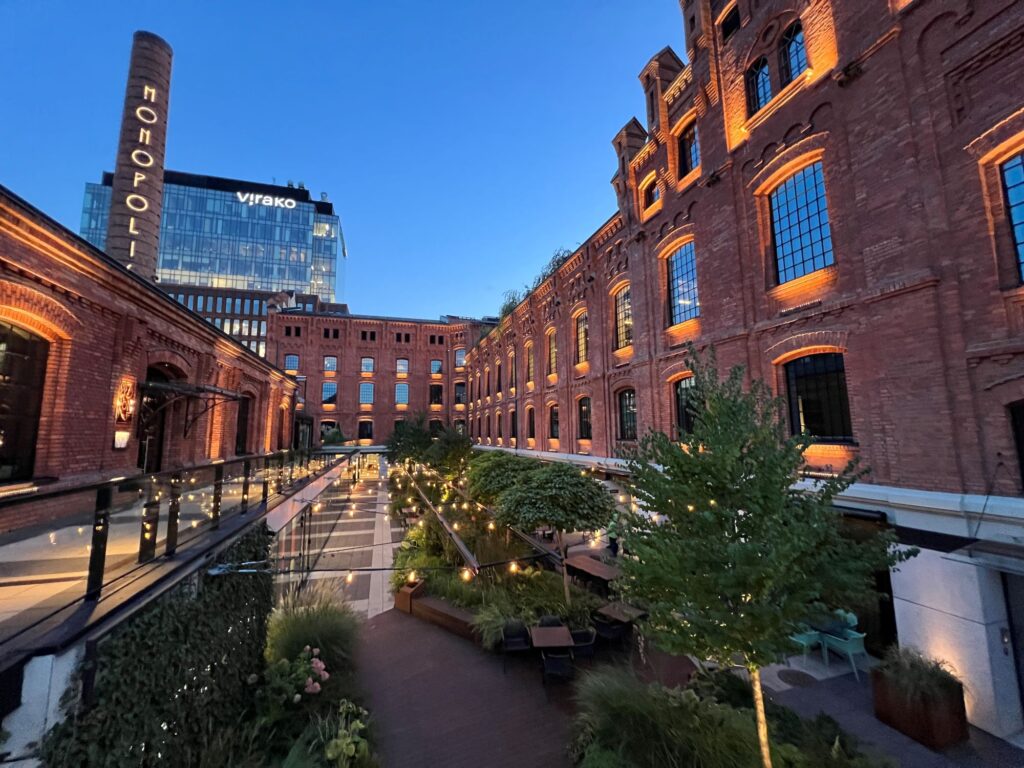
Located to the east of the city, Monopolis marries the red of its brickwork with more contemporary materials such as steel, natural stone and glass. Here once stood a factory that distilled a famous local brand of vodka. It closed in 2008 and, in 2020, the site was voted the world's best mixed-use renovation project. With its airy, well-cleaned brick cladding, Monopolis brings together offices, shops and restaurants... And of course a museum on Monopoly Vodka evoking the origins and evolution of the site. In addition, there are two stages, one indoor, the other outdoor. It's a pleasure to stroll through this space. Even at night, when the whole place is beautifully lit.
While red brick and monumental architecture characterize most of Łódź's industrial buildings, one of the oldest breaks with this line. When Ludwik Geyer had one of the city's first large textile factories built, he opted for classicism and a white wall covering. It was also here, in 1839, that Poland's first steam engine went into action and the first factory chimney was erected. Today, this former factory houses the Central Textile Museum. It provides a vivid reminder of working-class life. Lots of objects, clothes left behind by the workers and machines still in working order. On the top floor, a section on the evolution of fashion, how it was lived under communism and in the years that followed. Fascinating stuff.
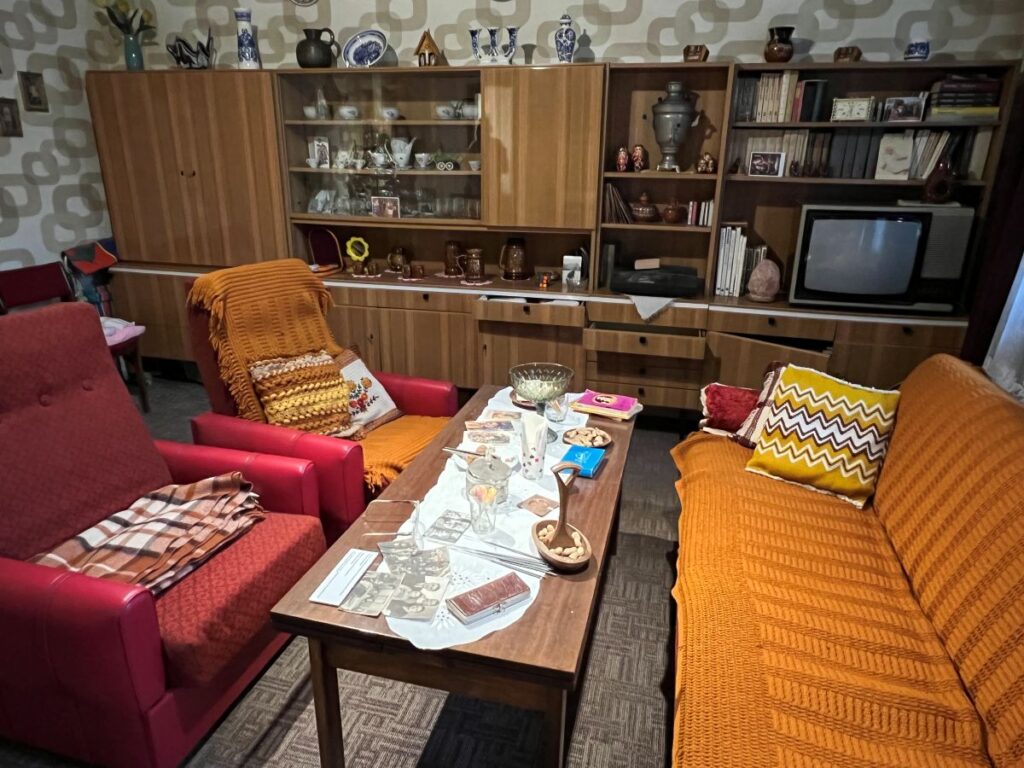
Outside, in the park, be sure to continue your visit to the small open-air museum. You can enter real houses from different eras, transposed here as they were, such as a farmhouse, an apparatchik's house, a modest house under Communism, a tailor's workshop... Each time, you discover the intimacy of a family or a character who really existed and lived there. It's fascinating to discover a teenager's bedroom from the 1970s in Eastern Europe, or a dining room from the 1960s ready for Christmas dinner. It doesn't get any more real than this!
Street art
The town is dotted with frescoes - more than 200 - on many different themes. Maps list them all. Some are displayed in the courtyards of buildings or in little-frequented alleyways, others on the busiest thoroughfares are sure to catch the eye. It's up to you to map out your own route according to your own interests.
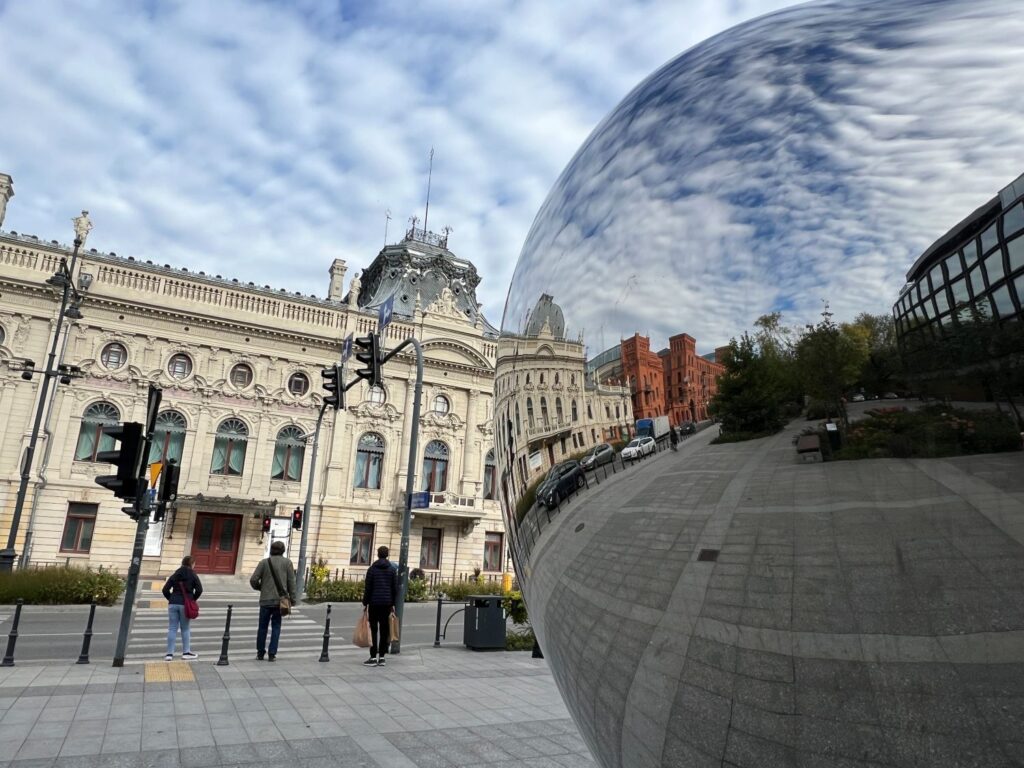
Impossible to miss: Ulica (street) Piotrkowska runs for more than 3,200 m through the city. Now beautifully redeveloped as a semi-pedestrian thoroughfare, it is said to be the longest in Poland. In any case, it's one of the longest shopping streets in Europe. Lined with magnificent palaces, richly decorated facades and even former workshops and factories with ostentatious architecture, Piotrkowska Street is covered with terraces as soon as the sun comes out. Countless filmmakers have set up their cameras on the cobblestones of this street, also known as «Cinema Street».
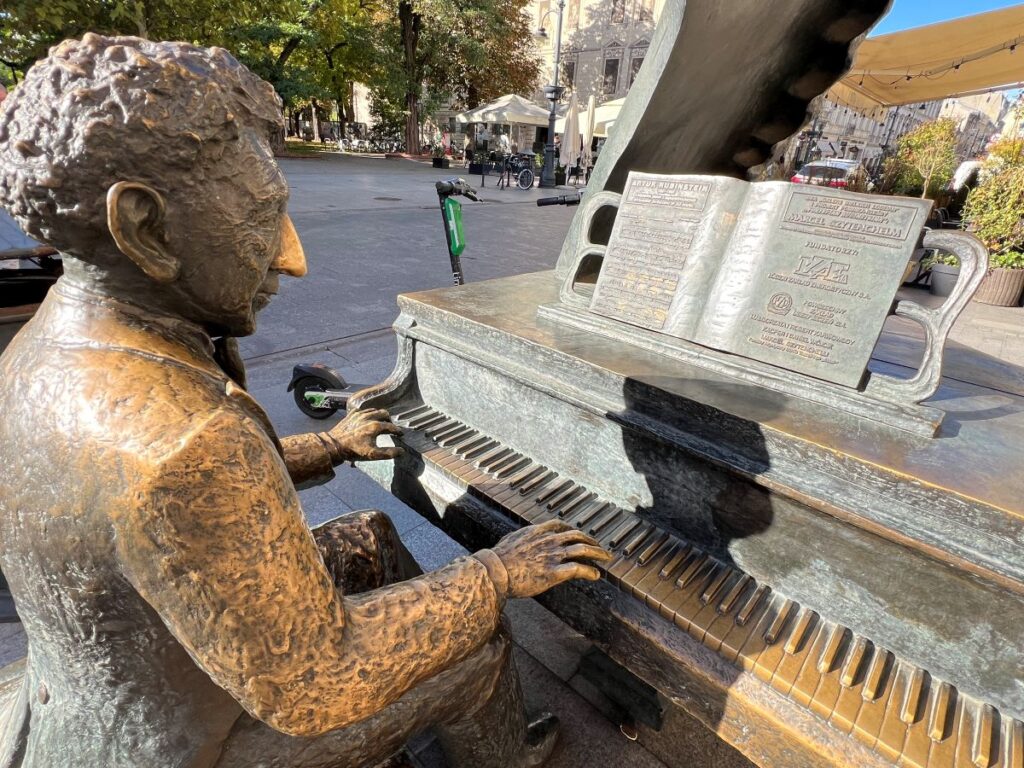
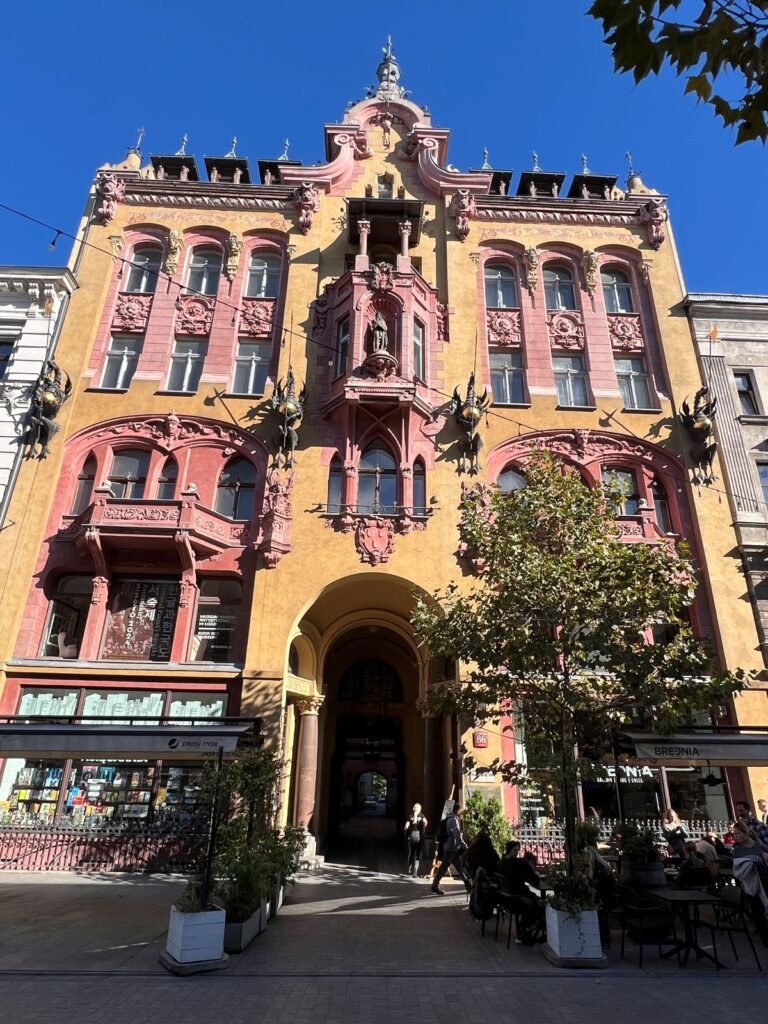
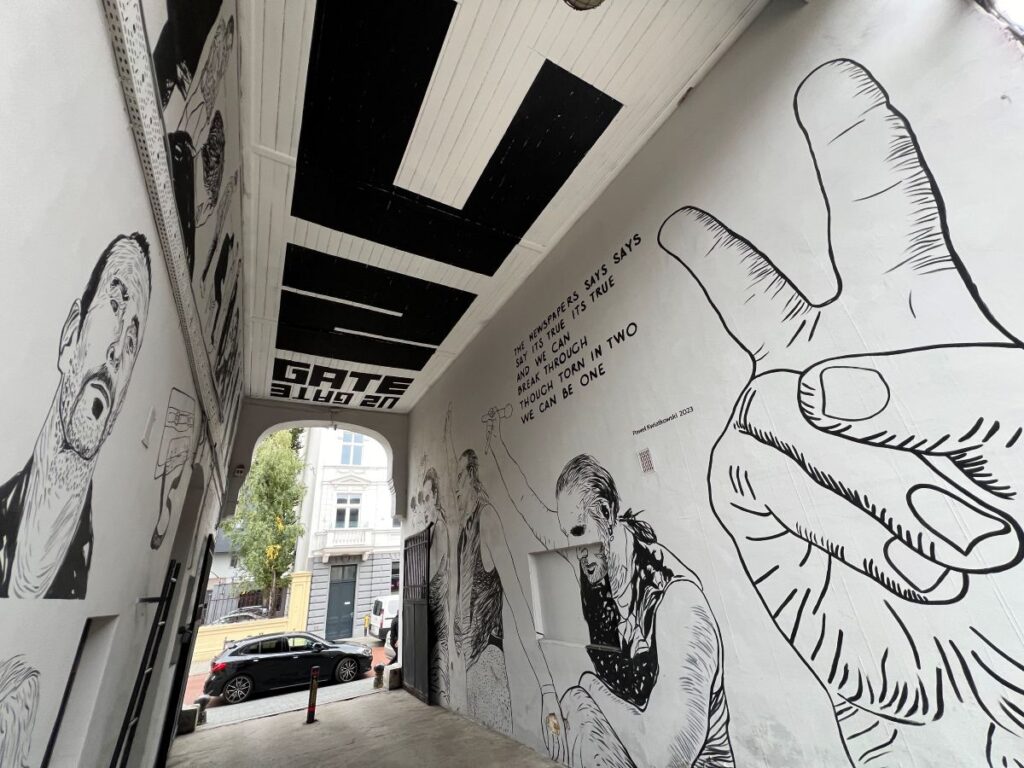
Behind the beautiful facades lie other surprises: inner courtyards and back buildings often now occupied by restaurants, bars or boutiques. And once again, a few remnants of past industries. In the process of conversion or already reappropriated by other activities. A special mention for OFF Piotrkowska, This industrial wasteland overlooking the famous street has now been reclaimed by restaurants, food trucks, artists« studios and boutiques, terraces and bars. Perfect for a wide choice in one place. One of the vaulted passageways leading to an adjacent street is adorned with frescoes in tribute to the Irish band U2. The »U2 Gate« commemorates the song »New Year's Day‘, created and sung by the Irish band in tribute to the Solidarnosc trade union's fight against the communist regime in the ’80s.
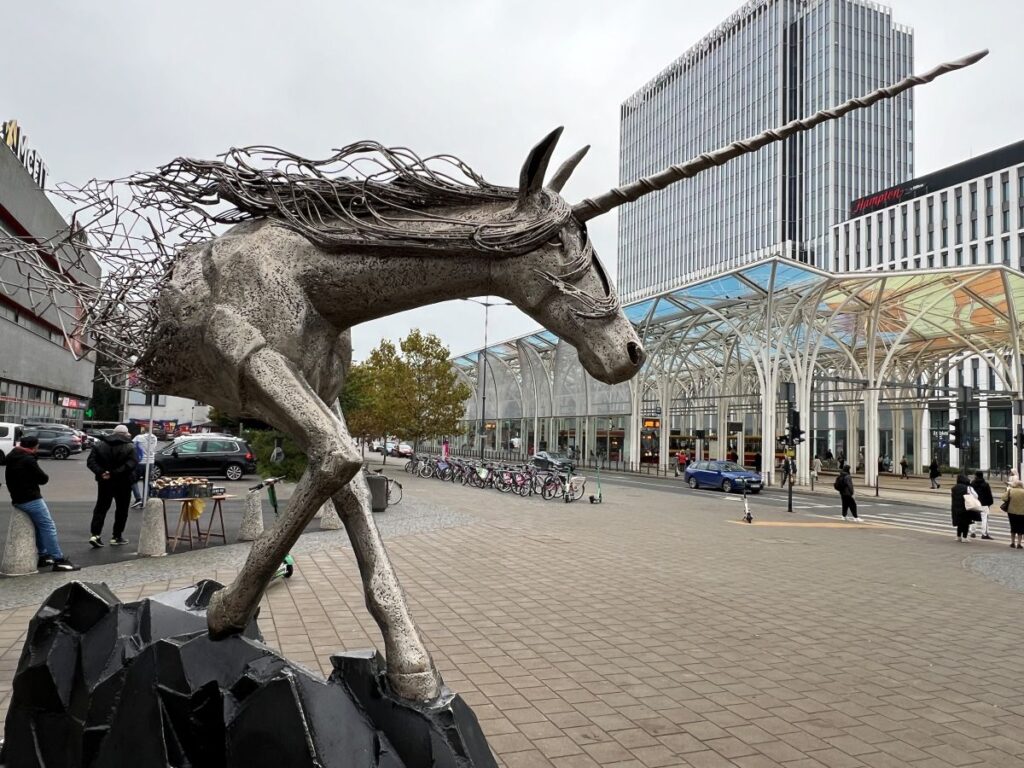
A little further on, another curiosity in a very different style: the vast new streetcar station. Locals have nicknamed it the "unicorn barn" to poke fun at the structure's slightly excessive height. A Japanese artist picked up on this fable and installed one of his works - a large unicorn statue, of course - right in front of it. The work quickly became one of the emblems of this city, which has certainly had the knack in recent years of acquiring some very fine additions to its soul.
Also to be seen in Łódź :
Art Museum (Ogrodowa 19): one of the world's oldest museums of modern art. Its collections are mainly devoted to the 19e and 20e centuries. https://msl.org.pl.
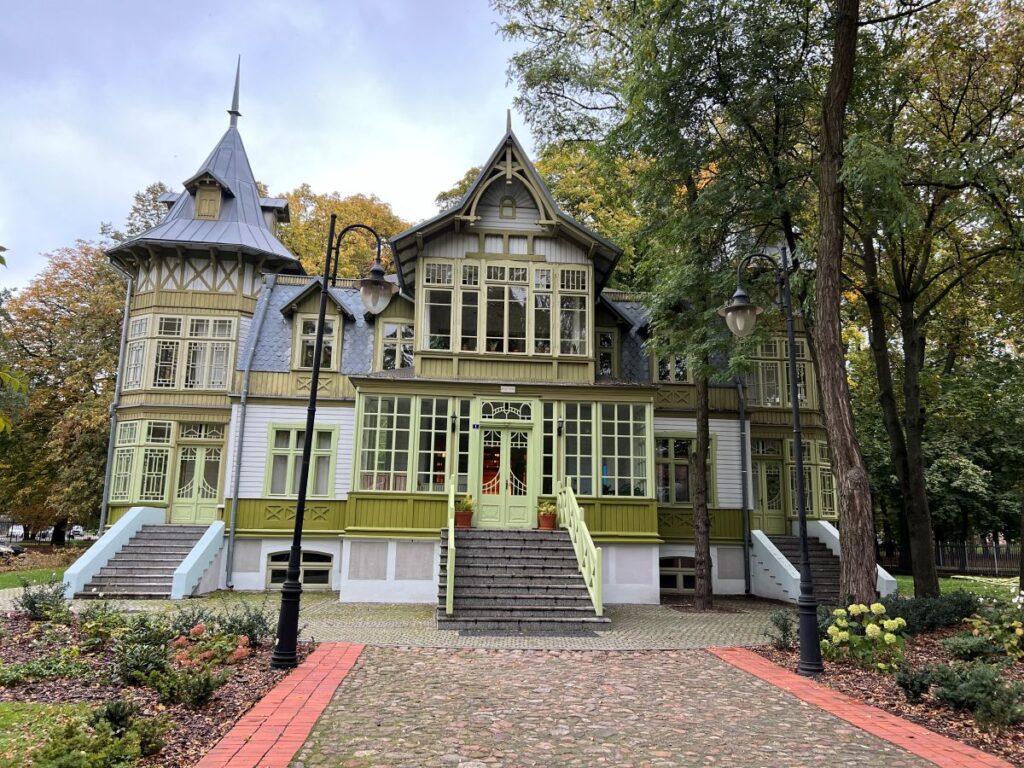
Villa Kindermann (Wólczańzka 31): an architectural gem and undoubtedly one of the city's most beautiful Art Nouveau buildings. An unusual detail: every window in this villa is different. Today, it houses exhibitions open to the public.
Orientarium Orientarium: part of the city's botanical gardens, which are also well worth a visit (spring to autumn), the Orientarium is a magnificent animal park. https://orientarium.lodz.pl.
Visit green spaces Parks: parks (over 30) and gardens cover a third of Łódź's surface area, and the forest is just a few minutes away by car.
Why take a citytrip to Lodz?
1. No overtourism.
2. Inexpensive destination with good infrastructure.
3. Airport close to center (6km). Easy transfer by cab or direct bus every 20 minutes.
4. A wide choice of sites to discover: ultra-modern, highly interactive museums, film hubs...
5. Museums and sights are uncrowded. They're all close to each other (rarely need transport).
6. A destination where tourists and locals mix, whether to eat or to visit.
Before you leave :
How to get there :
We flew from Charleroi-Bruxelles Sud airport, which now has a direct link with Łódź airport (Ryanair - 1h50 flight).
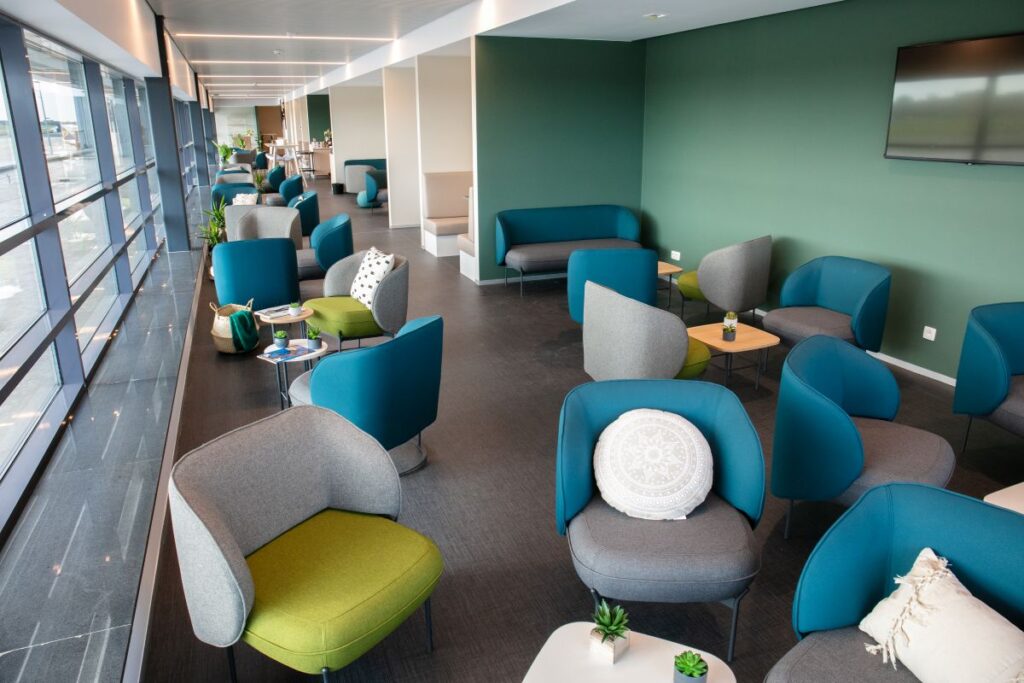
And discovered the lounge in Terminal 1. Enlarged and completely redesigned, it now offers 200m2 of warmer, premium spaces. The long, light-filled lounge faces the runways, offering unobstructed views. It also features the following services: fast, free Wi-Fi access for work or play, a selection of reading material, with a range of magazines and newspapers available free of charge, a snack buffet and a variety of drinks, including a selection of wines and cocktails, and quiet areas to relax before departure.
More info: www.brussels-charleroi-airport.com.
Eating/drinking A wide choice of Jewish and Polish restaurants, as well as international cuisine.
Imber, Piotrkowska 43: in an Art Nouveau building, a beautiful address with Jewish influences and very fresh dishes that breathe both the Orient and traditional Poland.
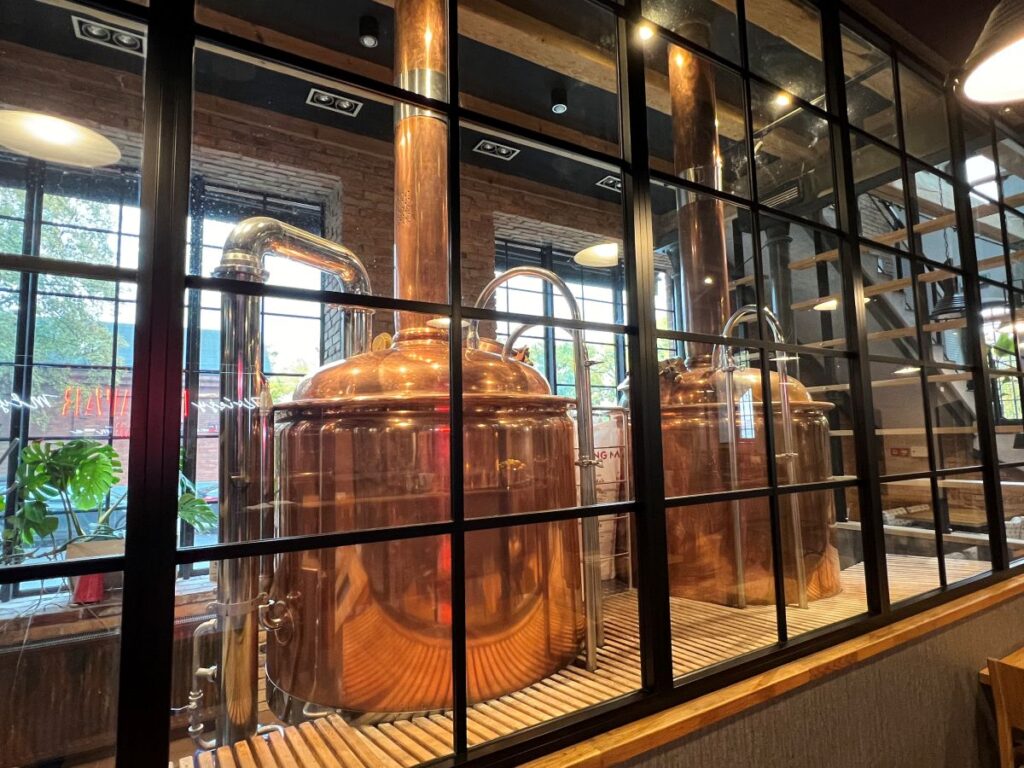
Browar Księży Młyn, ul. Tymienieckiego 22/24: a microbrewery set up in 2014 in a former industrial building. To be enjoyed with dishes concocted by the adjoining restaurant. https://browarksiezymlyn.pl.
3 or 4 other microbreweries have sprung up in the city. With experimental beers, including one with pumpkin seeds and another with... herring.
Local transport Practical information: Remember to buy a ticket for transport (streetcars, buses, etc.) valid for three days at the price of 18 zlotys (3 euros). To be purchased at tourist offices only.
2 good plans :
State museums are free one day a week.
Combine a discovery of Łódź with a getaway to Warsaw, 1h by train from each other.
More info: : https://lodz.travel.
