
With its endless horizons, isolated villages and starry nights, the Karoo exudes a truly magical atmosphere. A road trip to the least-known part of South Africa.
By Eric Vancleynenbreugel
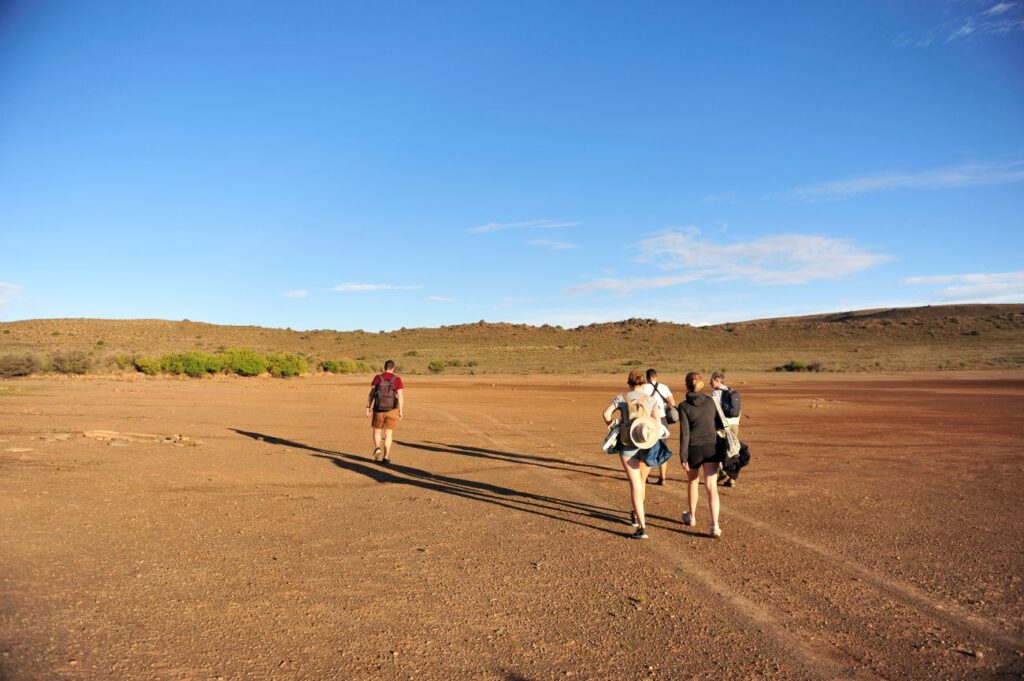
Leaving Cape Town in a northeasterly direction, you enter an ocean of vineyards. Route 1, which at the other end connects with the two other capital cities of Bloemfontein and Pretoria, then enters the vast expanses of the Karoo. This semi-desert - Karoo means «land of great thirst» in the Khoi language - covers a third of South Africa, yet remains one of its best-kept secrets.
Far West atmosphere
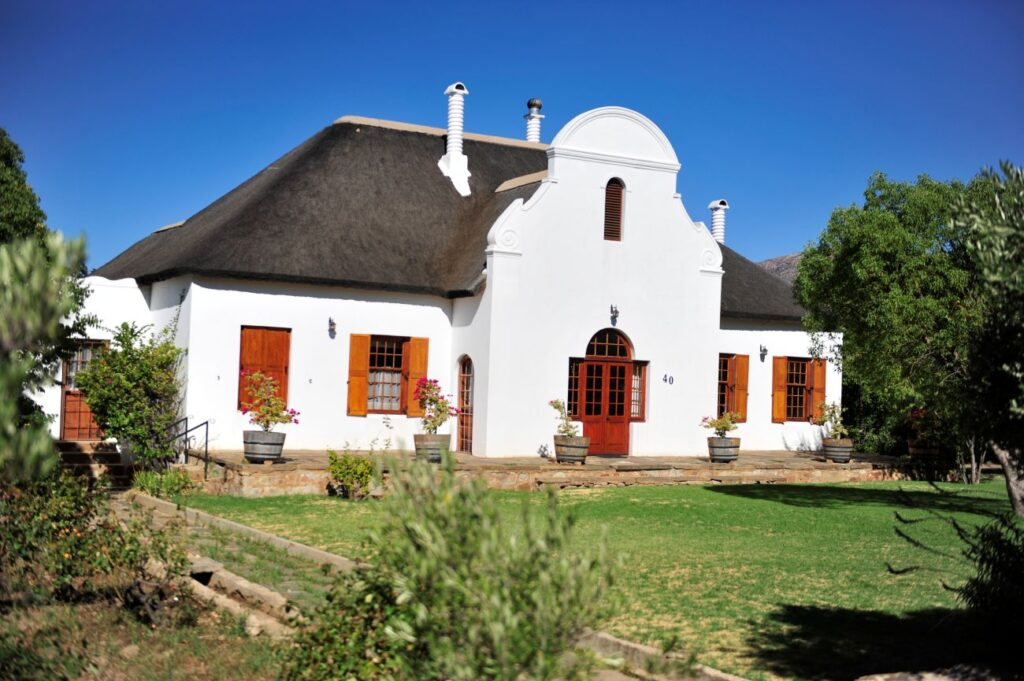
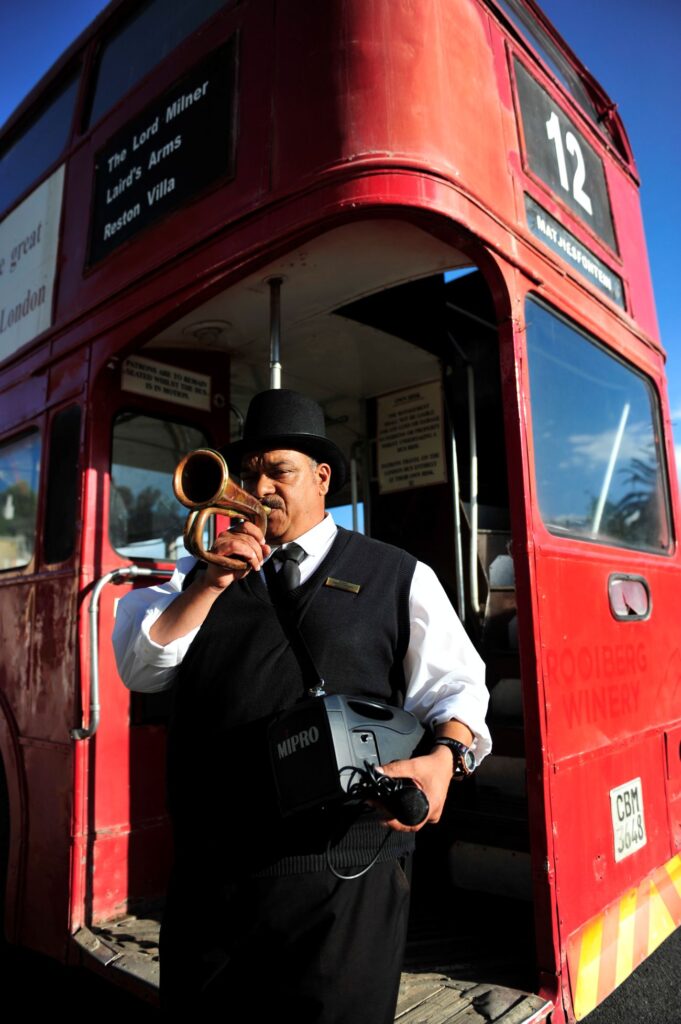
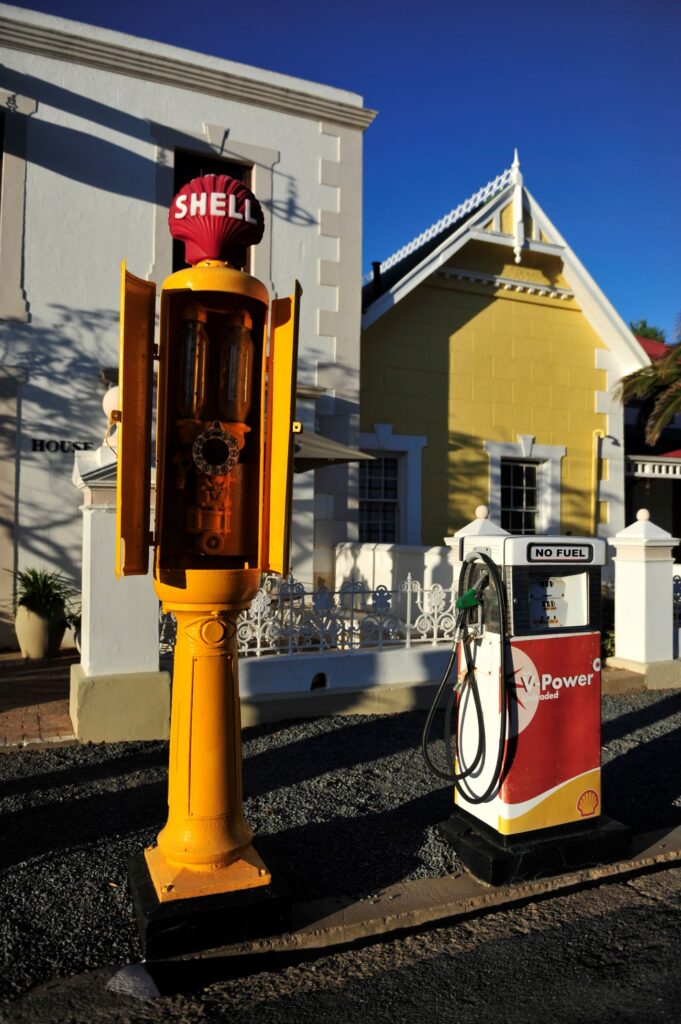
With some very unusual stops. The first is Matjiesfontein, population 300. A mushroom town born of the railroad, it had its heyday at the turn of the 20th century.e century. Today, it's a museum village, with its oversized hotel, old bank, post office and old-fashioned gas station. And its ghosts... who, it is said, can be met in the form of spectres or heard in the depths of a dusty museum. At the end of the afternoon, stalwart John calls the bugle and invites us to board an improbable red double-decker bus and tour Matjiesfontein to the rhythm of his atypical, humorous commentary. For example, when he points out the pink church hidden at the end of the village: «It hosts weddings and afterwards, you can get divorced at the bar.» The Lord Milner Hotel, where he takes us next. Another timeless place that has welcomed its share of celebrities, including Randolph Churchill (Winston's father), Rudyard Kipling, the Sultan of Zanzibar and Cecil Rhodes, Prime Minister of Cape Town. John then takes up the piano before talking about the ghosts of the place. You can't leave this village without visiting its improbable transport museum, which, in the heart of the desert, exhibits dozens of vintage vehicles and titanic steam trains.
Roosterkoeken
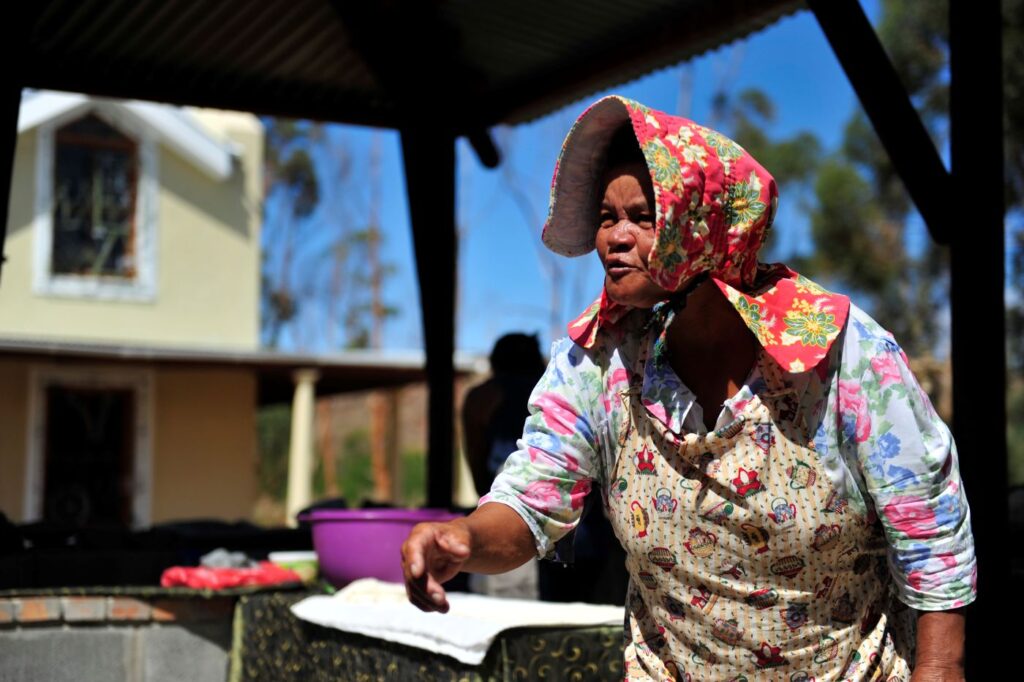
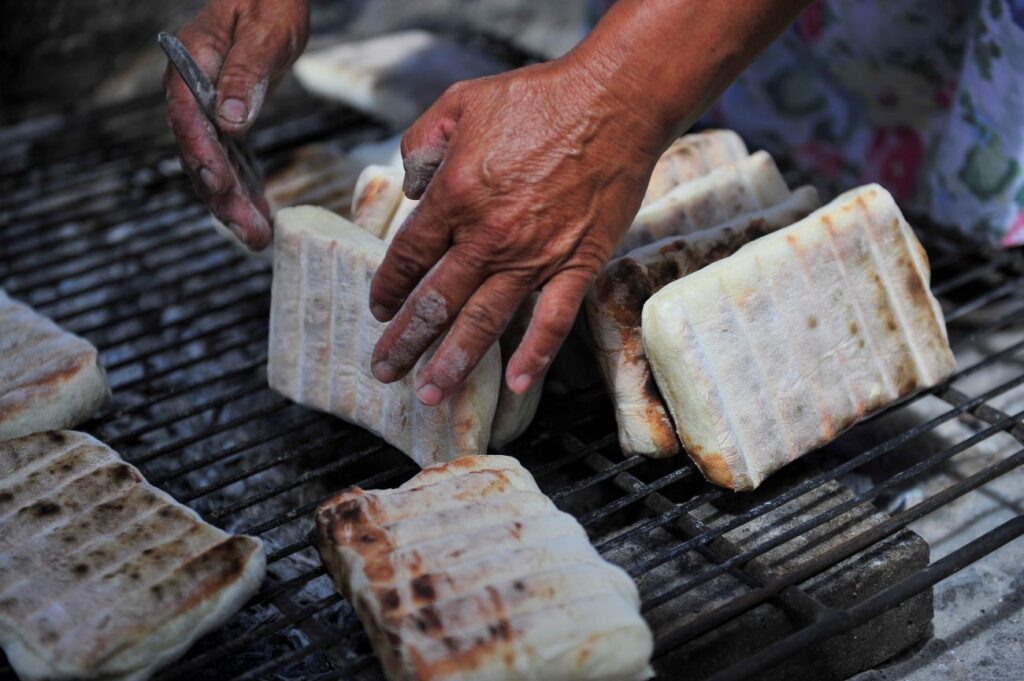
The Karoo is certainly full of colorful characters. Like Tannie Poppie, who you can meet in Laingsburg, right next to the museum commemorating the terrible floods of 1981. Happy as a lark, her greatest joy, she says, is still being able to get up at four o'clock every morning to bake her bread and cookies. Despite her many health worries and the care of seven children, this amazing little woman sings, laughs and dances around her crackling roosterkoeken fire. Warm and soft on the inside, these delicious sandwiches crisp up just right on the outside, and are served savory or sweet. Always facetious, she's proud to say that in over 25 years in business, she's never changed their price!
Nature sanctuary
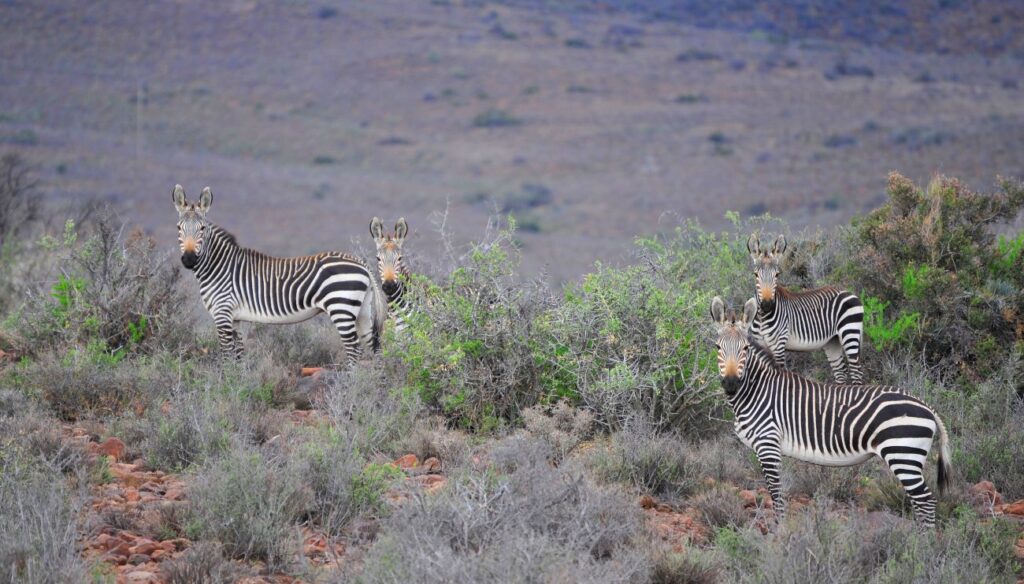
Back on the road, the Karoo spreads out its high plateau, now bordered by tabular mountains. An infinite landscape streaked with parched rivers and punctuated by windmills drawing water from the depths. An endearing Wild West atmosphere. Still further east, Beaufort West is a market town watched over by an oversized church. But it's also the gateway to the Karoo National Park. This huge 33,000-hectare expanse is home to oryx, mountain zebra, Cape eland, kudu, buffalo and black rhino, as well as some twenty recently reintroduced lions. It is also home to the world's greatest diversity of tortoises. The thousands of fossils found in the region are a reminder that 225 million years ago, the Karoo was an immense swamp covering the center of Gondwana. Some of the finest are on display along the ‘Fossil Trail’, which runs alongside the park's campsite. The oldest and largest town in the Karoo, Beaufort West is also proud of its local hero: the famous surgeon Christiaan Barnard, who performed the first heart transplant in 1967. His house and the adjoining church are home to the interesting, if somewhat outdated, museum that recounts the epic story of this visionary of modern medicine.
Prehistoric piano
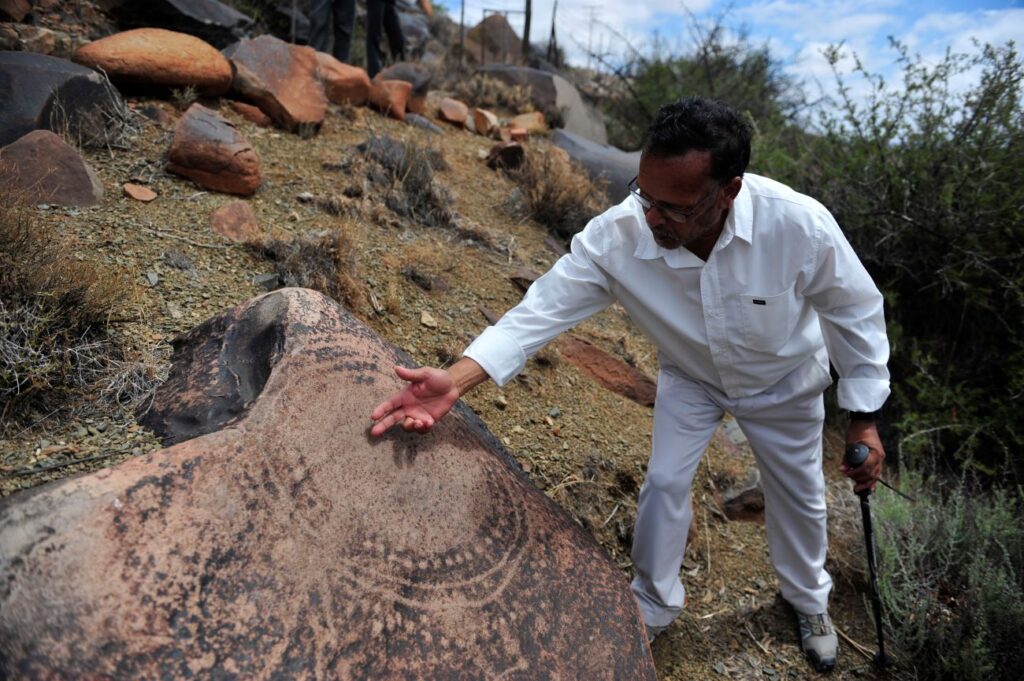
The Karoo has been inhabited for thousands of years, and the area around Beaufort West and Nelspoort must have been one of the most important population centers. This is borne out by discoveries made in 2001 by children from the Nelspoort school, who told their principal. A specialist from the National Museum in Bloemfontein confirms that the strange rocks covered with engravings are very ancient vestiges left by the San and Khoi peoples who nomadized in the Karoo several thousand years ago. The oldest, depicting a huge buffalo, is thought to be 12,000 years old. Others are more enigmatic, evoking a solar disk, a saucer or a being with deformed limbs. At the top of a hill, the guide begins to tinkle an enormous block of basalt, which echoes unexpected metallic sounds, different depending on where he strikes it with his palms: he's sure that this «piano» is one of the oldest instruments still in use.
Work, prayer and rugby
Continuing towards Three Sisters, the landscape is a little greener. A river makes its way across the plateau, and then the terrain climbs steeply just before you reach Murraysburg, another of those places lost in the middle of nowhere. Cape Town is over 600 kilometers away, and life here is very different, more sober. In these small communities, everyone supports each other,« explains guide Machiel, »especially in such a harsh environment. Yet this is the promised land that the Boer farmers took over when they were driven back by the British. South Africa is old-fashioned but still very much alive, and the Afrikaners have remained very conservative, devoting their days to work, prayer and rugby. As Machiel explains with a smile, «some communities forbid dancing before marriage, for example, as this could lead to bad behavior».
Around the braai
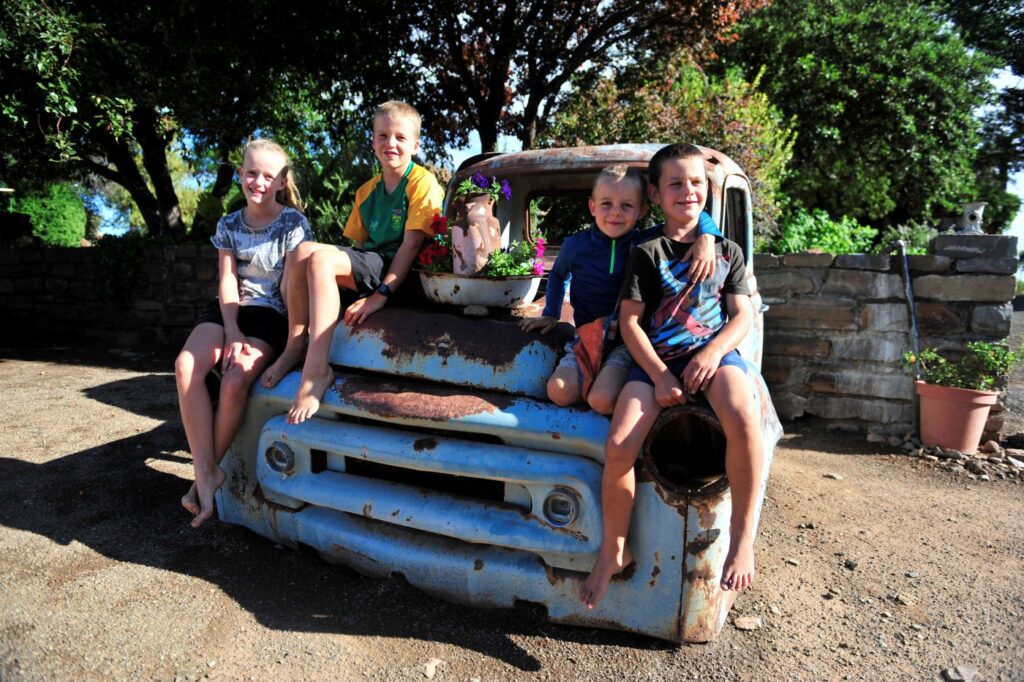
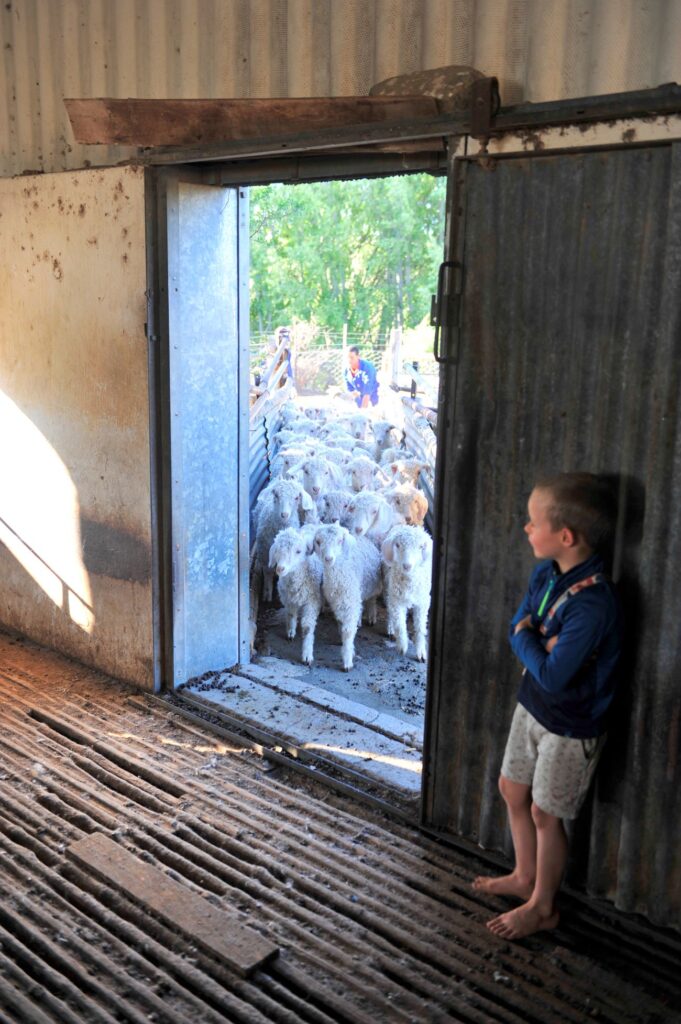
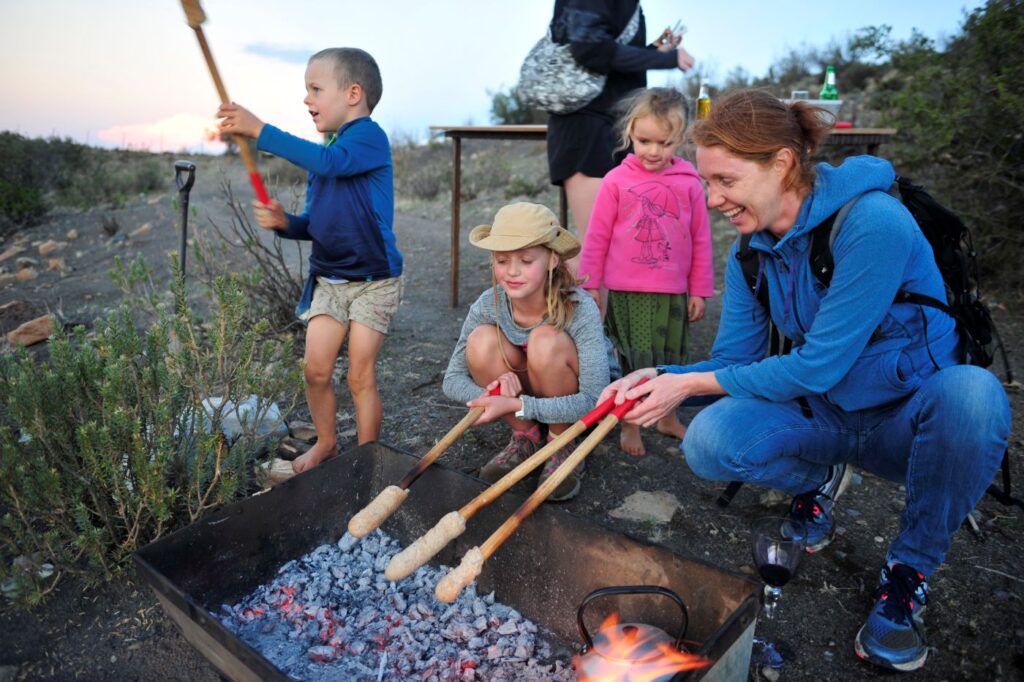
The Karoo may not be a gift, but the Afrikaners have made the most of it. Several kilometers from Murraysburg, the Driehoeksfontein farm is a breath of fresh air and tranquility. The children play barefoot outside and seem to know the veldt like the back of their hand. Karin explains that she teaches her six children every day. She gets up at 5.30am and holds a religious service before breakfast and the start of lessons. ‘It's God who asks us to spend time with our children,’ adds her husband Percy Reynolds. The couple cultivate their vast garden and raise Merino sheep for the wool they export to Italy, where designers appreciate the quality produced here. Attached to this arid land, they take us to a nearby hilltop to gather around a braai, the South African barbecue. From here, the view takes in part of their ranch, most of which is covered in bush. The sun continues to glow, slowly giving way to a carpet of stars. The Karoo is reputed to be one of the best spots on the planet for observing the sky, and this evening was no exception.
A mountain bike pass
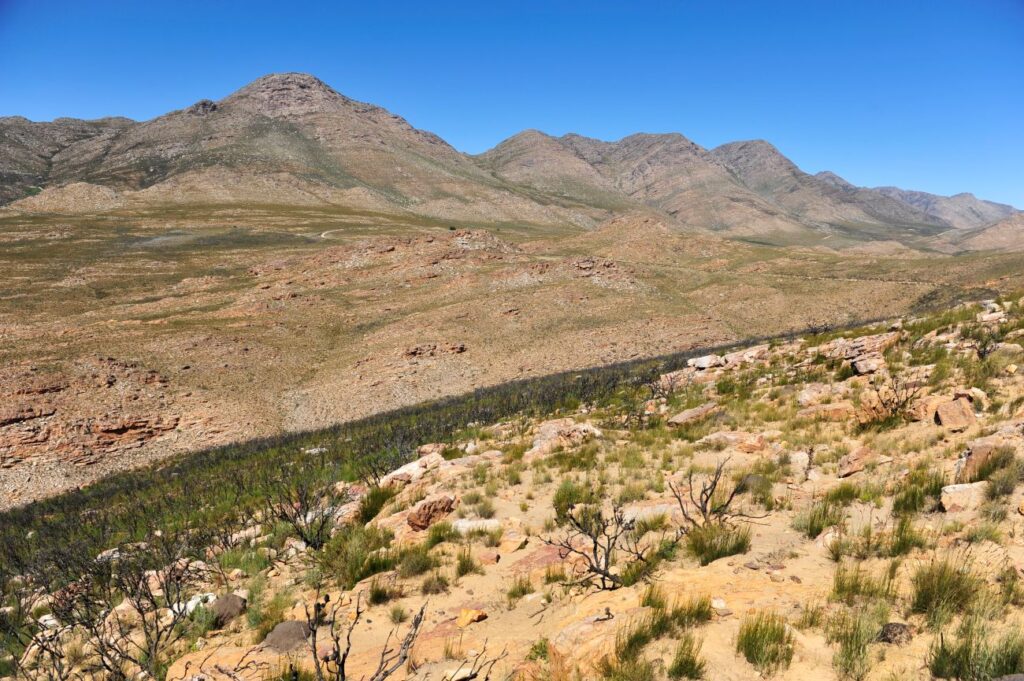
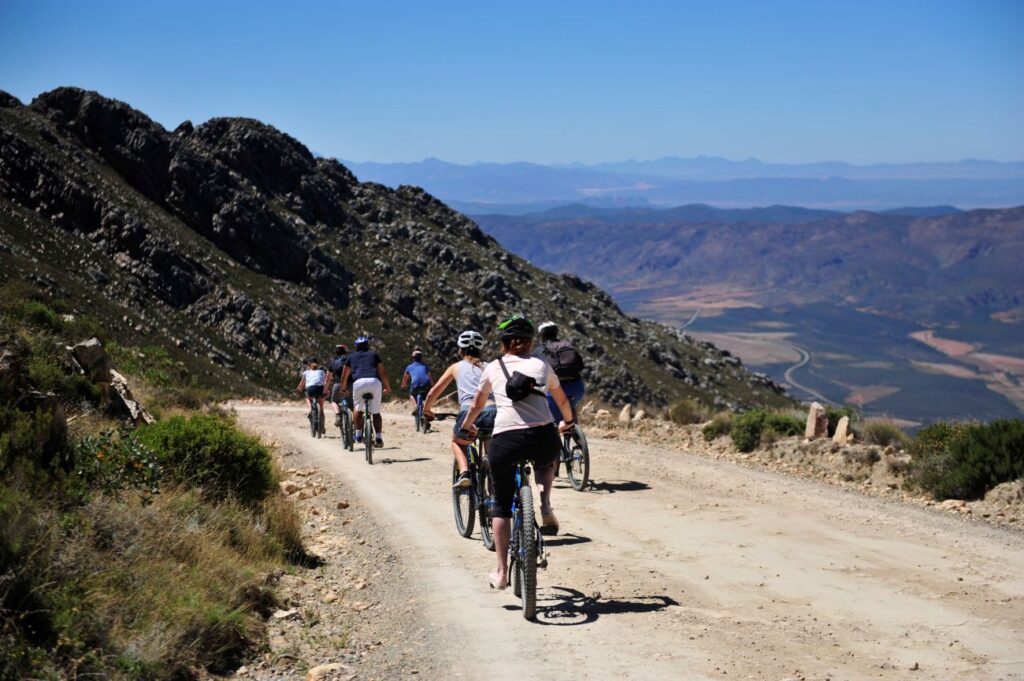
This immense land, which one would think monochordal, has seven microclimates, but above all two very different regions: the Greater Karoo, which we're now leaving behind, and the Lesser Karoo, which we'll reach by climbing the Swartberg Pass. A route traced in seven years by prisoners. Now a National Monument, the site has been declared intangible. From the summit, operators offer mountain bike tours down the other side. With your hands on the brakes for most of the way, you can better appreciate the majesty of the now verdant landscape that opens up after the first few hairpin bends.
Dolce vita in Cape Town
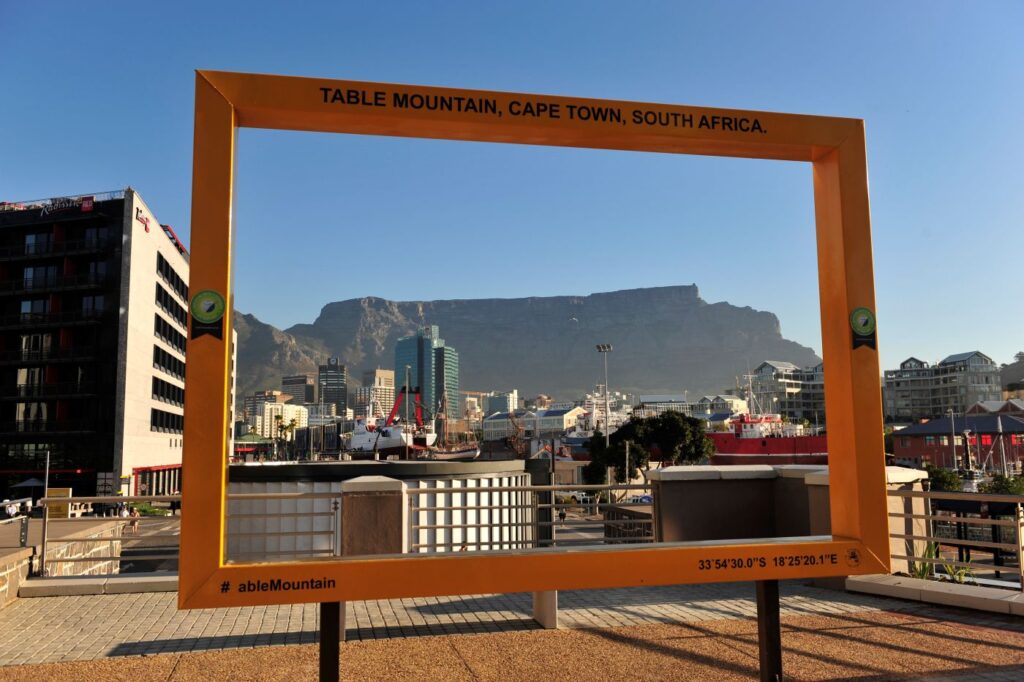
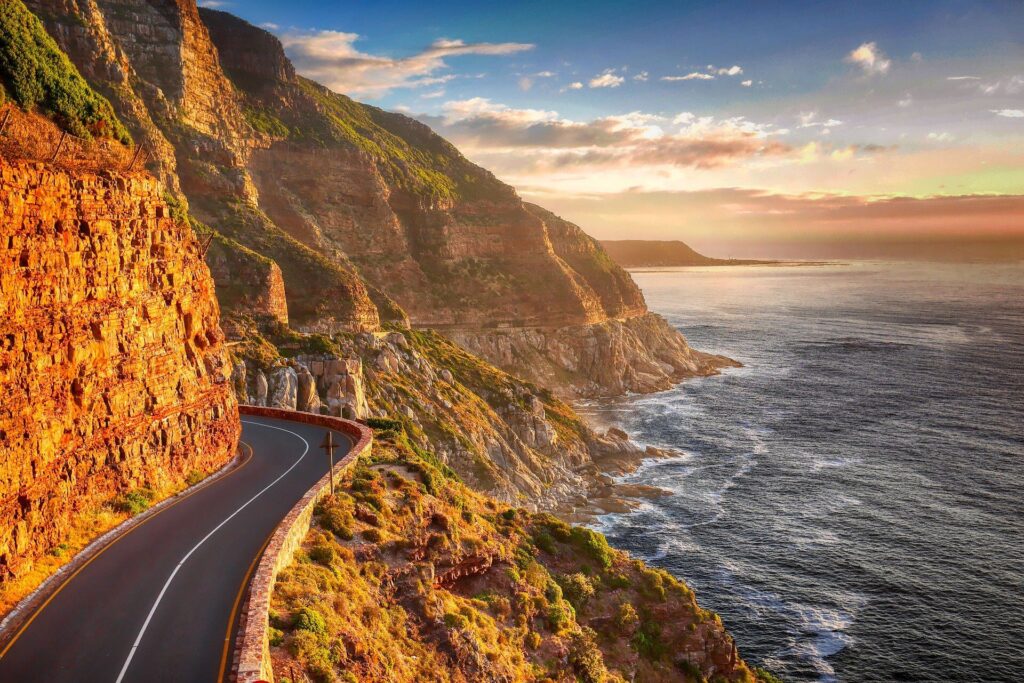
Passing Oudtshoorn, famous for its ostrich farms (most of whose feathers are exported to Rio), the terrain slopes gently down to the coast and the Indian Ocean. The famous Garden Route leads back to Cape Town, a mythical city with an incredible mix of Mediterranean vegetation, Dutch and Victorian buildings and marine life straight from Antarctica! The heart of the historic metropolis beats on its pleasant waterfront, where seafood restaurants rub shoulders with boutiques, bars and terraces, with Table Mountain in the background. From November to March, Cape Town becomes the windiest city on earth, but when the Cape Doctor blows, a majestic blanket of white clouds settles over the summit and tries in vain to spill over its vine-covered flanks. All that's left to do is sit back and relax on a terrace or one of the sublime white sandy beaches that stretch out on either side of the city.
Carnet de voyage :
Find out more : www.infolaingsburg.co.za; www.murraysburg.co.za; www.beaufortwest.net; www.princealbert.org.za; www.southafrica.net.
Time difference This is a great advantage, since there are none in our summer and +1h in our winter.
Accommodation :
Lord Milner Hotel, Matjiesfontein, www.matjiesfontein.com/rooms/the-lord-milner-hotel. An unmissable experience, staying in this Victorian building in the middle of the desert.
Intercontinental Table Bay Cape Town, www.ihg.com. Perfectly located on the Waterfront, it offers top-flight services.
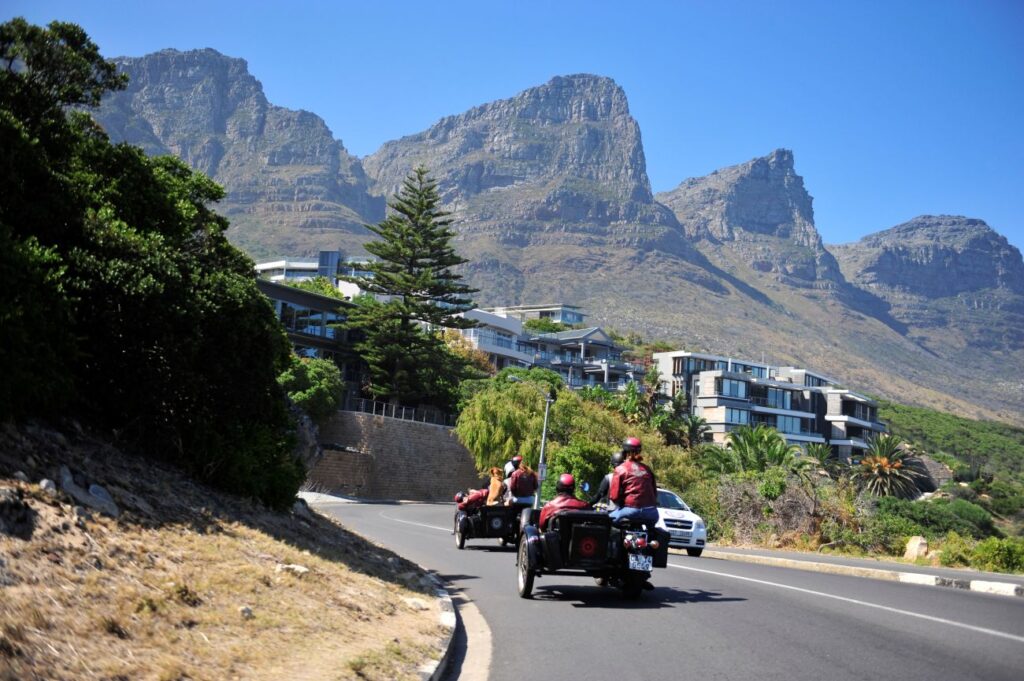
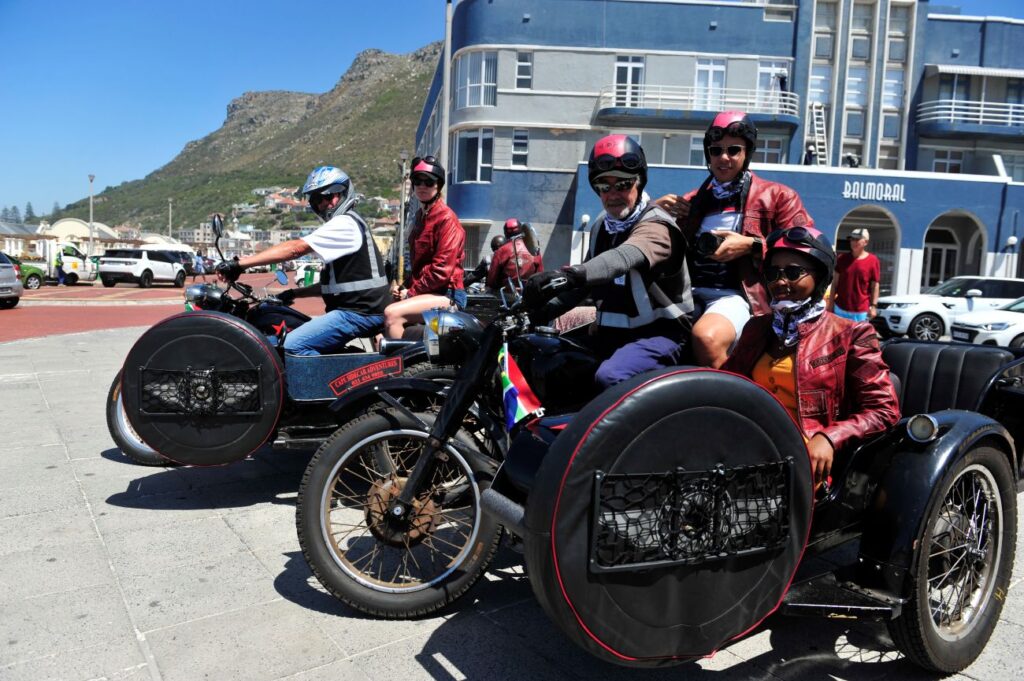
To do A tour of Cape Town and the surrounding area in a sidecar, accompanied by a friendly team of motorcyclists (www.sidecars.co.za).
Photos: Eric Vancleynenbreugel
