
Looking for a change of scenery, sunshine, gastronomic and cultural discoveries and relaxation? All for a short flight? Tunisia is the best choice. Its sunshine and mild winter climate make it THE ideal destination. From autumn to spring, it's the ideal time to swing on one of its 9 golf courses, indulge in a thalassotherapy wellness break or discover its UNESCO-listed heritage. Here are just some of the reasons to put it on your list of winter destinations.
By France Gavroy
To plunge into the heart of its heritage
While Tunisia is particularly renowned for its beautiful beaches, warm welcome and wide range of hotels, it is also fascinating for its historical heritage, which has its roots in nearly 3,000 years of history! Since the dawn of time, Tunisia has been coveted by many civilizations for its beauty, its strategic position in the Mediterranean and its riches. Phoenicians, Romans, Vandals, Byzantines, Berbers, Arabs, Ottomans, Italians and French, to name but a few, have all left their mark on the country. Its cultural and architectural heritage is a synthesis of Eastern and Western influences. So it's hardly surprising to find no fewer than 9 sites - including one natural site - on UNESCO's World Heritage List.
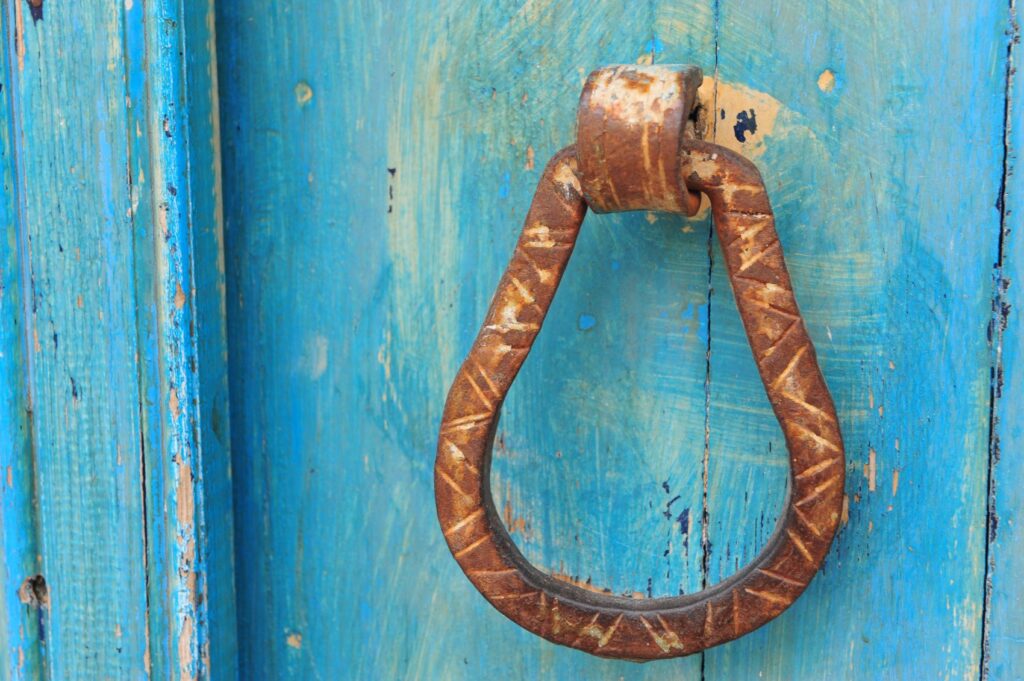
Photo: Eric Vancleynenbreugel
The medina of Tunis. It is undoubtedly one of the most beautiful and best preserved in the world. Founded in 698, it is one of the most remarkable examples of Arab-Andalusian architecture. From the kasbah, surrounded by grand palaces and mansions, to the Zitouna mosque (meaning «The Olive Tree»), bordered by the souks of the noble trades, each of its quarters vibrates to its own rhythm. A striking contrast between the bustle of the alleyways and what lurks behind the large, colorful doors adorned with black nails, where calm reigns supreme. Today, families still live in these dars peaceful, residential homes where life revolves around a refreshing patio. Some have become guesthouses, hotels or restaurants. A visit to the Bardo National Museum, with its exceptional collections of mosaics and archaeological finds recounting the history of Tunisia, will complete your visit.
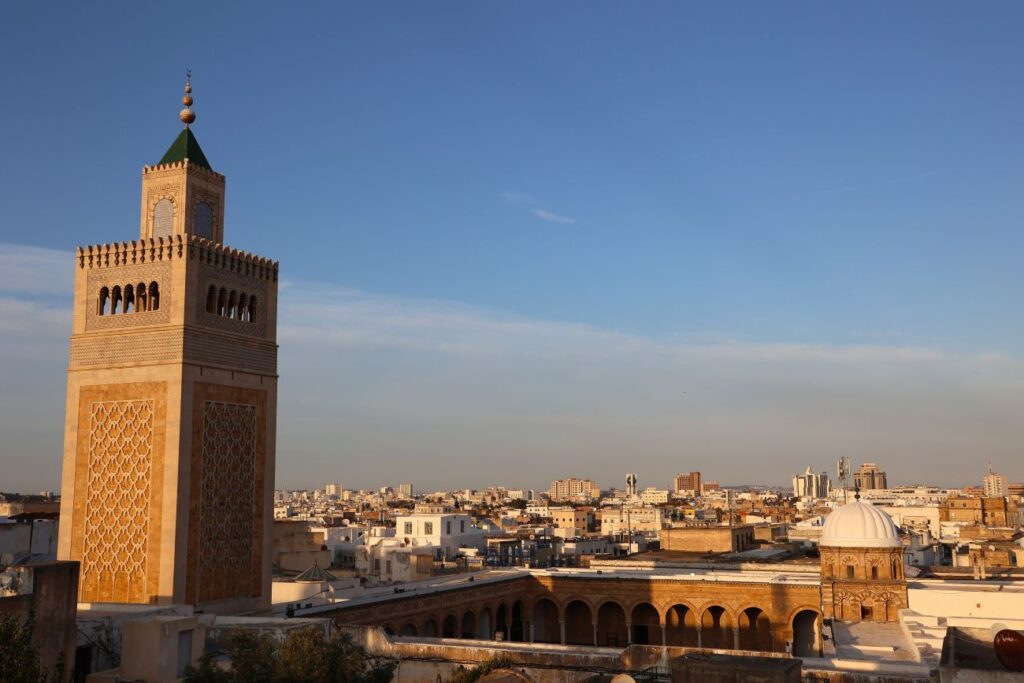
Photo: France Gavroy
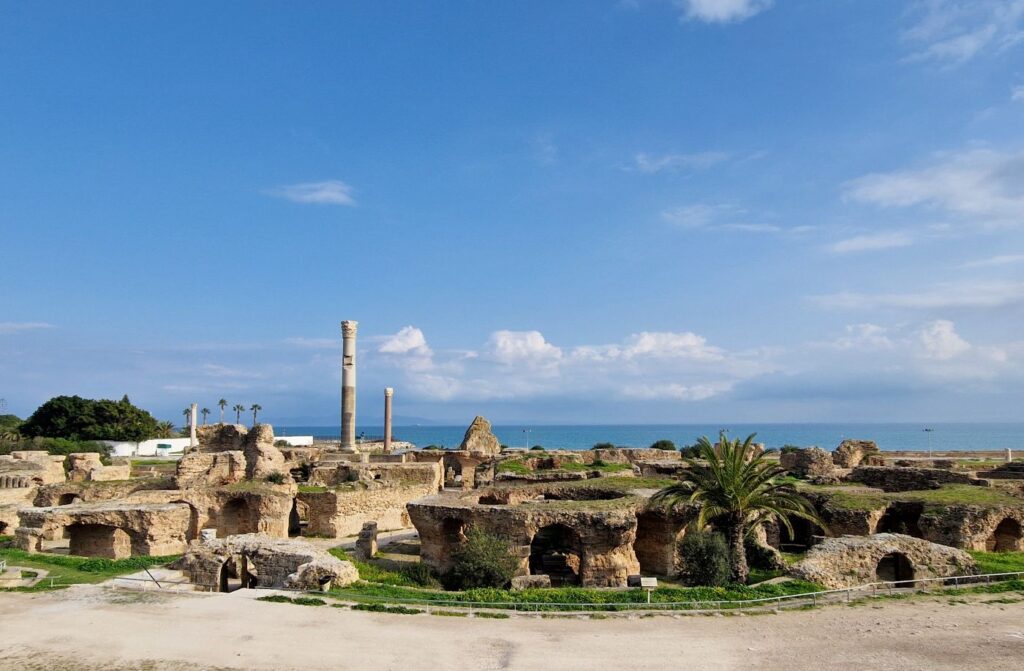
The archaeological site of Carthage. Truly mythical. Founded by the Phoenicians, the city flourished during the Roman period. Its remains are now scattered throughout the modern city: the Baths of Antoninus, the Byrsa hill and its Punic quarter, the Villa de la Volière with its beautiful mosaics, the Roman amphitheatre, the tophet (Punic sanctuary) and the Punic port, to name but a few.
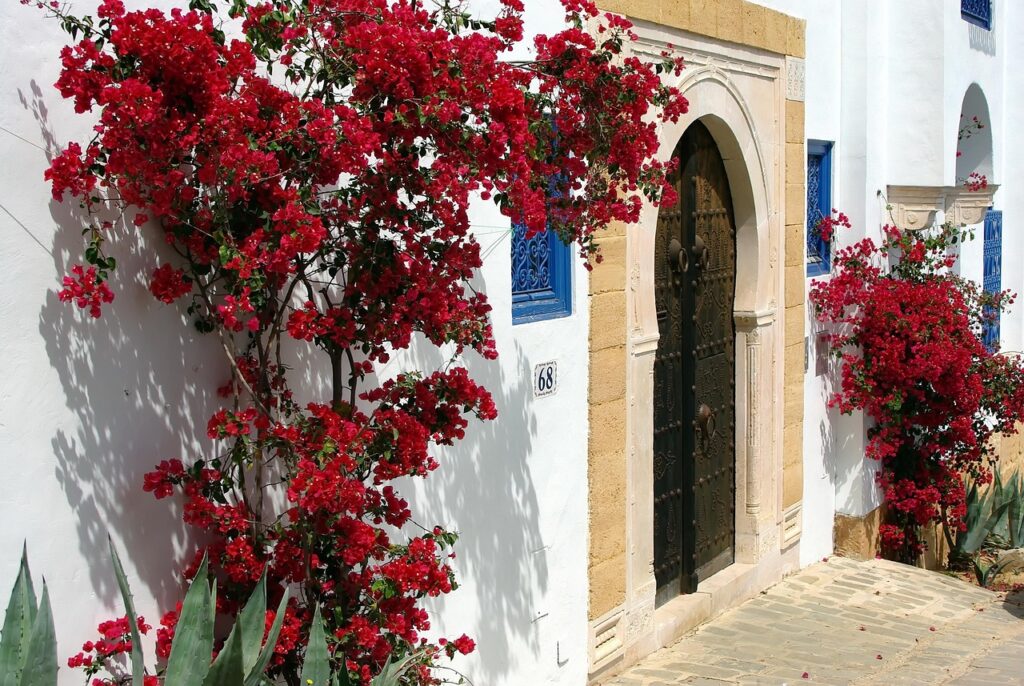
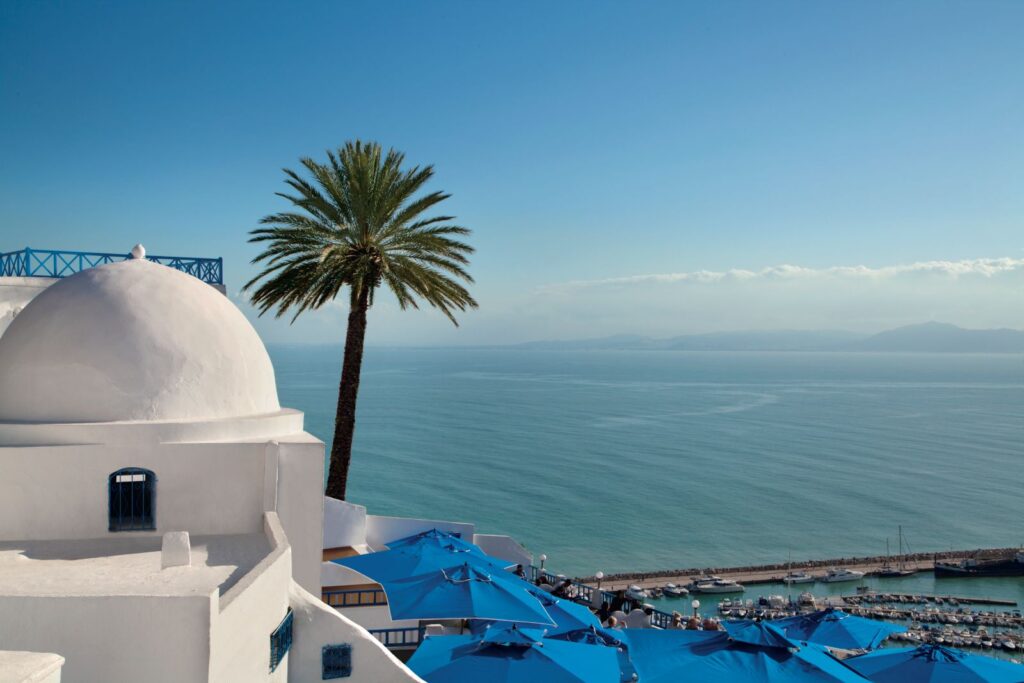
Nearby, the village of Sidi Bou Saïd is well worth a visit. Nicknamed the «little white and blue paradise» for the immaculate whiteness of its Arab-Moorish-style houses with their bright blue doors and windows, it has long been a magnet for artists. You can't help but be captivated by its ambience and beauty. Rumor has it that this haven of softness is soon to be classified by UNESCO.
El Jem amphitheatre. This monument is the third largest Roman amphitheatre in the world. And the largest in Africa. It could accommodate 30,000 spectators spread over 3 floors, according to social rank. The remarkably well-preserved arena and basements, with their cells and corridors, plunge visitors into the ruthless world of the gladiators. Don't forget to round off your visit with a visit to the El Jem archaeological museum, renowned for its remarkable mosaics and the Villa Africa.
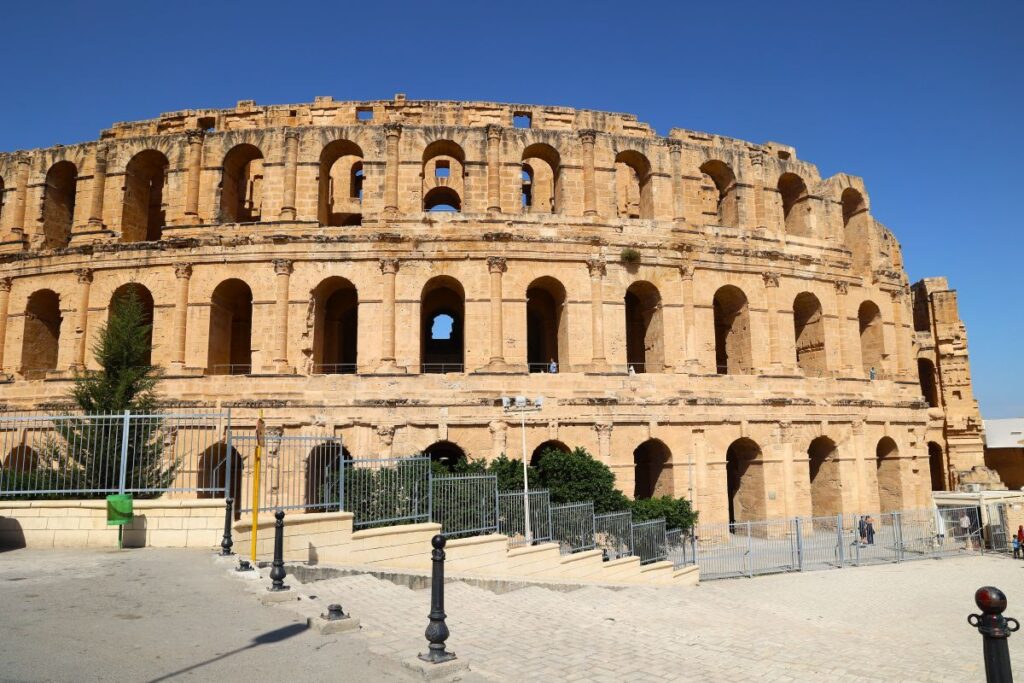
Photo: France Gavroy
Ichkeul National Park. Mountains, plains, lake... all biotopes that make this nature reserve particularly welcoming to many birds and wild animals. Its special feature is the lake which, depending on the season, is either salty or filled with fresh water, attracting a diversity of animal and plant species all year round.
The Kerkouane site. One of the most important Punic sites, and the only one not to have been altered by other civilizations. An opportunity to discover a real Carthaginian city, the life of its inhabitants and its necropolis, which has remained virtually intact since the 3rd century BC.
The medina of Sousse. Facing the sea, surrounded by imposing crenellated walls, it has retained all its defensive character. At the top, the kasbah (fortress) and its Khalef tower dominate the entire medina. Under its vast courtyard, the archaeological museum displays an impressive collection of artefacts, sculptures and mosaics. Strolling through the lively streets and souks, you'll come across the Ribat, Tunisia's oldest fortress, whose community of Sufi ascetics protected the city as early as the 8th century. Don't miss the Grand Mosque and the spectacularly domed Koubba Bin el-K'hauoi.
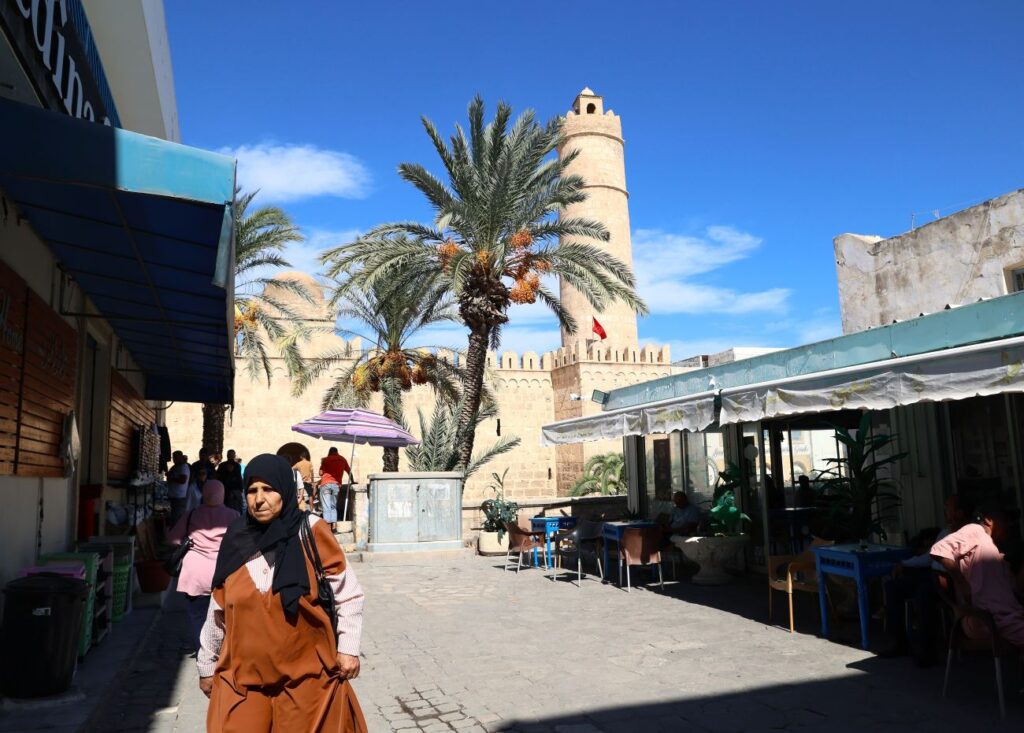
Photo: France Gavroy
Kairouan. Founded in the 7th century, it was the first holy city in the Maghreb and the fourth in the Muslim world. Its fortress-like grand mosque, a true masterpiece of Muslim art, opens onto a vast courtyard dominated by an imposing minaret. Its jewel is undoubtedly its vast prayer hall, adorned with a forest of 400 highly refined antique columns. Its medina is a soothing interlacing of white houses and blue doors. In the souks, you can discover a variety of crafts, including traditional carpet weaving.
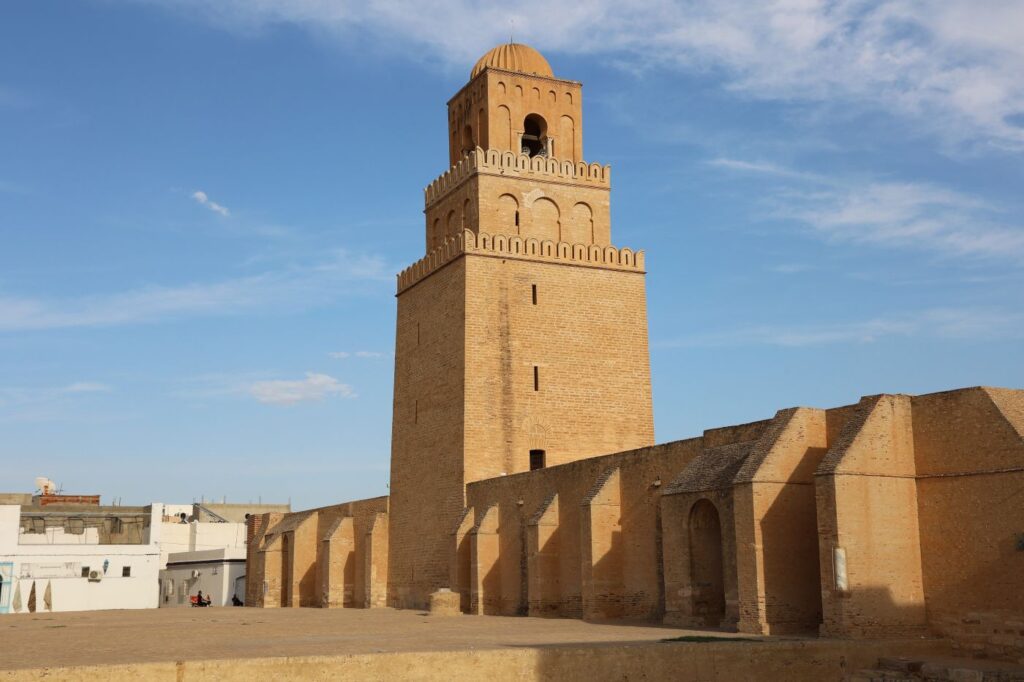
Photo: France Gavroy
The archaeological site of Dougga. Considered the best-preserved small Roman city in North Africa. From its Numidian roots, Dougga has preserved a large mausoleum, undoubtedly a royal funerary monument. But its main remains date back to Roman times: several temples, a very well-preserved theater, the Capitol, the forum, 3 thermal baths and many other buildings. A remarkable site.
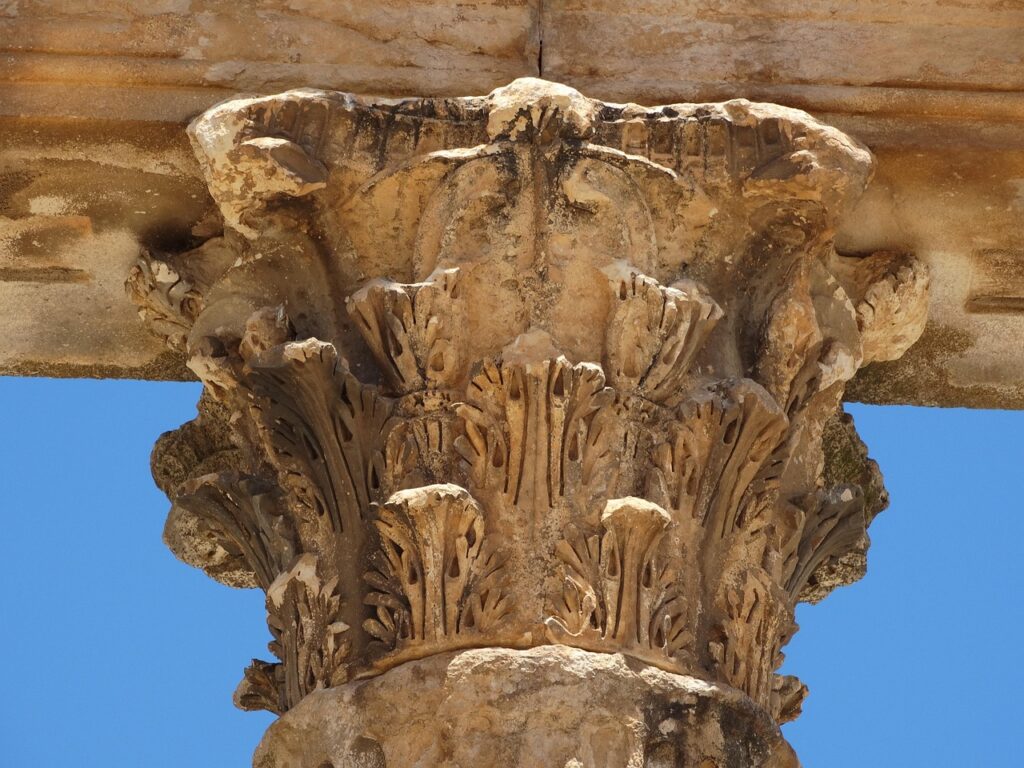
The island of Djerba. It has a rich and eventful history. From the Carthaginian and Roman eras, it has preserved a number of archaeological sites, including Meninx and Souk El Guebli and its Punic necropolis. One of the island's hallmarks is its mix of religious faiths: churches, synagogues (including the Ghriba, the oldest in Africa) and over 300 mosques respectfully coexist.
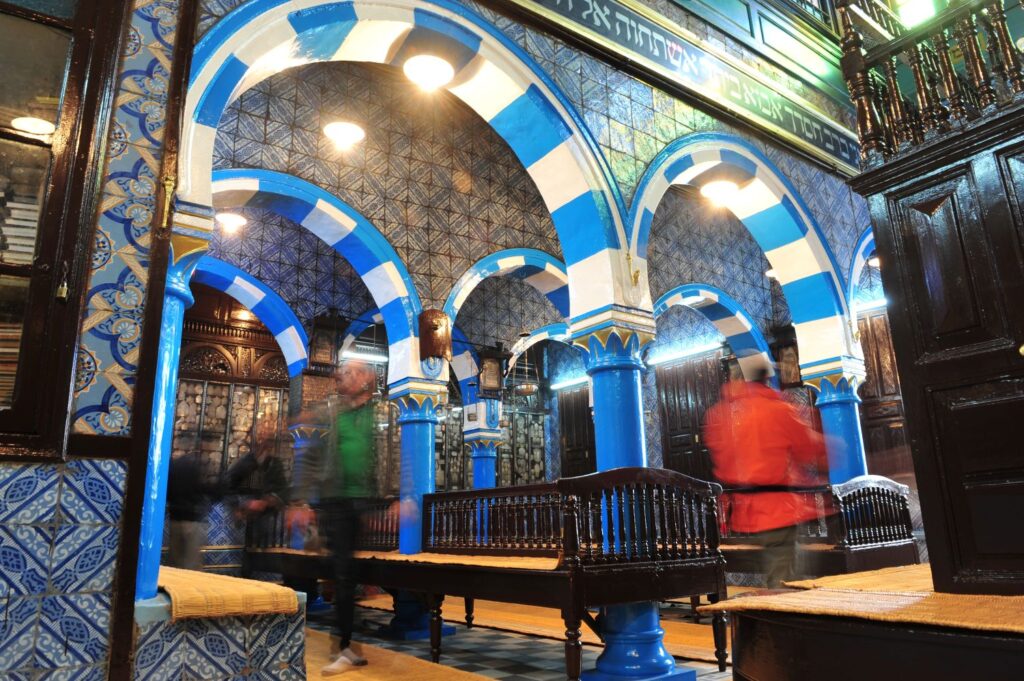
Photo: Eric Vancleynenbreugel
Its traditional island habitat, the houma (neighborhood) made up of menzels (family estates) that include several houchs (housing units) linked together, often had an agricultural or artisanal vocation, enabling them to live independently. This is how houmas had their own wells and sometimes their own mosques, which also served as a warning in case of attack. It's one of the astonishing heritages of this island of many curiosities.
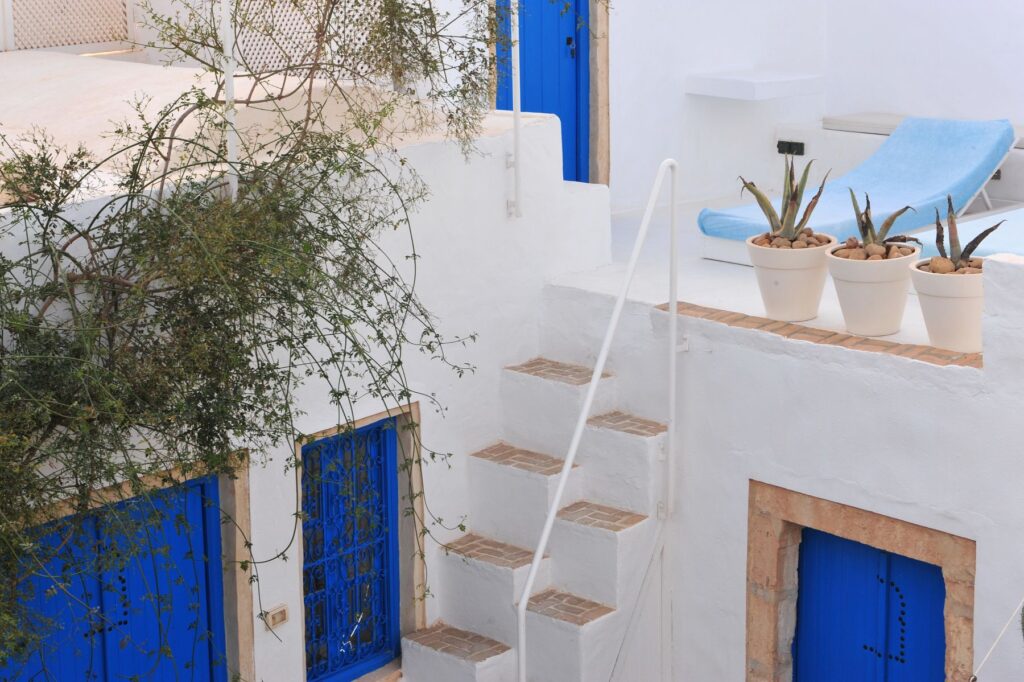
Photo: Eric Vancleynenbreugel
To indulge in the pleasures of well-being
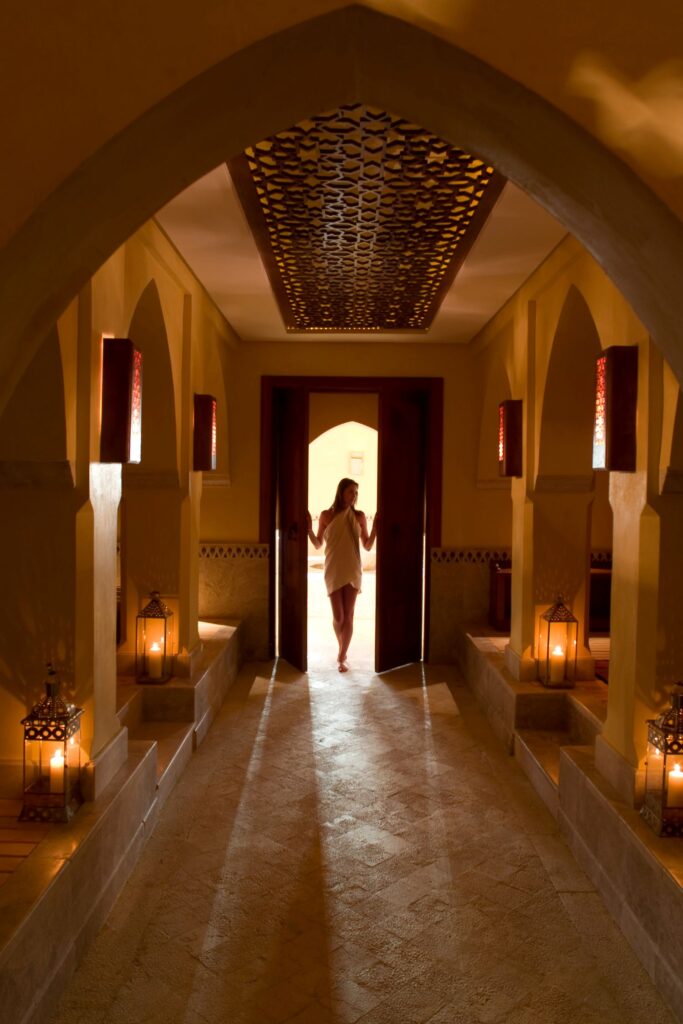
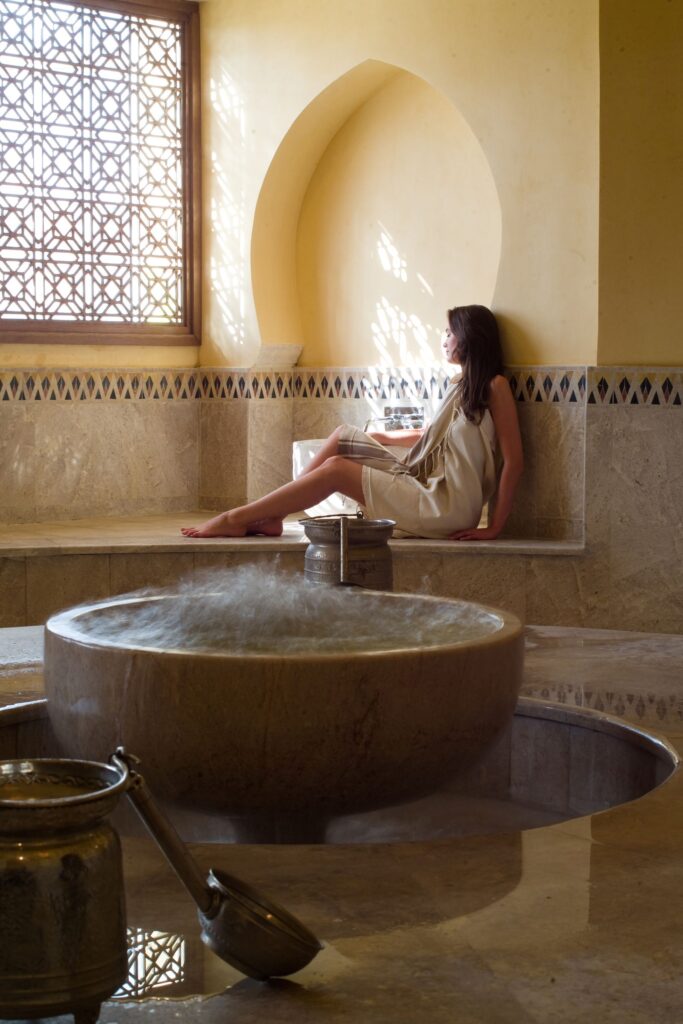
From Roman thermal baths to traditional hammams, well-being has always played a major role in Tunisia. What could be more pleasant than pampering yourself when the weather turns milder here? The proximity of the sea and the benefits of its waters have made Tunisia one of the leading destinations for thalassotherapy. Nearly 60 centers nestled in grand hotels along the coast offer tailored, soothing treatments.
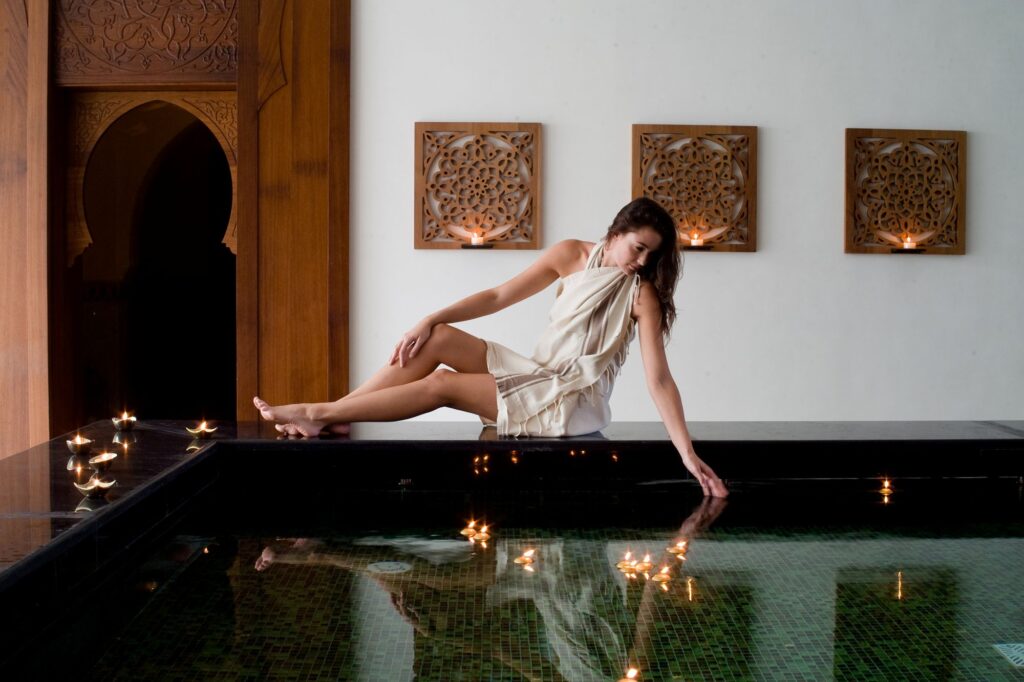
Here's a tip: try the hammam ritual with traditional green soap scrub, seaweed wrap, essential oil bubble bath or simply one of the many relaxing massages offered at each address. And why not all of them? Most centers have a medical team ready to advise on the benefits of the treatments on offer, and those best suited to the traveler's wishes. The perfect way to recharge your batteries while enjoying a seaside holiday. Tunisia also boasts a number of spas offering freshwater treatments.
To perfect your swing
Would you like to hit the green in the middle of winter when conditions are no longer favourable back home? Here again, Tunisia has the answer. Golfers can choose from 9 golf courses spread from north to south, often by the sea. Their layouts have been designed by renowned architects to create true championship courses. Most of them are close to tourist attractions and a wide choice of accommodation and activities. Some are within walking distance of the green, while others offer shuttles or a dedicated desk.
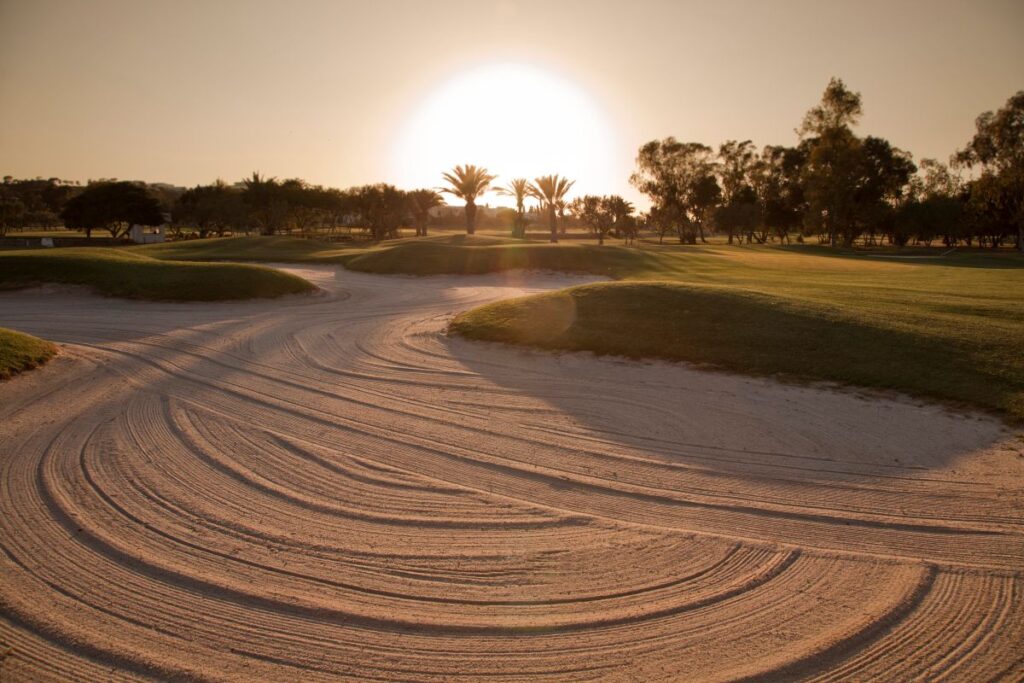
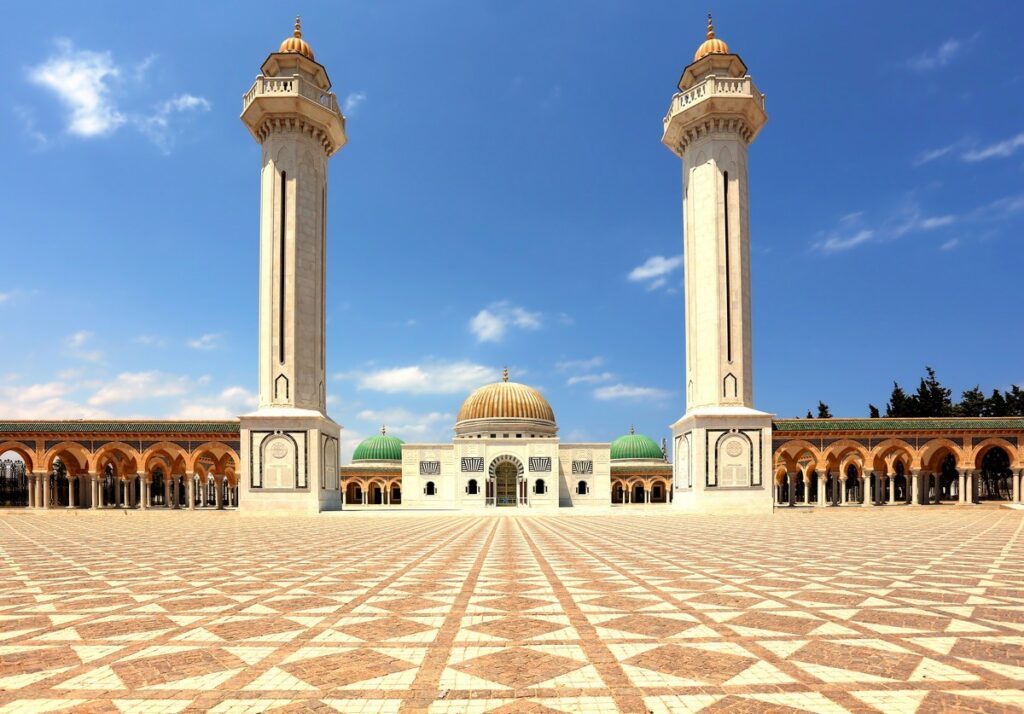
Even better: some hotels offer a complete stay combining golf, thalassotherapy and cultural discoveries. Royal Thalasso Monastir is a perfect example. This 5-star hotel boasts one of the finest spas in Tunisia, Royal Elyssa Thalasso & Spa where Dr Khadraoui and his team offer the very best advice. They even offer a treatment program for golfers! Golfers who have a choice of 3 golf courses: Palm links, designed by architect Chris Pitman. Set on the shores of the Mediterranean, this 18-hole course is designed for players of all levels; the Flamingo, designed by Ronald Fream, is a more technical 18-hole course set in a sea-view landscape adorned with thousand-year-old olive trees. As for the El Kantaoui, Also designed by Ronald Fream, it offers a panoramic view of the resort of Port El Kantaoui. It features 2 18-hole courses with numerous technical challenges. Want to get away from it all without suffering from the heat? You can stroll through the port of El Kantaoui, with its flower-filled houses and numerous restaurants, wander through the medina of Sousse - a UNESCO World Heritage site - or discover the town of Monastir, birthplace of Habib Bourguiba, Tunisia's first president. He is buried in a mausoleum built during his lifetime. Several members of his family are also buried there, including his first wife Mathilde. Facing the sea, Monastir's Ribat is one of the country's oldest and most important fortresses. It also houses a museum of Islamic arts.
To savour the Tunisian table
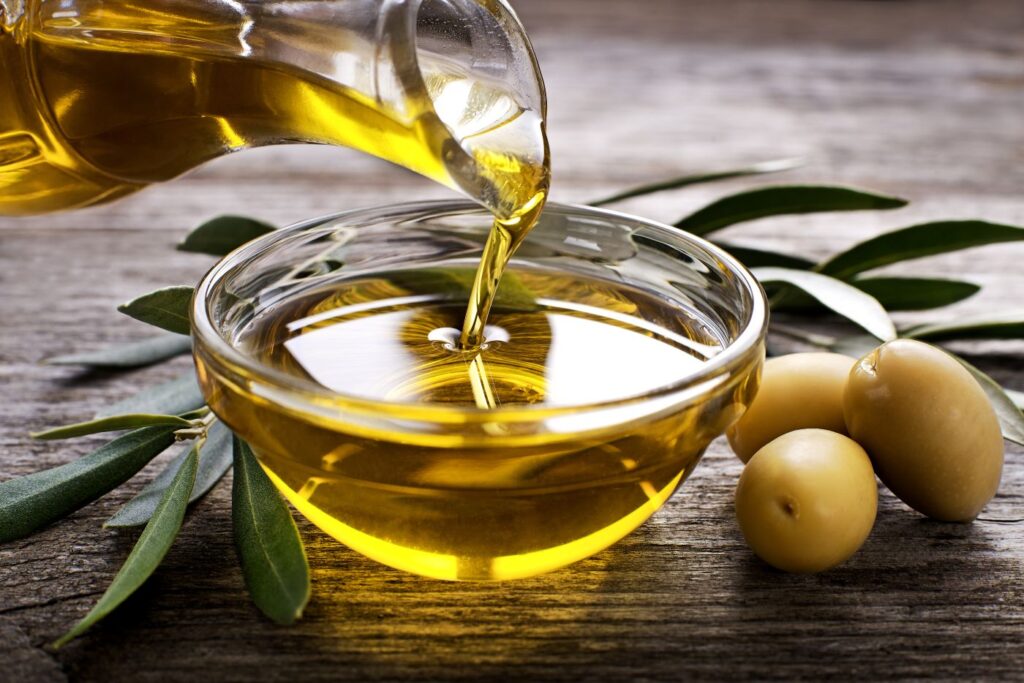
It's often said that gastronomy is another way to travel. In Tunisia, every dish is a declaration of identity. The country is proud of its gastronomic heritage, which blends age-old heritage with contemporary audacity, making the Tunisian table a veritable cultural manifesto. Already the leading supplier of olive oil to the Roman Empire, the quality of this liquid gold is well established. Enjoy it on bread or with harissa. This paste made from red chillies, garlic and spices has recently been listed as one of humanity's intangible cultural heritage sites, and adds a delicate touch to any dish.
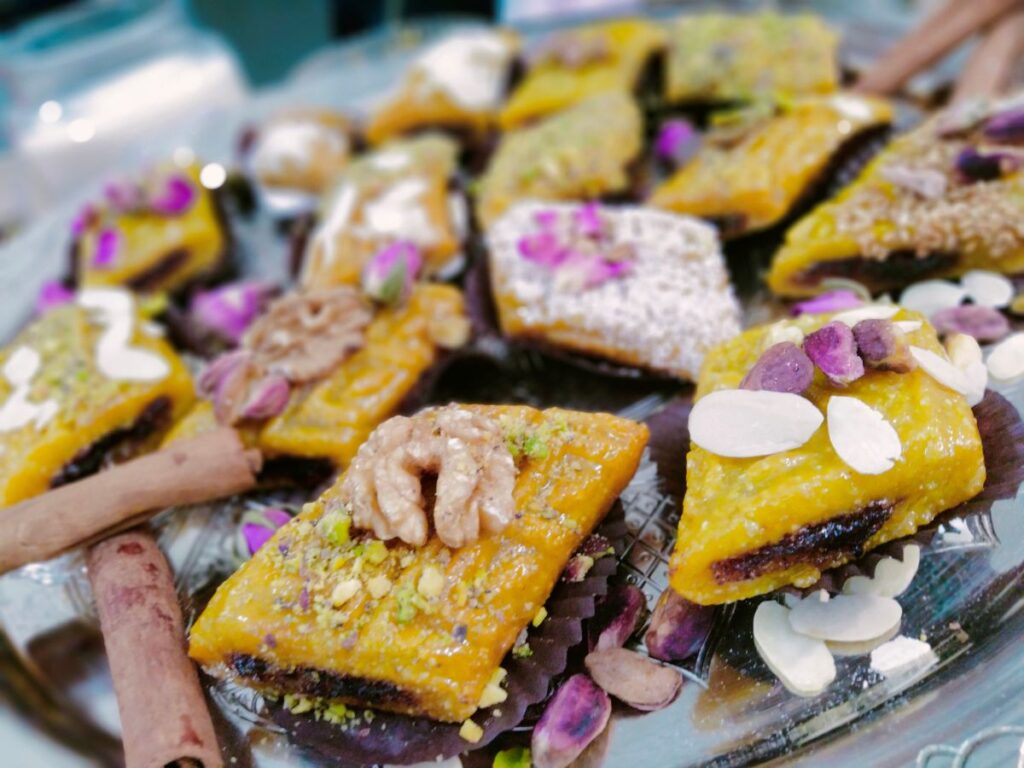
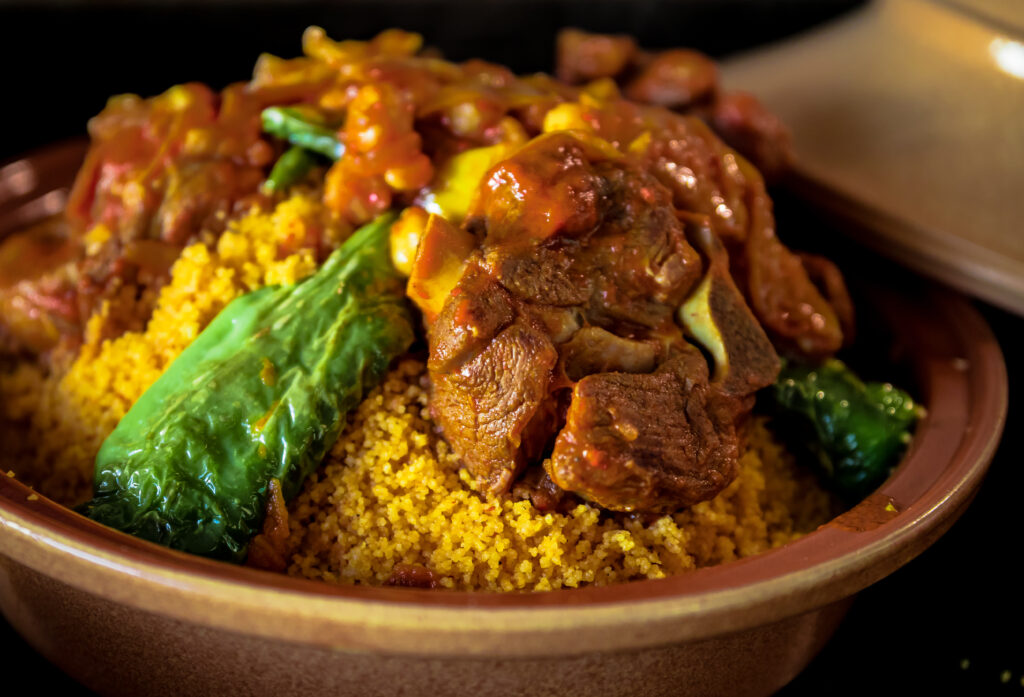
While couscous remains an emblematic dish on the Tunisian table, nouasser - a kind of small square pastry - with chicken is a nice alternative. Then there's brick, a thin puff pastry often filled with meat, fish or egg. The méchouia salad, made with peppers, tomatoes and onions, often topped with tuna, is a delicious starter. The Tunisian tajine is quite different from that of its neighbors. It's more like a thick, spicy omelette. There are many other meat and fish specialties, as well as octopus. Tunisian wines can also be quite surprising. And finally, you can't leave Tunisia without discovering makroudh, a sweet stuffed with date paste and scented with orange blossom, a specialty of Kairouan, where you can even make your own at Madame Halima Barrack's, the city's most famous patisserie.
Tunisian gastronomy in Brussels
Tunisian gastronomy is well exported: on December 4, the Tunisian Embassy in Brussels, in collaboration with the Office National du Tourisme Tunisien and the Sofitel Bruxelles-Europe hotel, hosted a gastronomic evening that was well attended. In charge of the kitchen, chef Mounir Arem of the restaurant ‘Le Baroque’ had travelled all the way from Tunis. The subtle flavors of his delicately revisited dishes proved that Tunisian gastronomy is among the very best. In his speech, His Excellency Ambassador Sahbi Khalfallah also emphasized the record harvests and quality of Tunisian olive oil, which has won numerous international awards.
Carnet de voyage :
Our addresses :
A MonastirHotel Royal Thalassa Monastir. A 5-star hotel on the beach with a thalassotherapy center (www.royalelyssa.com), swimming pools and restaurants (www.thalassa-hotels.com).
A TunisDar Ben Gacem. A boutique hotel in the heart of the medina. Dinner by prior arrangement (www.darbengacem.com).
A KairouanDar Abderrahman Zarrouk, rue Mohamed Bouhaha, Houmet Ejjama, La Médina de Kairouan. Located in an Arabo-Moorish-style house, this restaurant is renowned for its traditional cuisine.
A Port El KantaouiLa Daurade. In the port, an excellent address for seafood.
A Sidi Bou SaïdLa Villa Bleue. Tastefully decorated 5-star hotel, restaurant and spa in the heart of the village (www.lavillableuesidibousaid.com).
Formalities A passport valid for 3 months after the date of return. No visa is required for stays of less than 90 days. A hotel reservation is required.
How to get thereTunisair operates up to 6 flights a week, averaging 2h35 depending on the season, from Brussels to Tunis, averaging 2h35 (www.tunisair.com).
More info Office National du Tourisme Tunisien, avenue Louise,162, 1050 Brussels, tel: +32 (0)2 648 30 78, www.discovertunisia.com; www.explore-tunisia.com/be-fr; www.explore-tunisia.com/be-nl. Insta: www.instagram.com/discover_tunisia.be.
Photo: France Gavroy
