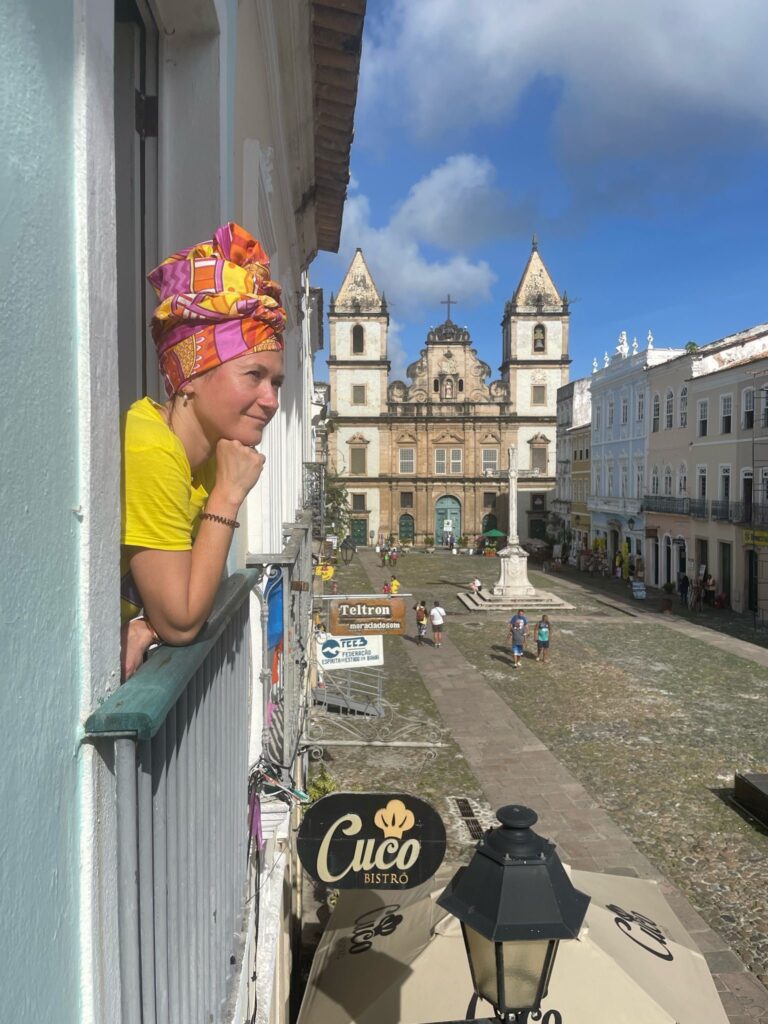
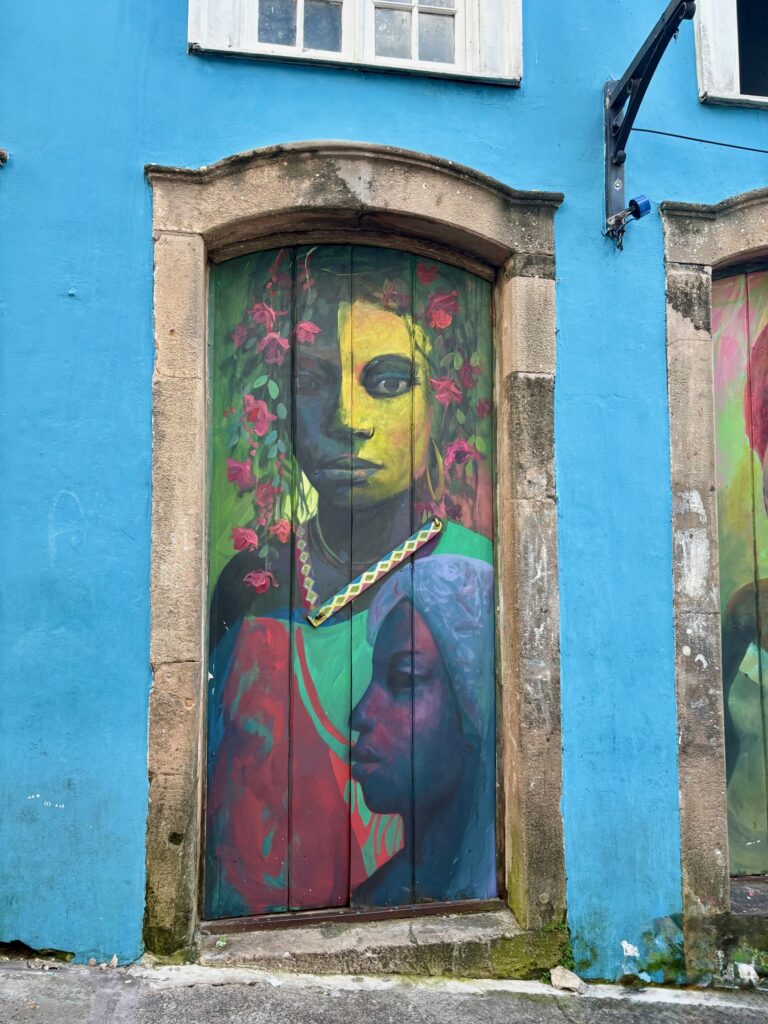
To visit Salvador de Bahia is to plunge into a city where every street, every smile, every note of music tells a story. Between spirituality, music, history and sensuality, it embodies the raw, resilient beauty of the Brazilian people.
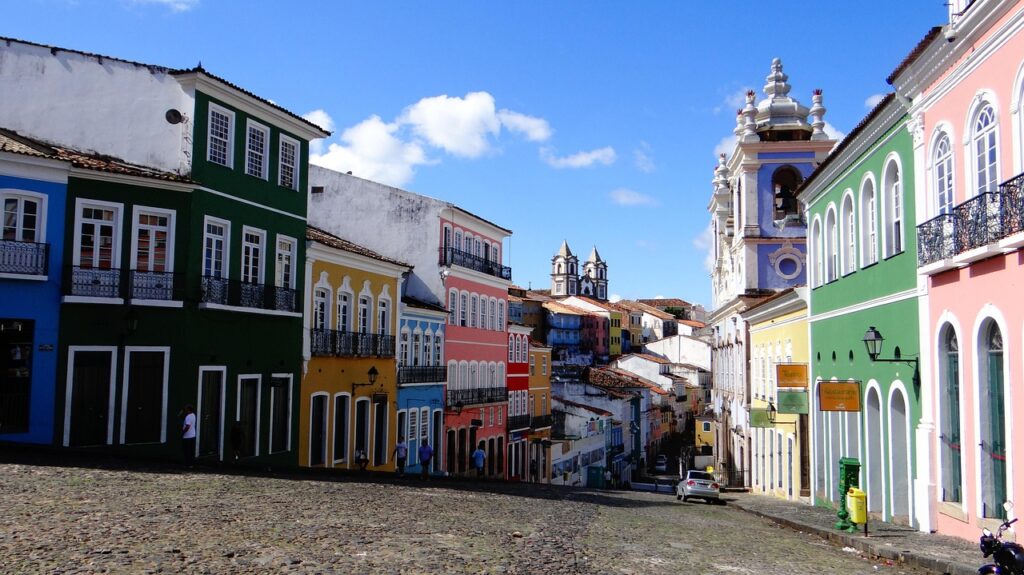
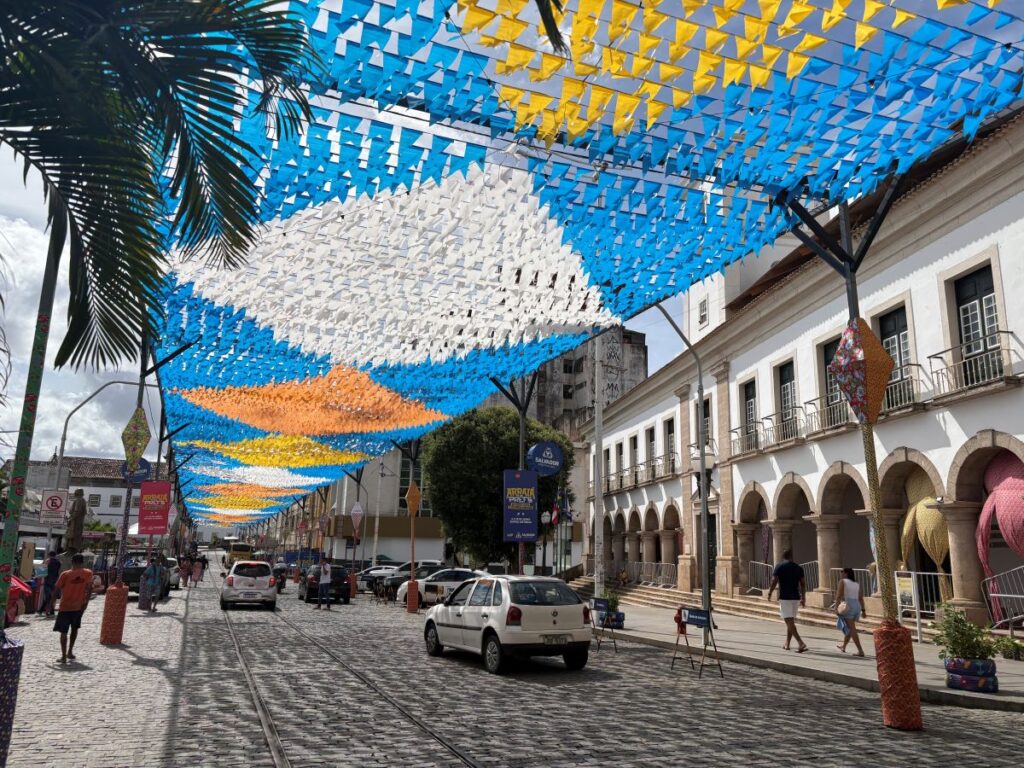
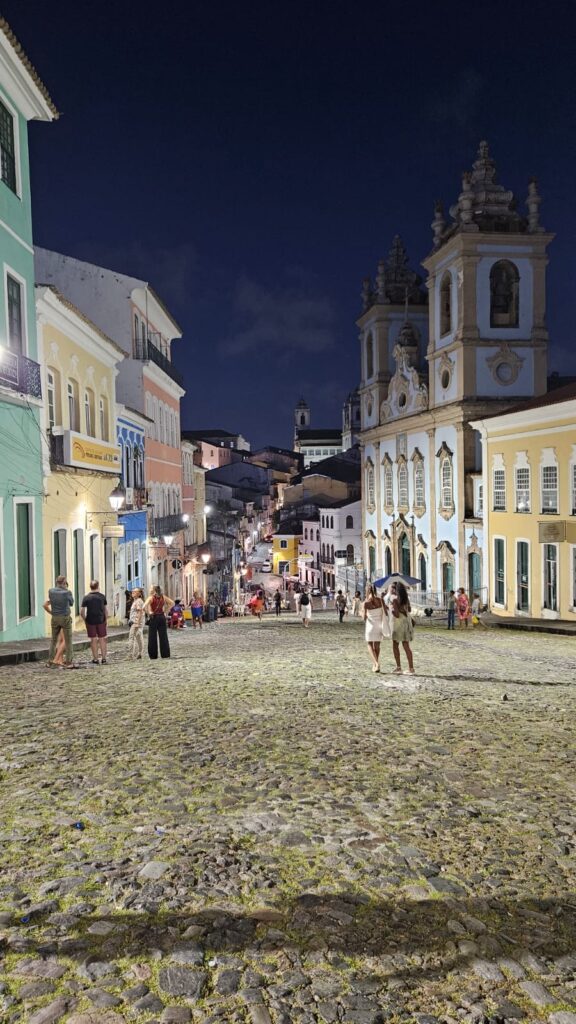
As soon as you land at Deputado Luís Eduardo Magalhães airport, the warm, salty Atlantic air envelops you. The journey to the city center reveals a city of contrasts. Arriving at the Pelourinho, The journey takes on a whole new dimension in the UNESCO-listed historic heart of the city. Pastel facades, wrought-iron balconies, irregular cobblestones... everything seems frozen in time, yet vibrant with an infectious energy. You're truly gripped by an explosion of color, sound and fragrance. Here, every stone seems to bear the memory of a colonial past that was often painful, but also foundational.
A clash of colors and sounds
In those days, explorers used to name new settlements after saints. But Salvador Bay is so vast and impressive that it was decided to name it Bahia de Todos os Santos, the Bay of All Saints. Brazil's modern history began here in 1501, when Amerigo Vespucci set foot here and, a few years later, the first Portuguese colony was established. Salvador then prospered with the cultivation of sugar cane and became the country's first capital. For centuries, too, slaves were unloaded from Africa in this port, giving the destination its distinctive character.
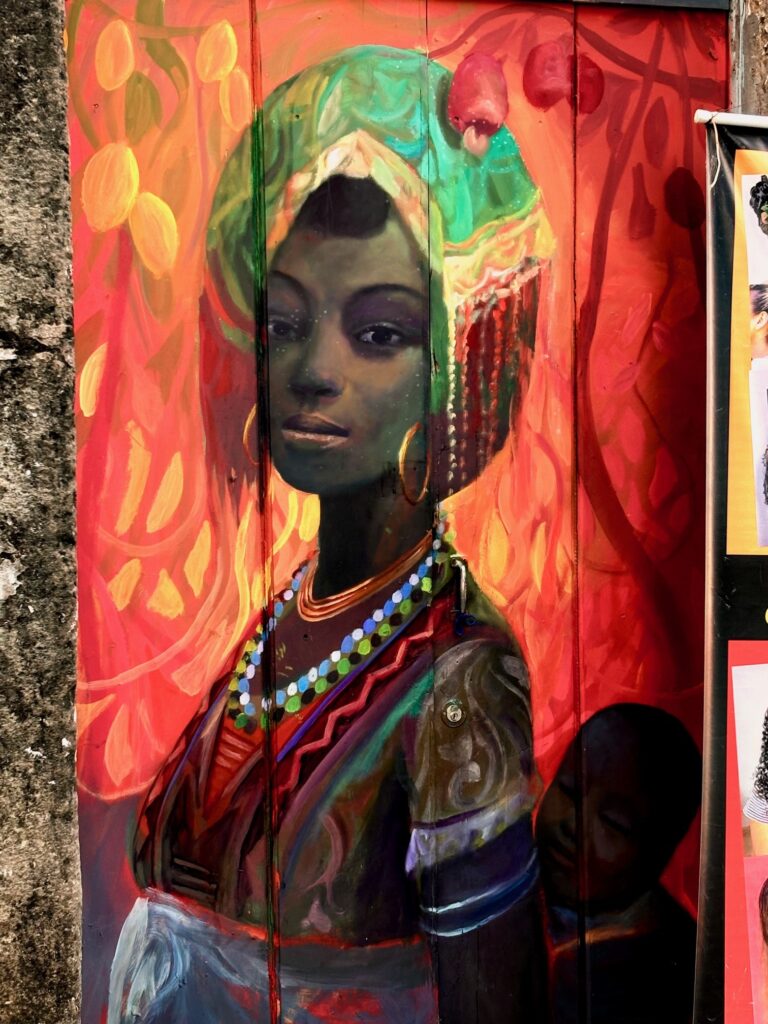
Encounter with the Afro-Brazilian soul
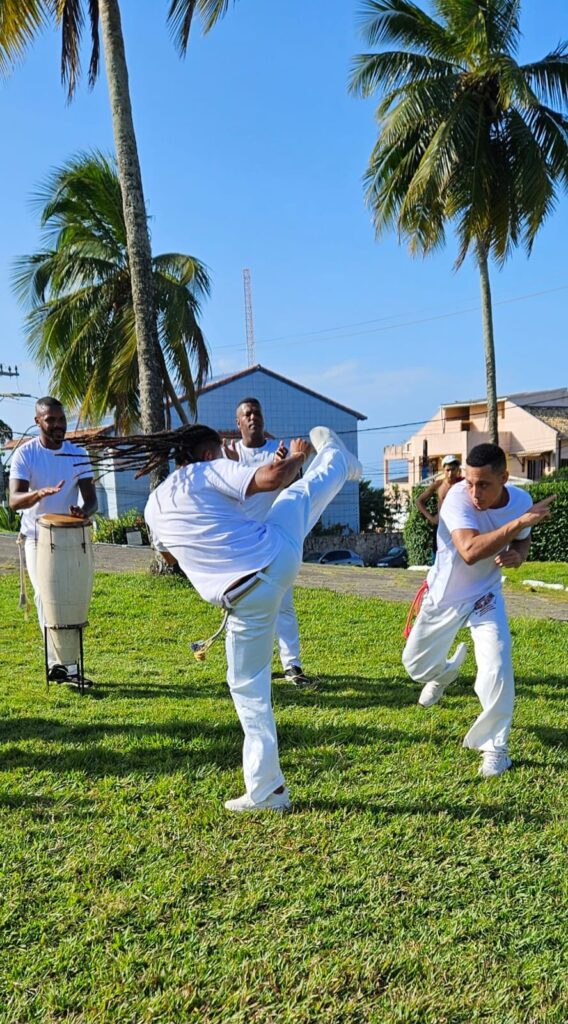
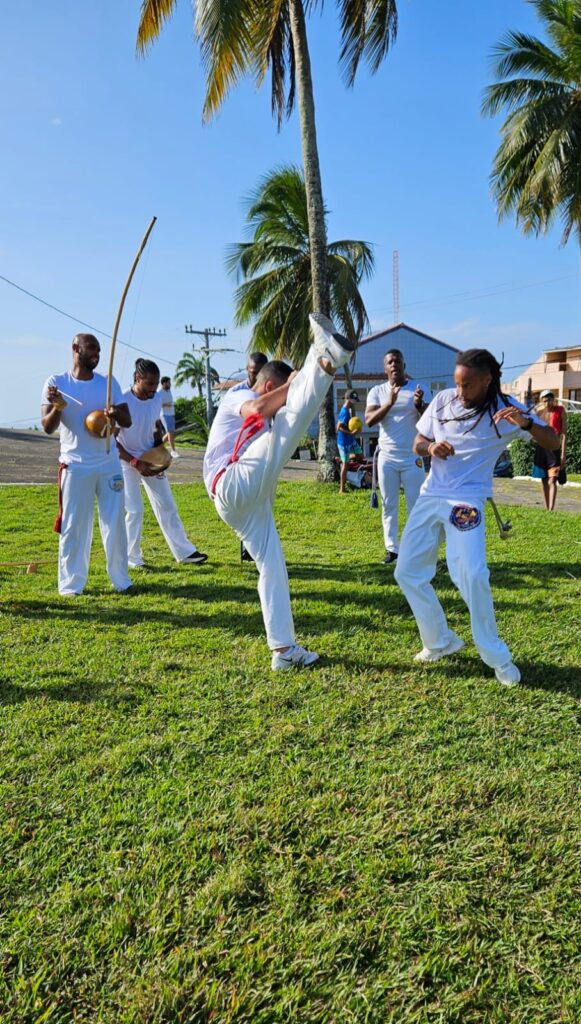
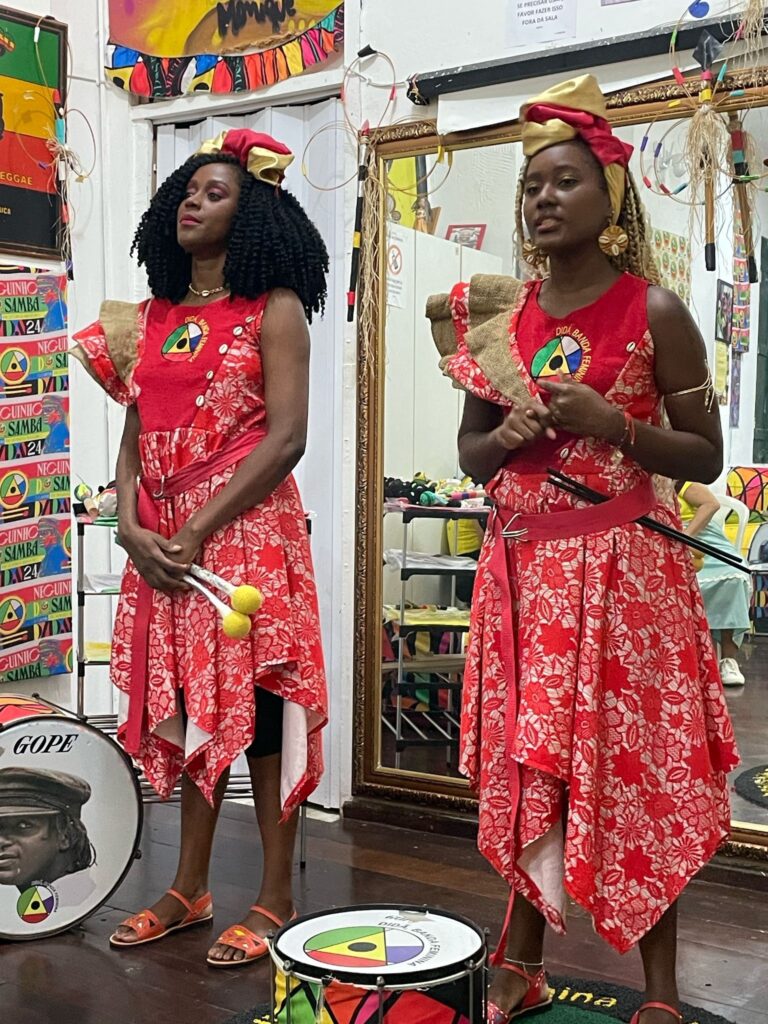
Salvador is the cradle of Afro-Brazilian culture. Here, African roots are not hidden: they are celebrated. Firstly, through the capoeira, capoeira, a cross between dance and martial arts that has become one of Brazil's symbols. As one of its masters points out during a demonstration, «capoeira has always represented our resistance, our art and our freedom». For centuries, it was one of the only ways for deportees to express themselves. You can attend training sessions and demonstrations at several of the city's schools. But we also recommend attending the night show of the Bahia Folk Ballet (Miguel Santana de Pelourinho). It's truly impressive: bodies twirl, drums resound, songs soar. There's a unique atmosphere that can only be found in this Brazilian city.
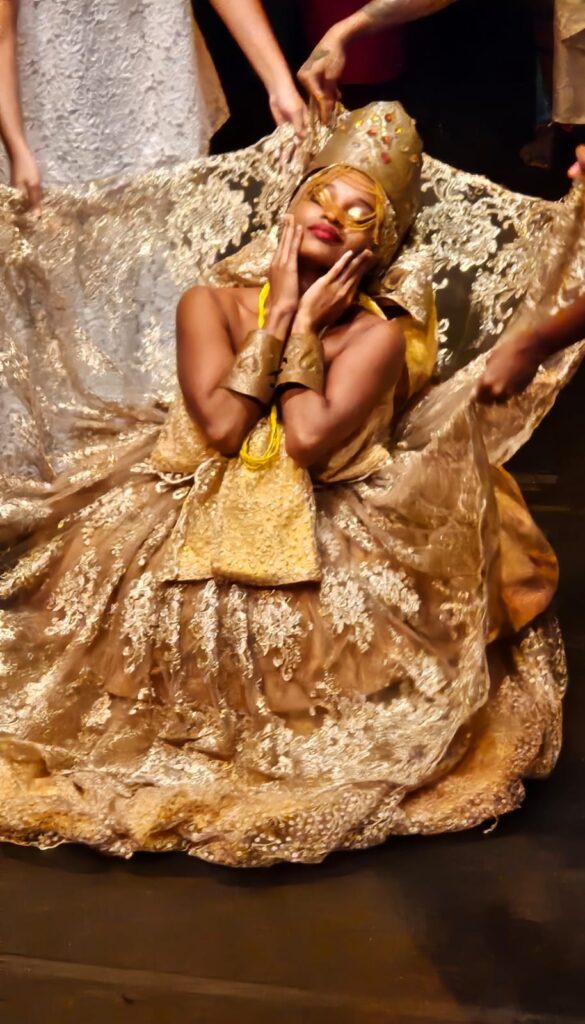
The other aspect of this mixed culture is the candomblé, a belief that blends Christianity and African rites. In this atypical form of spirituality, the orixás - African deities - are honored in a mystical trance. The songs, dances and offerings are imbued with mystery and respect. This fusion of African beliefs and Catholicism profoundly shapes the city's atypical identity.
Carnival, a collective trance
And then of course there's the carnival. The only difference is that in Salvador de Bahia, Carnival isn't something to watch: it's something to dance to. Unlike Rio, here everyone mingles, and the festivities take place in the streets, as close to the people as possible. trios elétricos - sound trucks - and jubilant crowds. The music comes from everywhere, but it's mainly the percussion that makes the floor vibrate, and the dancers that electrify the crowd.
Bahia in flavors and scents
Bahian gastronomy is a journey in itself. And it can be tasted just about everywhere, starting in the street. In a busy square, a Bahian woman in traditional dress serves a acarajé crispy, garnished with shrimp and bean paste. The taste is powerful, spicy and unforgettable. To bring a little of this culinary culture home, several addresses offer cooking classes. And you can't go to Brazil without treating yourself to a meal of grilled meats in a churrascaria. And without strolling through the colorful markets. At the São Joaquim market, stalls overflow with tropical fruits, fish and spices, in a warm, authentic atmosphere. Salvador de Bahia is not a frozen postcard. It's a city that pulsates, that struggles, that sings. A place where the painful history of slavery has given birth to a flamboyant and resilient culture.
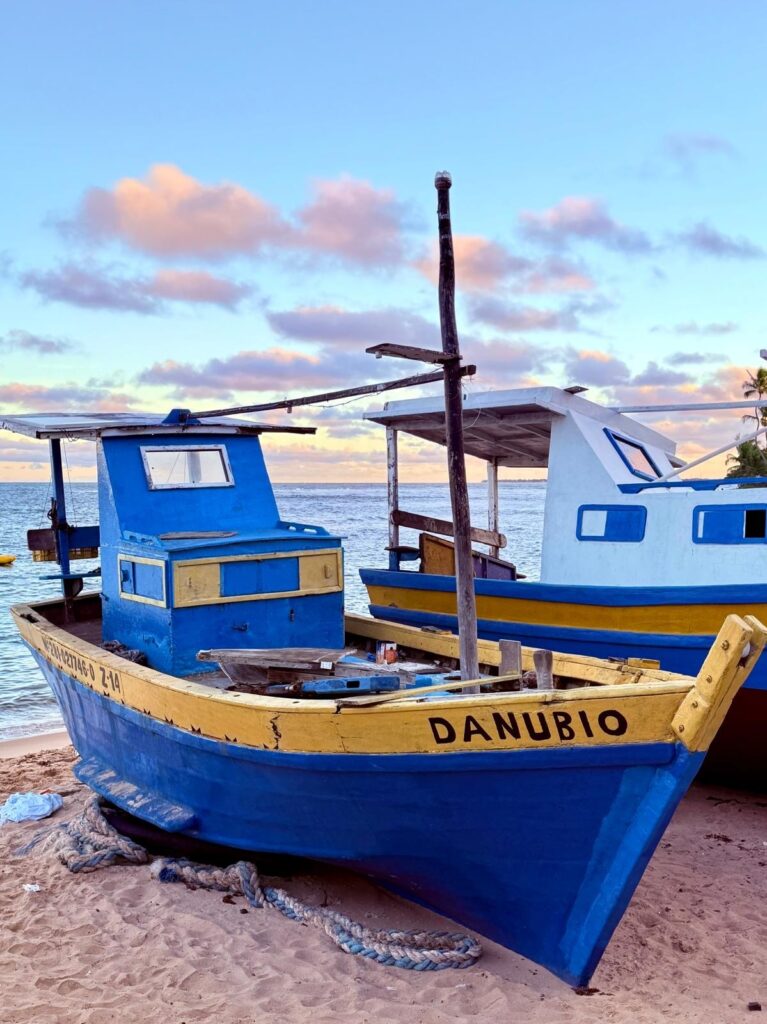
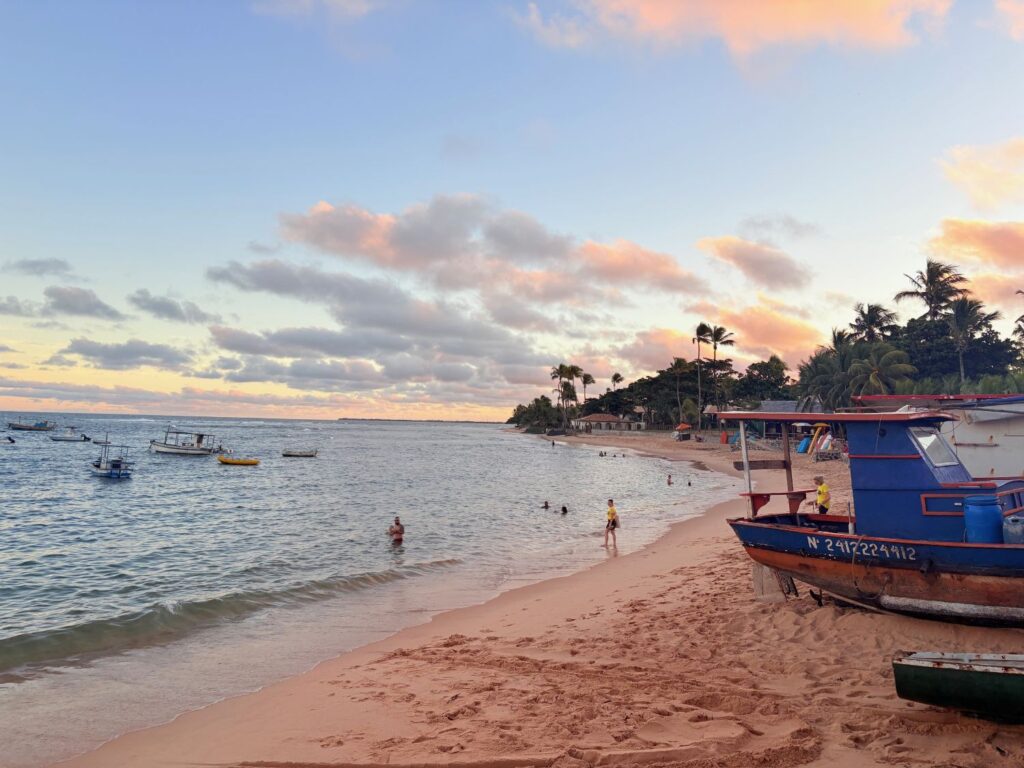
Sunset over Praia do Forte
Of course, Salvador also has its beaches, like the one at’Itapuã, made famous by the songs of Vinicius de Moraes. Warm sand, coconut palms and gentle waves offer a suspended moment, facing the immensity of the ocean.
Continuing the route 70 km to the north, heading for Praia do Forte. This former fishing village is a wonderful retreat from the hustle and bustle of the city. Sandy beaches, lots of pousadas and, when the sea retreats, you can swim in the natural pools that form small turquoise lagoons. You can also go whale watching at sea. On land, the nature reserve invites you to go canoeing on the river. You can also explore the area on quad bikes, or take off on a paragliding flight...
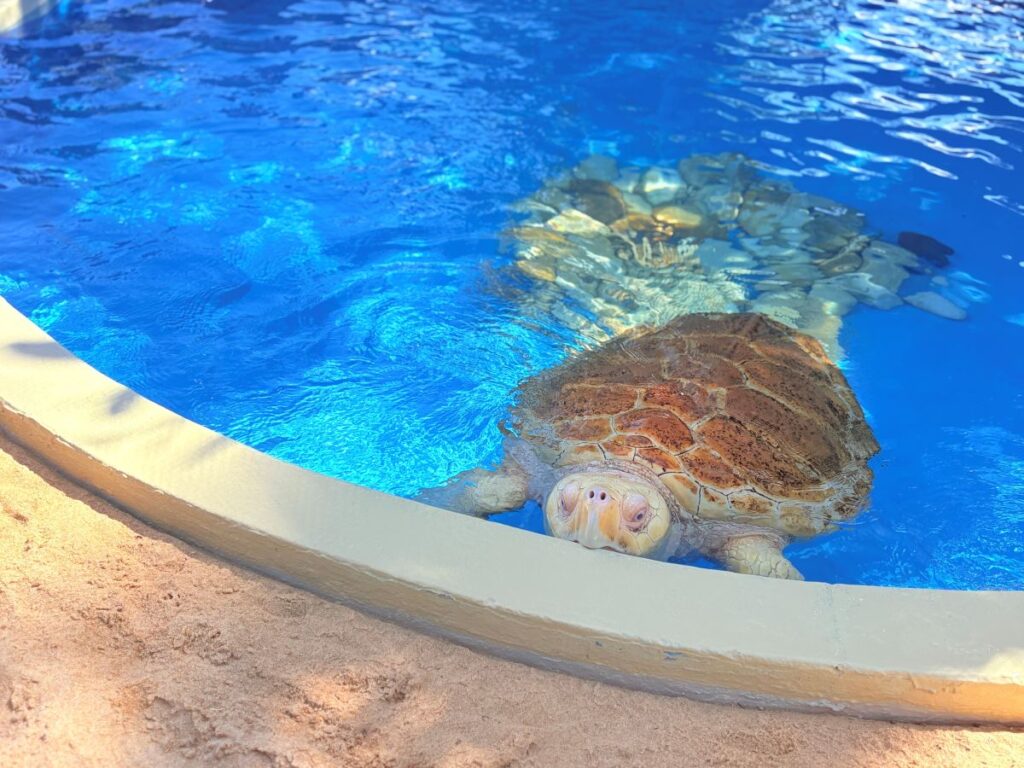
But the other must-see discovery at Praia do Forte is a magnificent ecological project: Projeto Tamar, is dedicated to the protection of sea turtles, which breed in large numbers on the Brazilian coast. To date, more than 4 million of these fascinating animals have been rescued by the 22 centers. Tamar in the country. Praia do Forte is one of the oldest. Here you can observe 5 species of turtle being cared for in large tanks.
5 must-sees in Salvador de Bahia :
- São Francisco church and convent masterpieces of Baroque art, these 18th-century religious buildingse century are renowned for their liturgical ornaments, statues and furnishings.
- Itaipava Arena Fonte Nova The stadium has hosted the Olympic Games, World Cup soccer matches and concerts.
- Ponta do Humaitá on a romantic jetty that plunges into the bay, a lighthouse and a 16th-century church.e century and a few colonial houses. A magical place to enjoy a sunset and spectacular views over the city.
- Elevador Lacerda This elevator, built in the 19the century takes you to the top of a tower for a breathtaking view of the city and ocean.
- Mercado Modelo This vast covered market in the port is full of souvenirs to bring back home.
Air Europa, direct to Bahia
We were transported by Air Europa (SkyTeam alliance) from Brussels Airport. With its dense network of transatlantic routes, Air Europa acts as a bridge between Europe and Latin America. It operates four weekly flights to Salvador de Bahia from Brussels, Paris and many other European cities via Madrid. Services are operated by comfortable, new-generation Boeing 787 aircraft. On board, a choice of two classes (business and economy), meals and beverages, a wide selection of entertainment and Wi-Fi connection (at an additional cost).
Air Europa also offers flights to São Paulo to start a tour of Brazil, visiting the classics: Iguaçu, Rio de Janeiro & Salvador de Bahia. Once in Salvador de Bahia, you can of course extend your stay in Praia do Forte. www.aireuropa.com.

Diamond Lounge, a welcome stopover before your flight
Brussels Airport boasts several relaxing and luxurious lounge areas. Located in the Schengen destinations section, the Diamond Lounge is brightly lit and offers a breathtaking view of the slopes. There's nothing better than waiting for your flight with a delicious Belgian beer, a glass of wine... and choosing from a selection of fresh culinary delights, then indulging in the best Belgian chocolate.
And did you know about these packs offered by the airport? Firstly, the ‘chill pack’, which allows you to skip the security queue and then grab a bite to eat before your flight. Then there's the comfort pack, which not only gives you access to the fast lane at security checkpoint, but also lets you relax in the lounge afterwards.
Information and reservations: https://shop.brusselsairport.be.

Sudamerica Tours: tailor-made experiences
On site, we travelled with Sudamerica Tours. A specialist in Latin American destinations for over 35 years, this tour operator knows them like the back of its hand. tailor-made experiences, These tours are carefully designed by specialists who know every corner of the countries they visit. Our staff return regularly to fine-tune tours, select the best accommodation and guarantee authentic cultural immersion.
Brochures and reservations in travel agencies, info on www.sudamericatours.be.