
Dense forests, lunar landscapes, colonial towns, Saharan dunes, volcanoes, sandy beaches... You can find almost everything on this Atlantic archipelago. There are seven of them in all, little crumbs of Spain scattered just a stone's throw from the Sahara. All different. It's up to you to choose yours!
By Eric Vancleynenbreugel
La Palma, the hairy island
For whom?Looking for a change of scenery? If you want to stay in Europe and feel like you're already on the other side of the Atlantic, you've come to the right place.
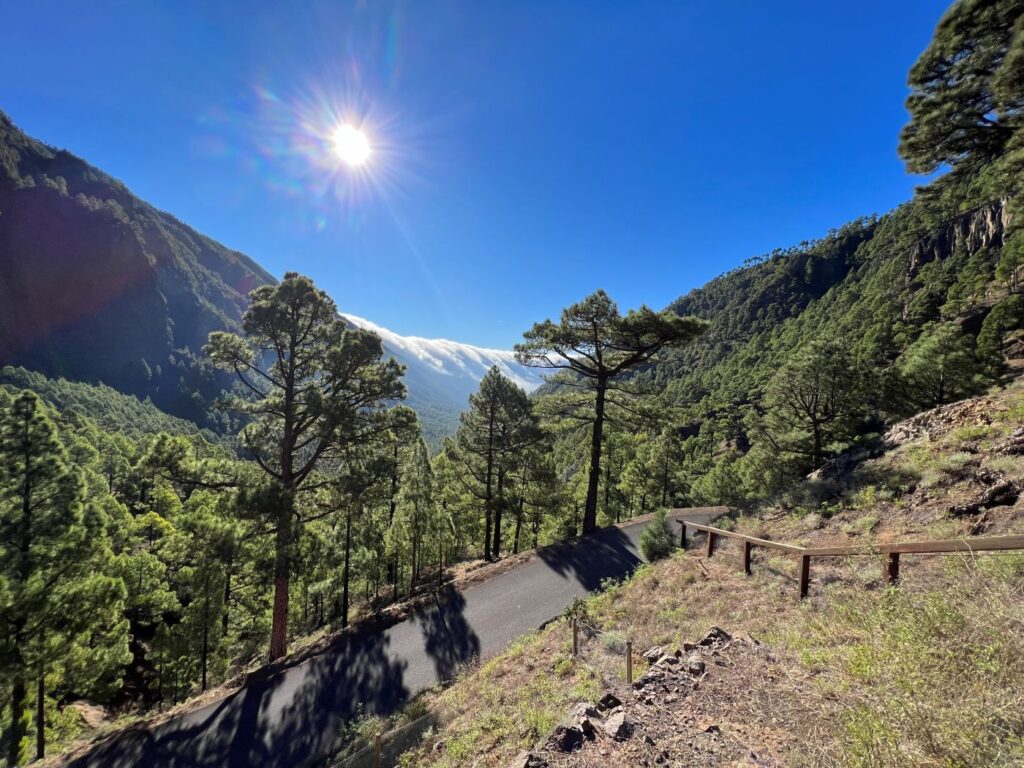
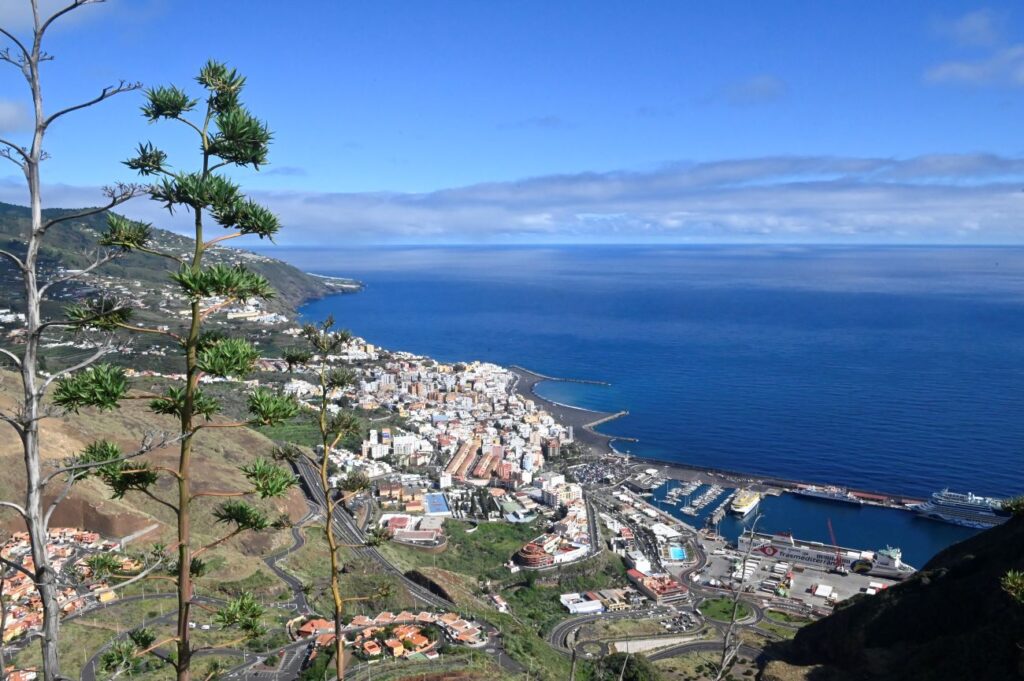
A festival of greenery! Facing the prevailing ocean winds, La Palma is the Canaries« wettest island, at least in its northern part. Covered in well-preserved forest. This is in stark contrast to the arid, volcanic southern part of the island, where the youngest volcanoes in the archipelago were born. In short, it's a tropical island with a very natural feel that appeals to hikers. Nicknamed »La Isla Bonita" (The Good Island), it has been declared a biosphere reserve by UNESCO. The island's capital, Santa Cruz de La Palma, is a jewel of colonial architecture dating from the 16th century.e century.
The Top 5:
- Stretch out under the palm trees on the black sand beach of Puerto Naos.
- Hiking in the Los Tiles rainforest.
- Stroll through the streets lined with colorful houses of Santa Cruz de La Palma, and don't miss its Carnival!
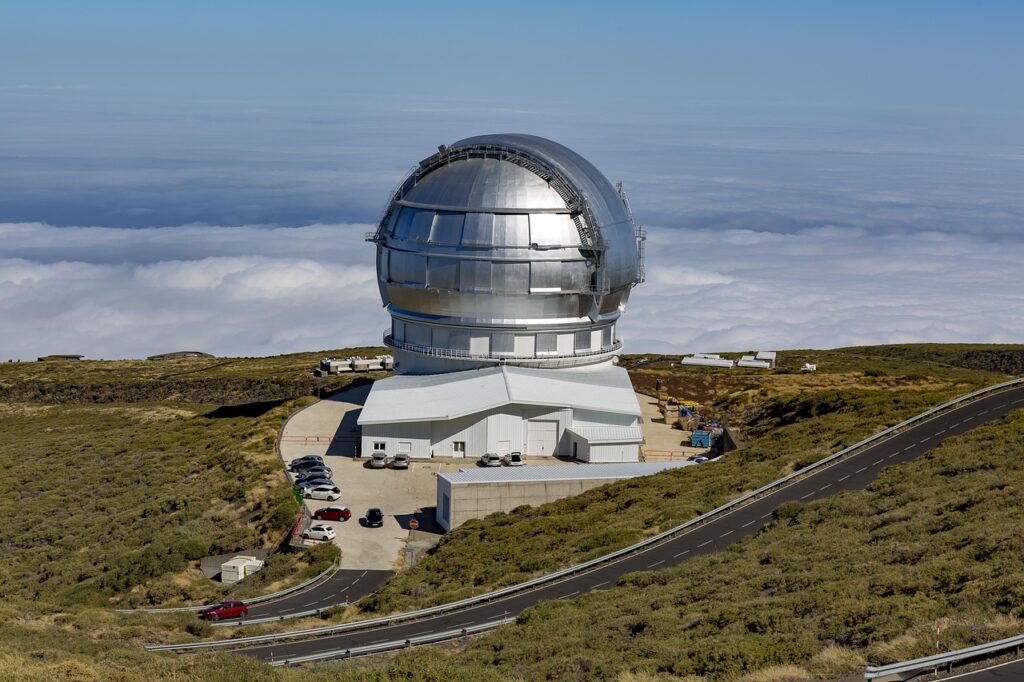
- Admire the stars at the Roque de los Muchachos observatory, one of the best on the planet.
- Sit around a lava table and eat grilled meats at Bodegon Tamanca (calle las Manchas, 38768 El Paso), set in a cave!
El Hierro, the sustainable island
For whom?For travelers looking for peace and quiet, Atlantic solitude and rugged landscapes - in short, a vacation with a difference.
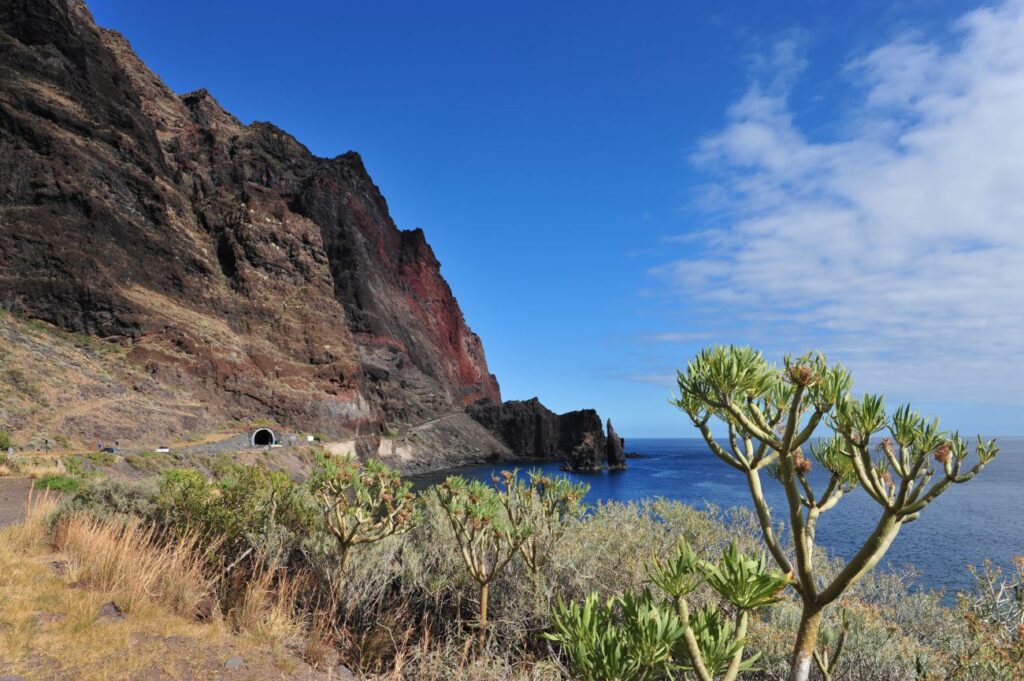
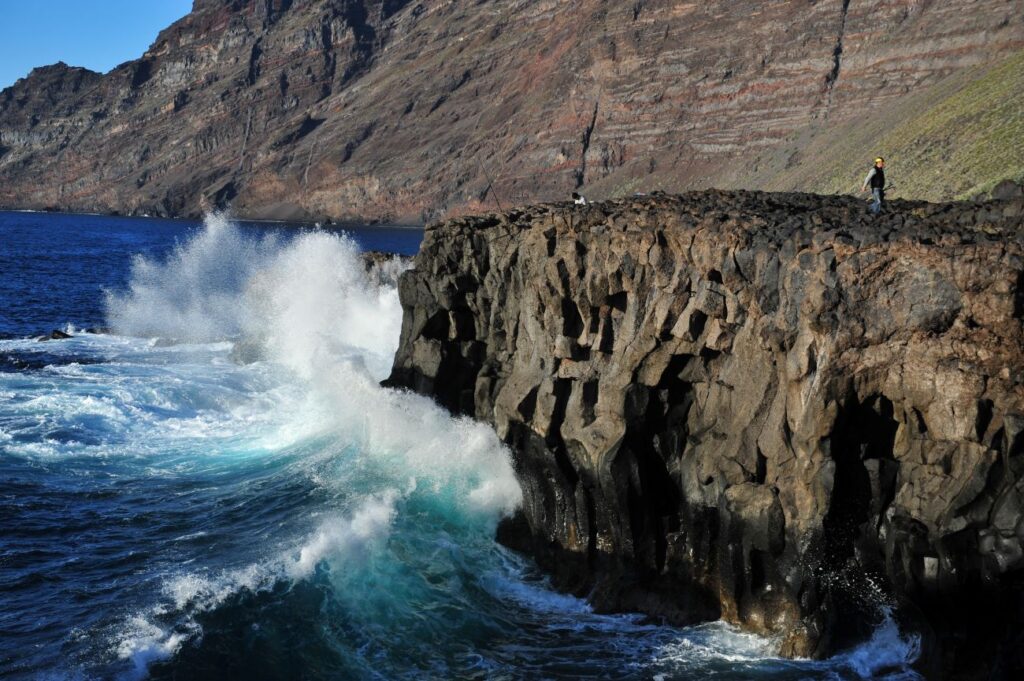
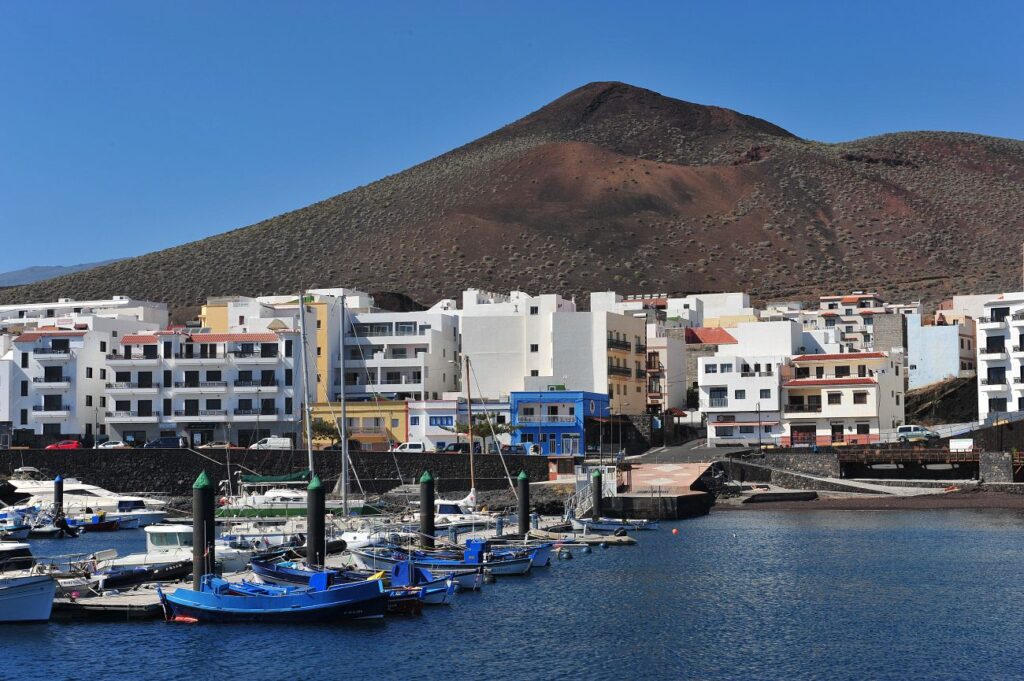
The smallest and most westerly of the Canaries is also the most little-known. With its small surface area of less than 280 km2, El Hierro boasts more than 500 craters and a summit topping 2,000 meters! As a result, El Hierro is subject to an astonishing number of microclimates, giving rise to an equally singular variety of landscapes and vegetation. El Hierro has also been declared a biosphere reserve, and is on the way to becoming a 100% renewable energy island thanks to an ingenious hydro-wind project!
The Top 5:
- Take a dip in La Maceta's natural pools, filled with ocean waves.
- Wander between the twisted trunks of El Sabinar's centuries-old juniper trees.
- Explore the ‘pohe pohe’ lava field of La Restinga.
- Enjoy a drink on the terrace of the mirador de la Peña, designed by the famous artist César Manrique.
- Meet the giant lizards of El Hierro and explore the old houses of the Guinea eco-museum.
La Gomera: the bohemian island
For whom?Gomera is a good compromise for those who like to combine the comfort of good hotels with the pleasures of the beach and beautiful mountain walks.
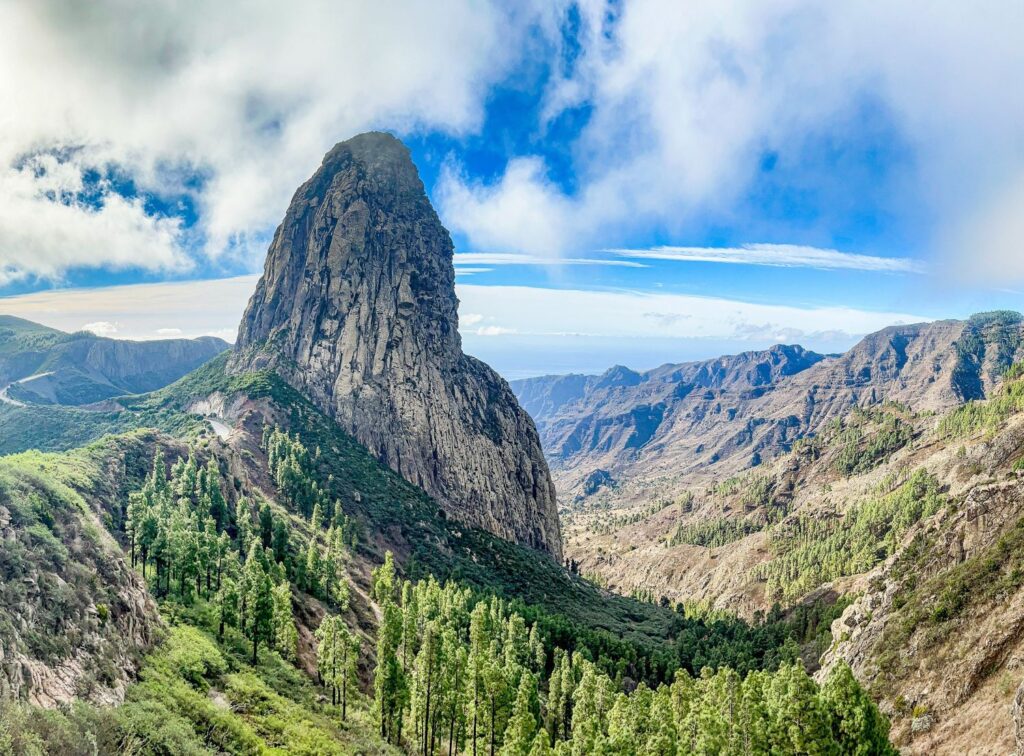
Photo A. Sattler
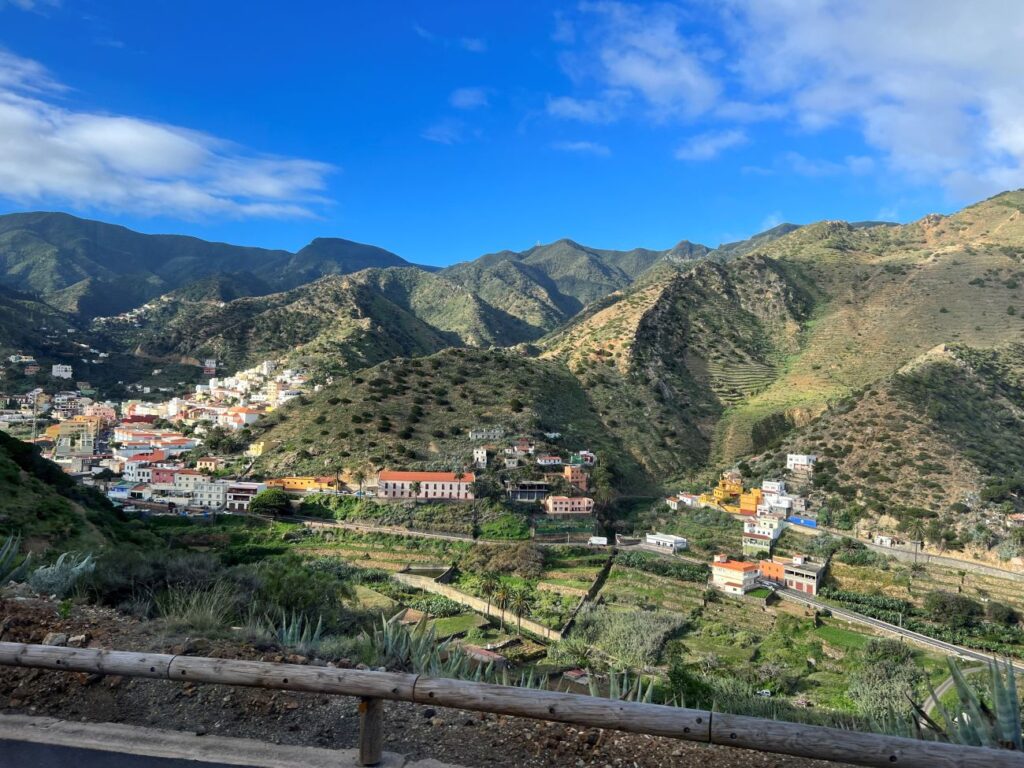
From the open sea, it appears like a round fortress. Its central peak, lost in the mists and capped by laurel forest, projects into ravine valleys sheltering several different levels of vegetation. Renowned for its magnificent scenery, Valle Gran Rey alone is worth the trip. Dotted here and there with small white villages and planted with thousands of palm trees used to produce one of the island's specialities: palm honey, actually the sap from the tree, which must be harvested in the early hours of the morning. Just before reaching the island's longest beach, a viewpoint designed by the inimitable Manrique offers a panoramic stopover.
The Top 5:
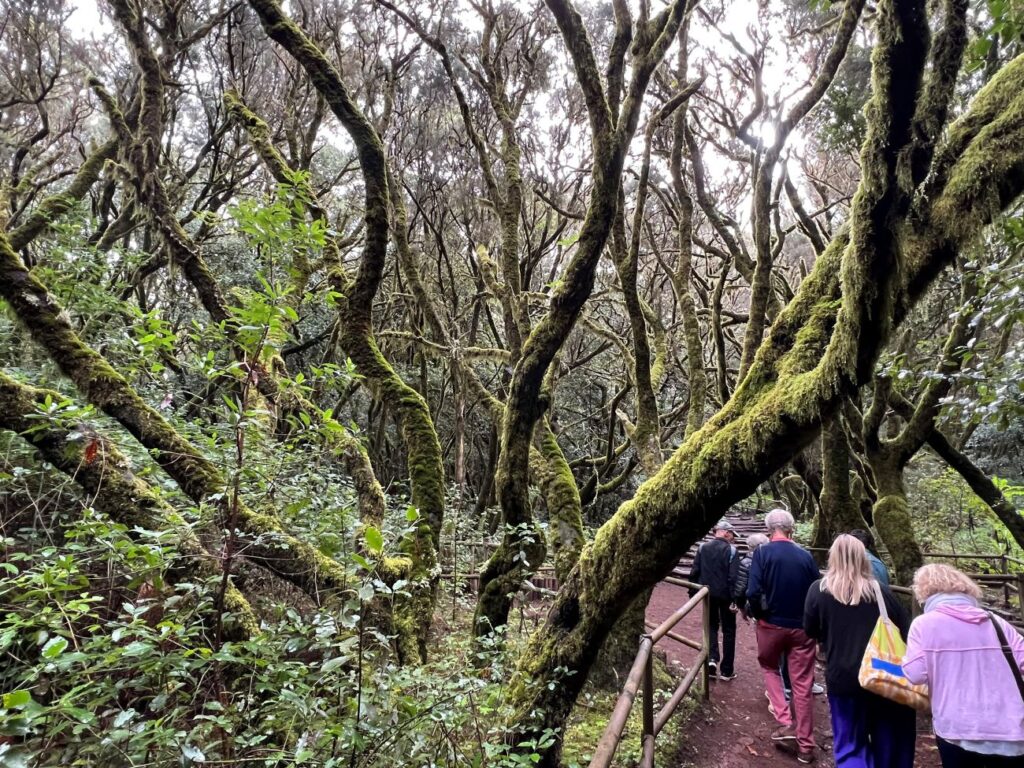
- A hike through the jungle of Garajonay National Park, which covers 10% of the island's surface and is home to 400 plant species.
- At the edge of the park, in Las Hayas, treat yourself to a traditional meal of the highest quality at Casa Efigenia, www.efigenianatural.com.
- In the charming little streets of San Sebastian, the casa de Colon is a reminder that the explorer stopped off in La Gomera to stock up on supplies before his first crossing to America.
- Attend a demonstration of ‘silbo’, a strange whistling language, unique in the world and part of the island's school curriculum!
- Go whale and dolphin watching.
Tenerife, the great lady
For whom?Tenerife: Tenerife combines a lively lifestyle, parties, great beach resorts and great excursion possibilities.
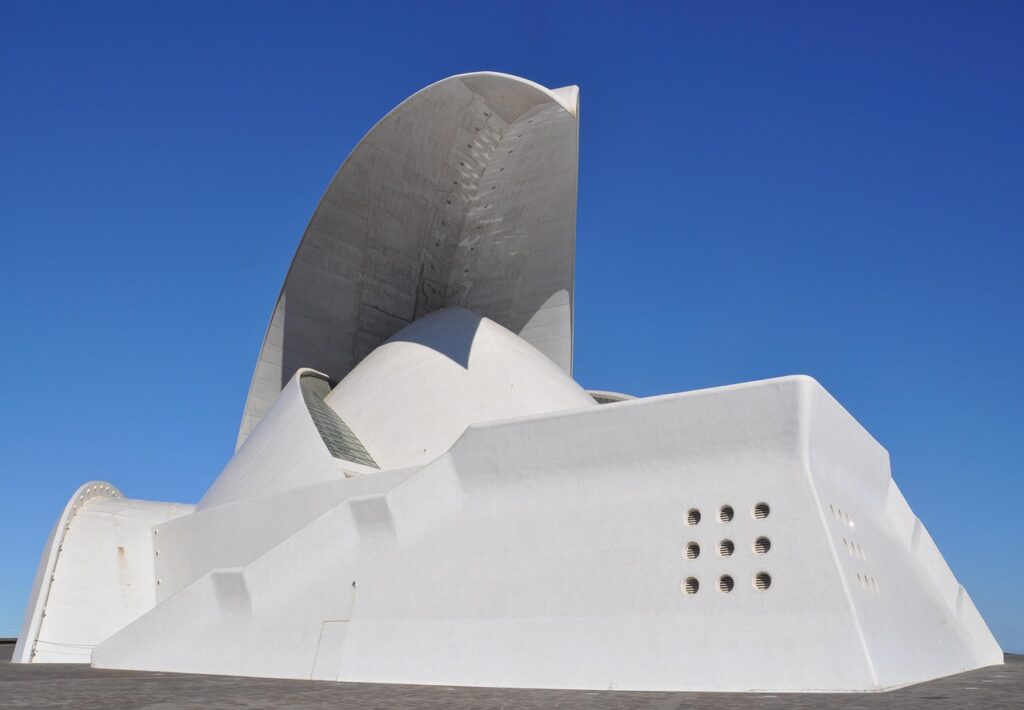
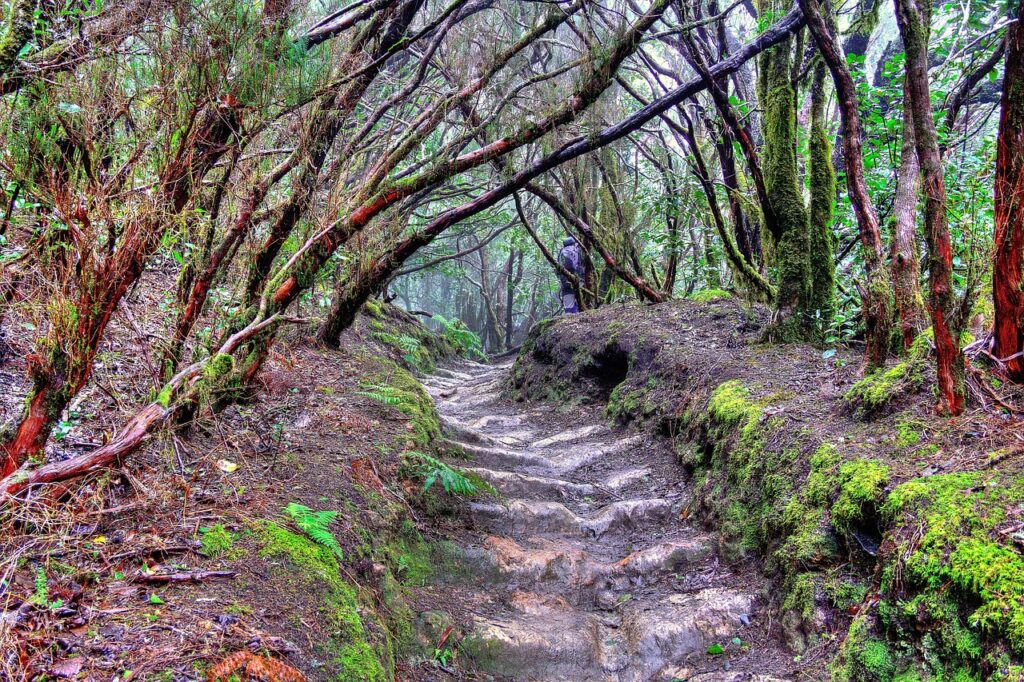
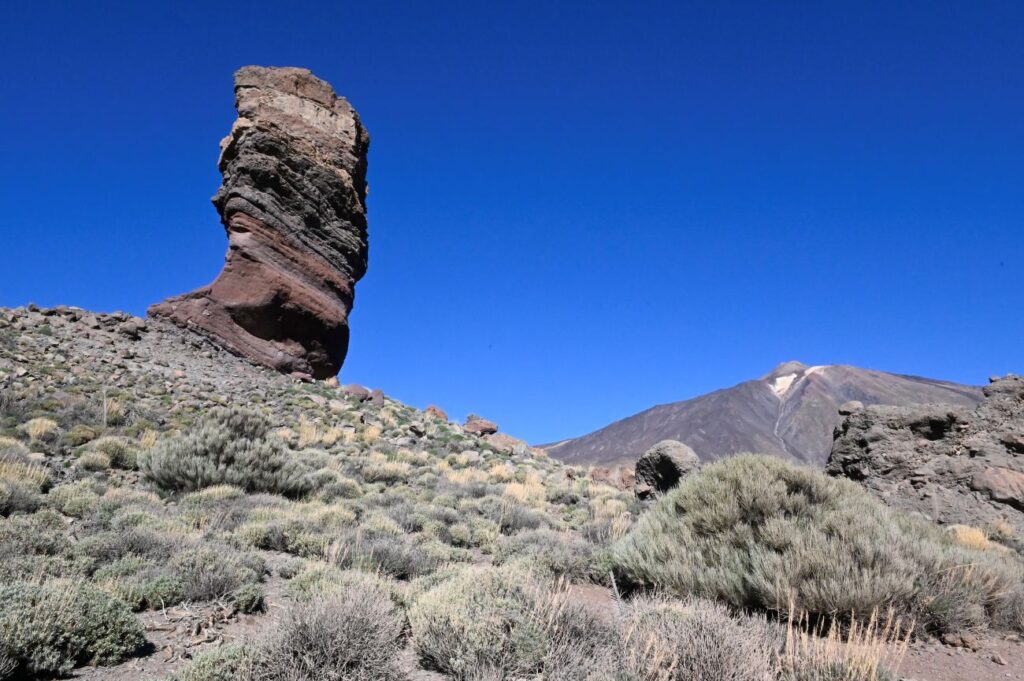
Tenerife is the largest and most visited of the Canary Islands. Renowned for its beaches, hotels and nightlife, it also boasts a number of natural wonders. Starting with Las Cañadas del Teide National Park, a UNESCO World Heritage Site. Crowned by Spain's highest peak (3718 m), often covered in snow, it is home to 14 endemic plants, a thousand Guanche archaeological sites and almost 80% of the world's volcanic formations! The wetter north-east hides a treasure trove of biodiversity in its mountains: the Anaga Mountains. In this Tertiary forest of ancient laurels, lichens and branches intertwine strangely, as in a fantastic tale.
The Top 5:
- In the north of the island, the colorful houses, colonial mansions with carved balconies and shopping streets of La Laguna (the local tourist office organizes free guided tours).
- The Güimar pyramids, eerily similar to those of the Mayans.
- Tenerife's Carnival is fantastic and second to none in Latin America!
- Follow the path through the gullied Masca valley to a pretty beach.
- In Anaga Park, try out the «Sendero de los Sentidos» (trail of the senses), to listen, breathe and touch this beautiful nature as closely as possible.
Gran Canaria, a miniature continent
For whom? For active, inquisitive holidaymakers eager for a variety of pleasures and discoveries.
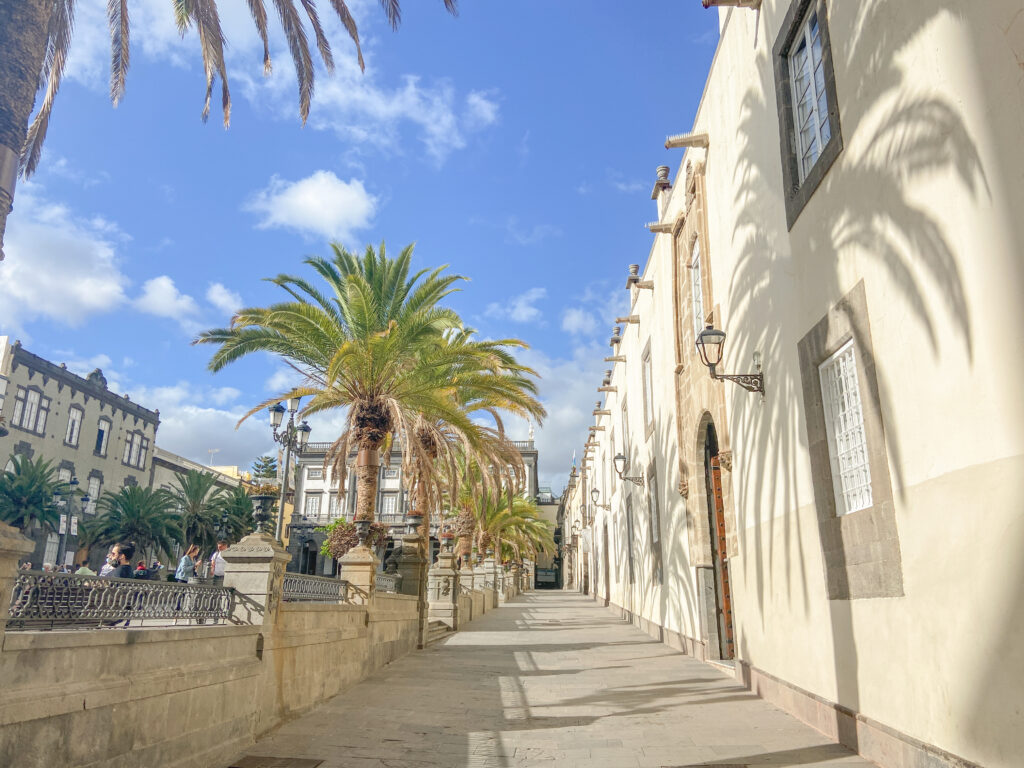
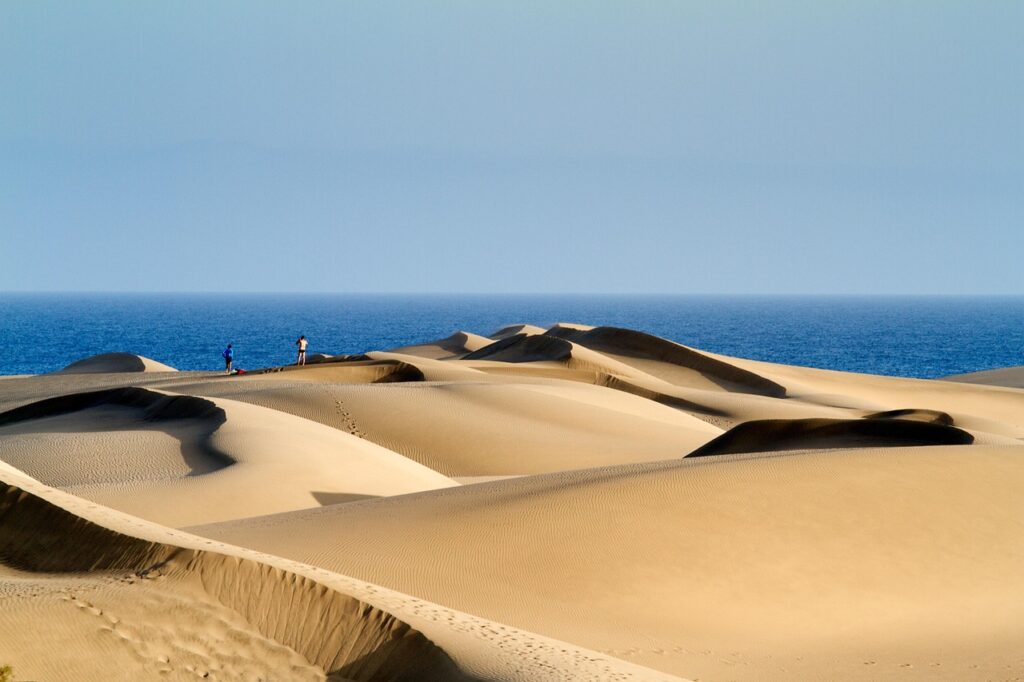
Gran Canaria is a true miniature continent. The mountainous heart of the island, dotted with palm groves, is spectacular. To the south, the landscape becomes more arid, the domain of thistles, fig trees and tabaibas (poisonous plants), and it's in this part of the island that you'll find the seaside resorts. At Maspalomas, the dunes become a sea of sand. To the south-west, on the other hand, you'll find a forest of Canarian pines that makes this region unique in the world. To the north, you'll find the tropics, fields of tomatoes, citrus fruits and bananas, and factories producing «ron», the Canaries' famous golden rum.
The Top 5:
- The island boasts many troglodyte dwellings, which remain cool even in the hottest weather. Some can be rented out (at Artenara), while others have been converted into bars or restaurants, as at Barranco de Guayadeque.
- A secret address: Molino de Agua (www.elmolinodeagua.com), a small oasis for a bite to eat amid the palm trees, but also for a night's or... a week's accommodation.
- The seaside village of El Roque, on the north coast.
- Rock paintings in the Cueva Pintada archaeological park.
- The road along the west coast winds its way boldly along the cliffside, 200 m sheer above the sea. A magical route!
African Fuerteventura
For whom?For lovers of endless, luminous, wind-whipped beaches.
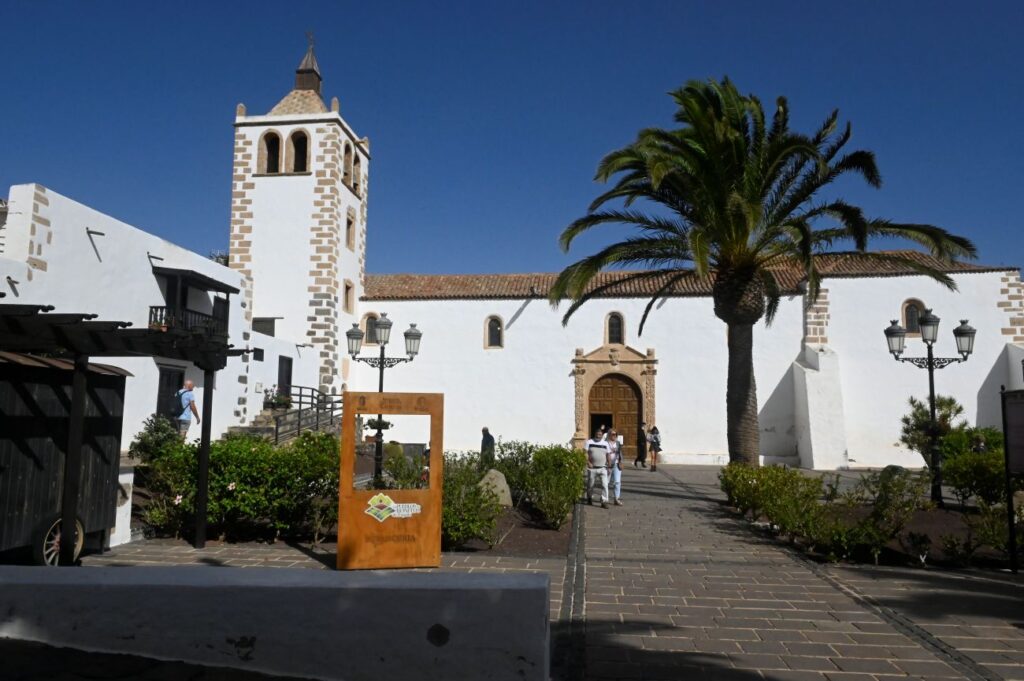
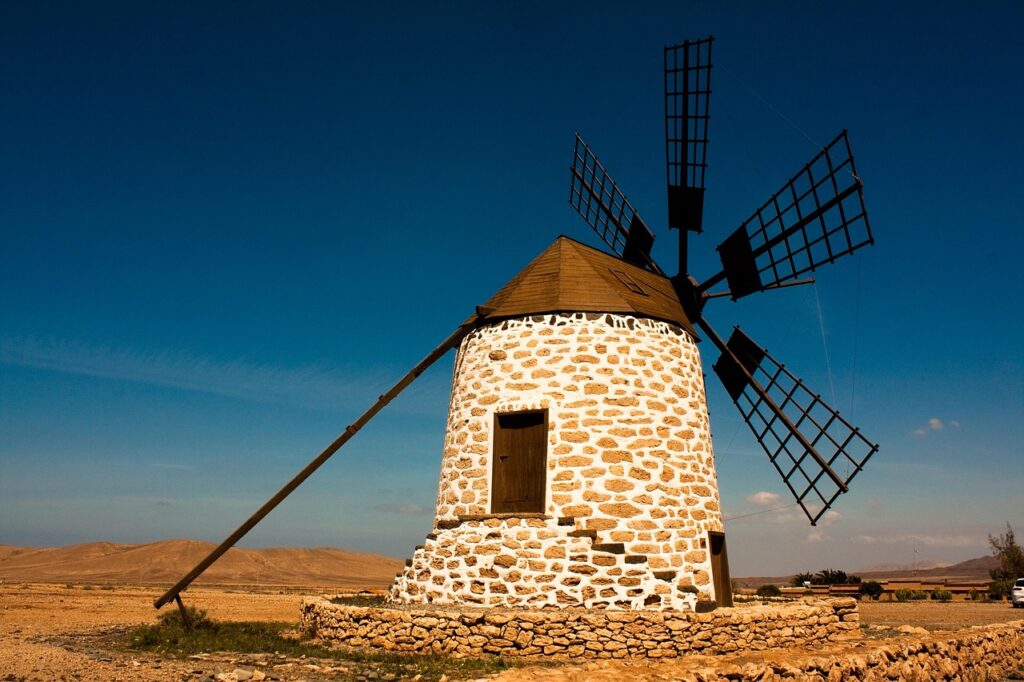
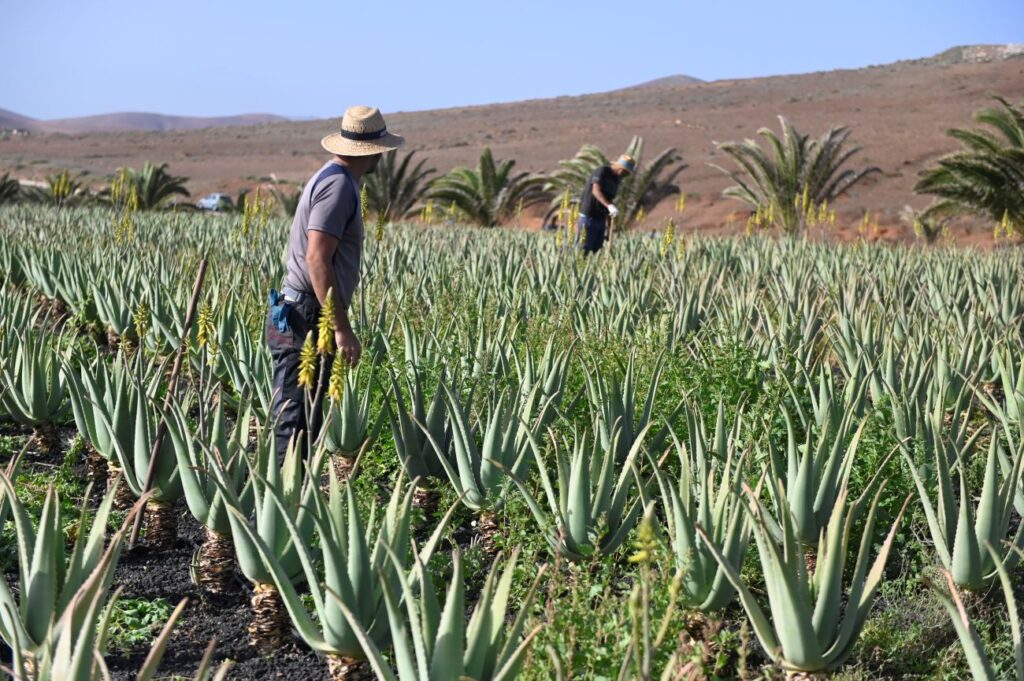
The second largest of the Canary Islands, Fuerteventura has changed little since its discovery. On its eastern coast, only a few hotels face the dunes of the Sahara. The chergui, a desert wind, deposits fine white sand here, shaping the dunes and endless beaches. You can sometimes walk for dozens of metres without losing your footing in veritable turquoise lagoons, just like in the Caribbean! For the rest, the island is almost desert-like, with a few farmers struggling to grow aloe vera, a fatty plant used to make skincare products. The relatively flat landscape is punctuated by windmills and whitewashed cube-shaped houses.
The Top 5:
- The most beautiful beaches are on the eastern side of the Jandia peninsula, at the southern tip of the island. Another jewel: the dunes and beach of Corralejo (north-east), bordering an emerald sea.
- A romantic dinner at the Lagomar in Nazaret. The estate, designed by César Manrique, once belonged to Omar Sharif and now houses accommodation and a museum (www.lag-o-mar.com).
- Fuerteventura is a well-known spot for windsurfers and kitesurfers, as there is always a strong easterly wind. A good address for surfing: 7Island Surf, www.7islandsurf.com.
- Did you know that Fuerteventura has both male and female windmills? You'll soon find out why.
- Admire the sunset at El Cotillo (lighthouse, cliffs and a good address - «La Vaca Azul» - overlooking the beach).
Lunar Lanzarote
For whom?for lovers of art and raw landscapes.
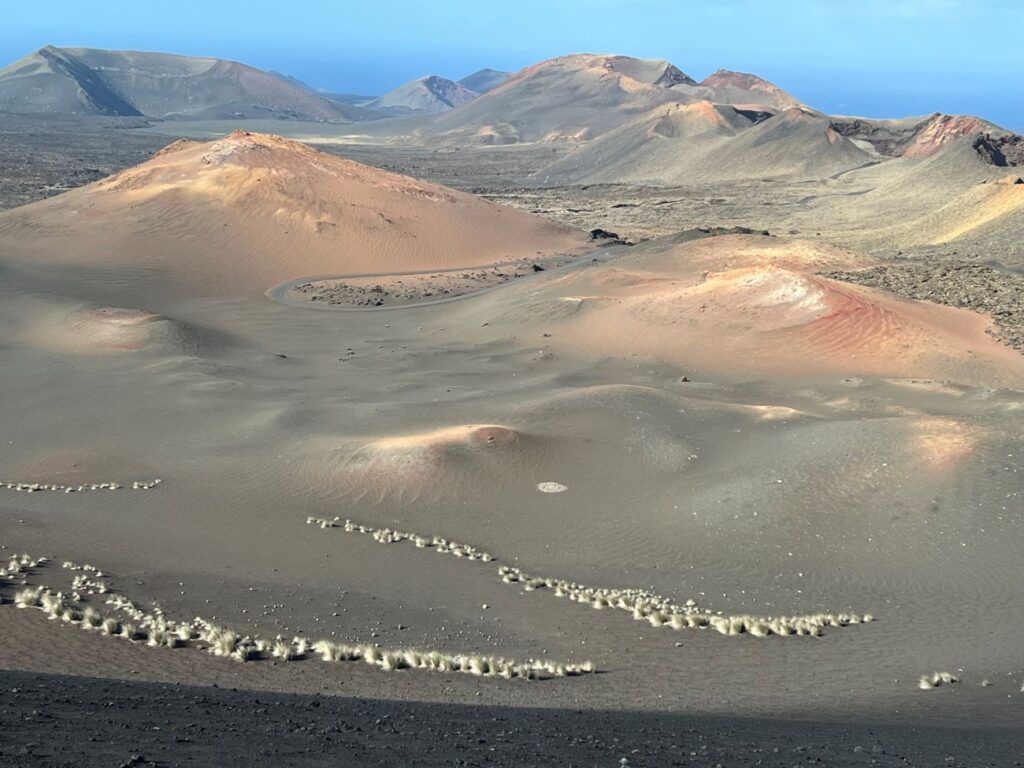
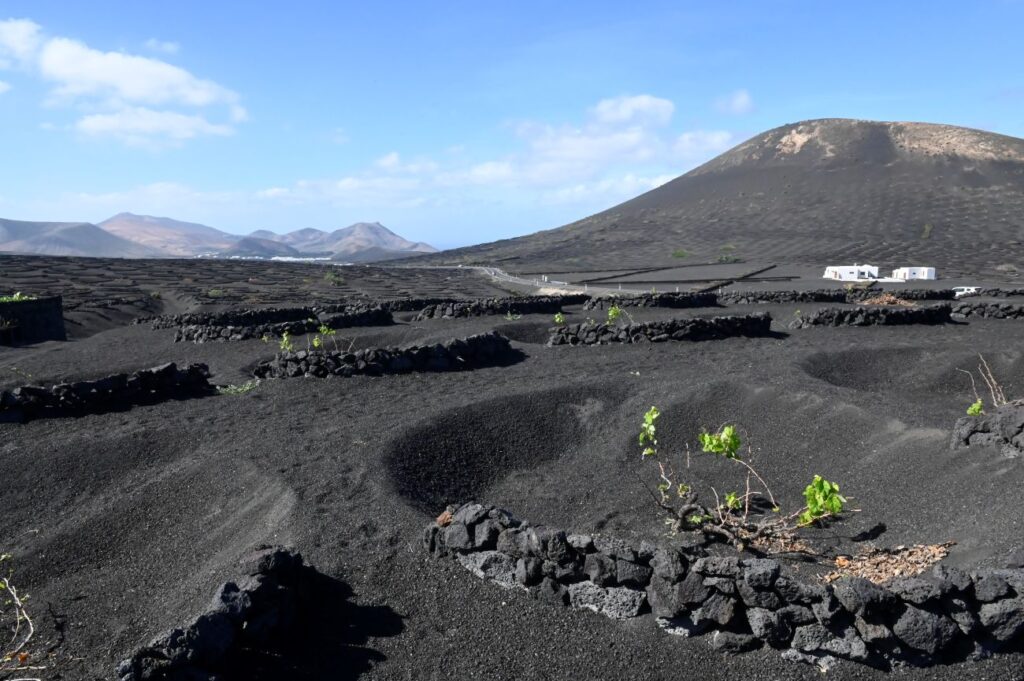
As soon as you leave the airport, the atmosphere becomes minimalist: black earth, white walls and cacti. The island has literally been spewed out by a string of volcanoes. For the moment, it's quiet, but two centuries ago, the last major eruptions lasted... seven years! They say hell is never far from paradise: this volcanic ash is the bedrock of one of the most astonishing vineyards in the world. At ground level, thousands of small, neatly aligned craters nibble away at the bases of the volcanoes, each harbouring a single vine, surrounded by a small crescent of stone to protect it from the wind. We're only 100 kilometers from the Sahara, and it shows. The island is not monotonous, on the contrary: the earth varies from black to a sometimes very strong red. Add to this the azure of the sky and the white of the cube-shaped houses, and Lanzarote proves to be one of the most endearing islands in the Atlantic.
The Top 5:
- A camel ride through volcanic sands. These curious humped animals are the descendants of animals imported in the 16th century.e century to work in the fields.
- After the salt flats by the sea, stop off at El Golfo, another of nature's spectacles: an emerald-green lagoon - whose color is due to the salt content, which is higher than in the Dead Sea - has invaded an explosion crater.
- Take a Segway ride (www.ajaches.com) through the volcanic sands of the south of the island.
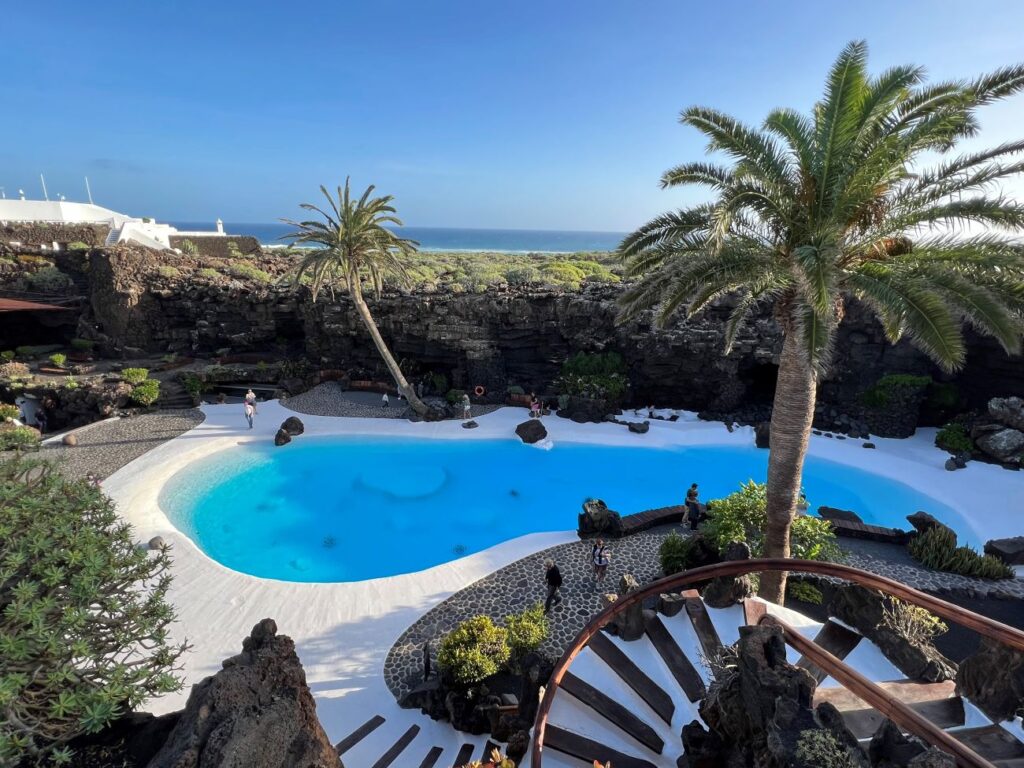
- Discover the works of César Manrique, the local artist who literally shaped certain areas of the island: the cactus garden, the natural site of the Jameos del Agua caves (garden, restaurant, underground lake populated by translucent crabs...).
- Visit Timanfaya National Park by car for its volcanic landscapes. The observatory on the park's highest point is the only place to set foot.
Carnet de voyage:
- How to get there 4 hours flight from Western Europe. Excellent inter-island connections by plane or boat, enabling you to combine several discoveries.
- Time difference : -1h.
- More info: : www.spain.info, www.salutilescanaries.com.
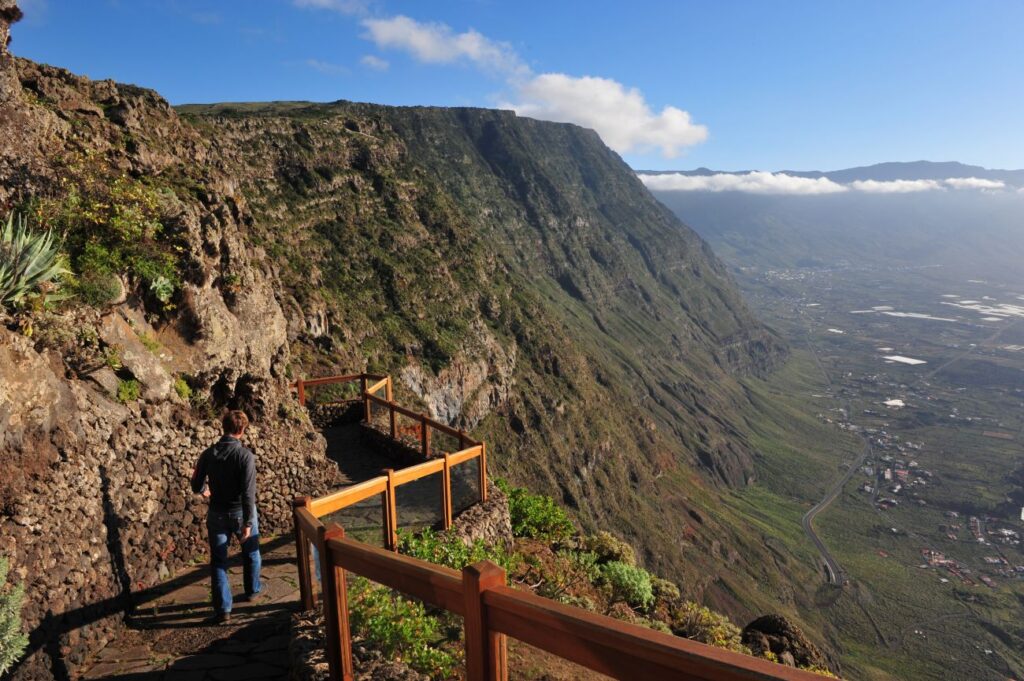
Photo gallery: Eric Vancleynenbreugel
