And in the middle flows the Rhône... In Valais, on either side of the river are hidden narrow valleys that have long been difficult to access. So many different microcosms to discover, even in winter.
Over the millennia, the Rhône has literally split the Alps and carved out a cozy bed for itself across the Valais. The almost Mediterranean climate is ideal for growing apricots, and the terraced vineyards produce excellent wines, sometimes from rare grape varieties. From the banks of the river, a small vertigo route climbs up to the Val d'Anniviers, one of the most unusual valleys in the Valais.
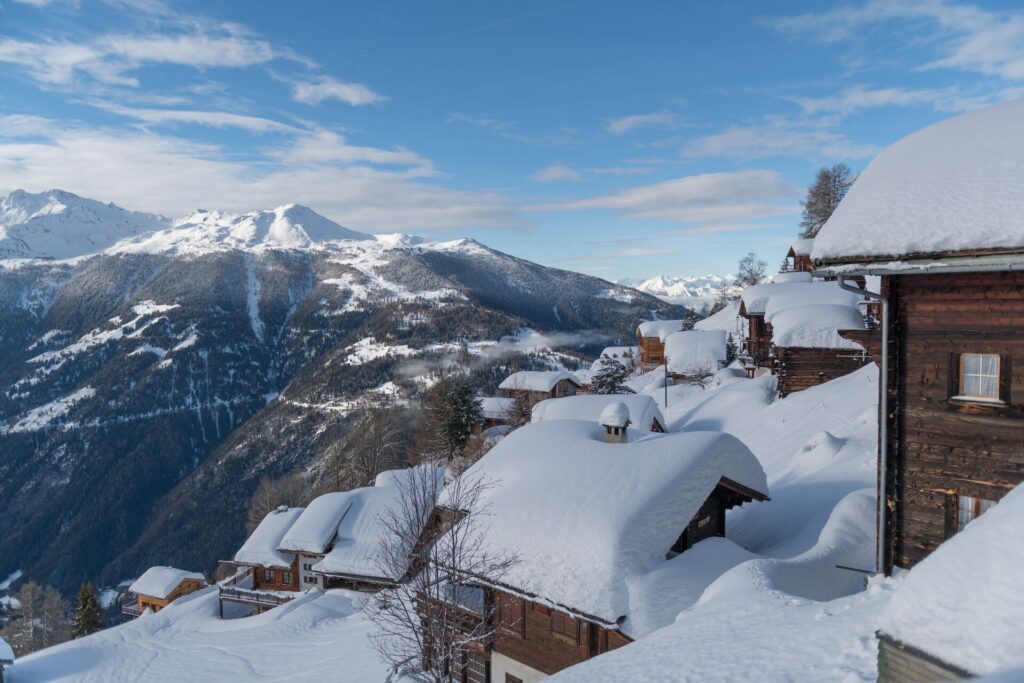
Photo Alban Mathieu
Stirring up life
The scenery changes abruptly as soon as you round the last hairpin bend. Raccards (the name given to wooden barns in French-speaking Switzerland) and chalets blackened by centuries of sunlight greet you as you enter the hamlets. High above the road, the village of Chandolin, one of Europe's highest year-round inhabited villages, teeters at an altitude of 2,000 metres. Stopping at the bend that marks the end of the hamlet of Niouc, the Anniviers mountains can be seen in the background. In the foreground, a large wooden cross symbolizes what made life possible here: faith, courage and ingenuity. The Anniviards have retained a tenacious character that stems directly from their parents« way of life. Indeed, until the 1960s, families, often large ones, lived according to a regular rhythm of migration between the mountains and the Rhône plain. They »moved« on foot, as a family and with a few mules, to cultivate their vines, tend the rye fields and mow the hay in the village or in the mayens, not forgetting the transhumance of the herds to the mountain pastures and the upkeep of an ingenious system of irrigation canals - the bisses. Some also exploited the valley's many small mines. Everyone took part in this »stirring up": the parish priest, the authorities and even the schools! The mule trail created opportunities for young people from other villages to meet.
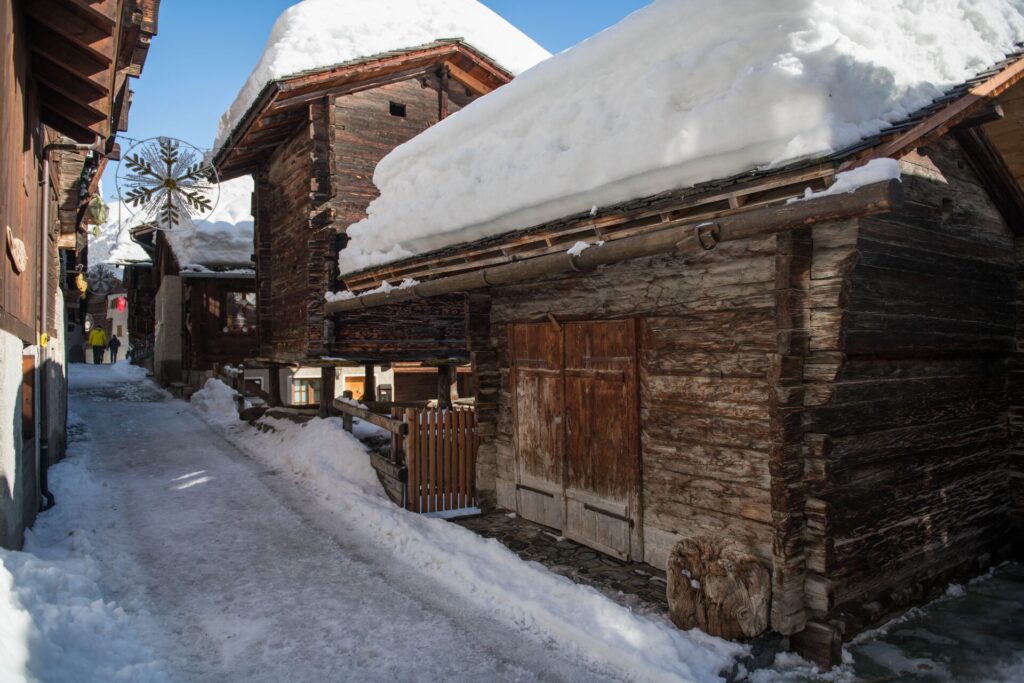
Photo Alban Mathieu
In the late 1950s, the construction of the Moiry dam necessitated the tarmacking of a road to bring in materials. Working on the dam brought cash into households that had largely lived by bartering, and signaled a change in lifestyle towards sedentarization. This was confirmed with the beginnings of tourism and the first ski lifts, inaugurated in 1969.
Old-fashioned bread
Perched below Lac de Moiry, Grimentz is one of the last two villages at the end of this long, forked valley. With its ancient cottages, narrow streets and wooden fountains, Grimentz is without doubt one of the most beautiful villages in Switzerland. Until the 1960s, life here was still largely dominated by farming. And by the seasonal «remuage», the migration of men and animals between the lower and upper valleys. At the village's communal oven, you can touch with your hands a part of Anniviers' rich tradition. Once a week, the small, centuries-old building is the place to knead and bake bread the old-fashioned way. A loaf of rye bread that used to be baked only twice a year, but which keeps beautifully at Grimentz's altitude and in its dry air.
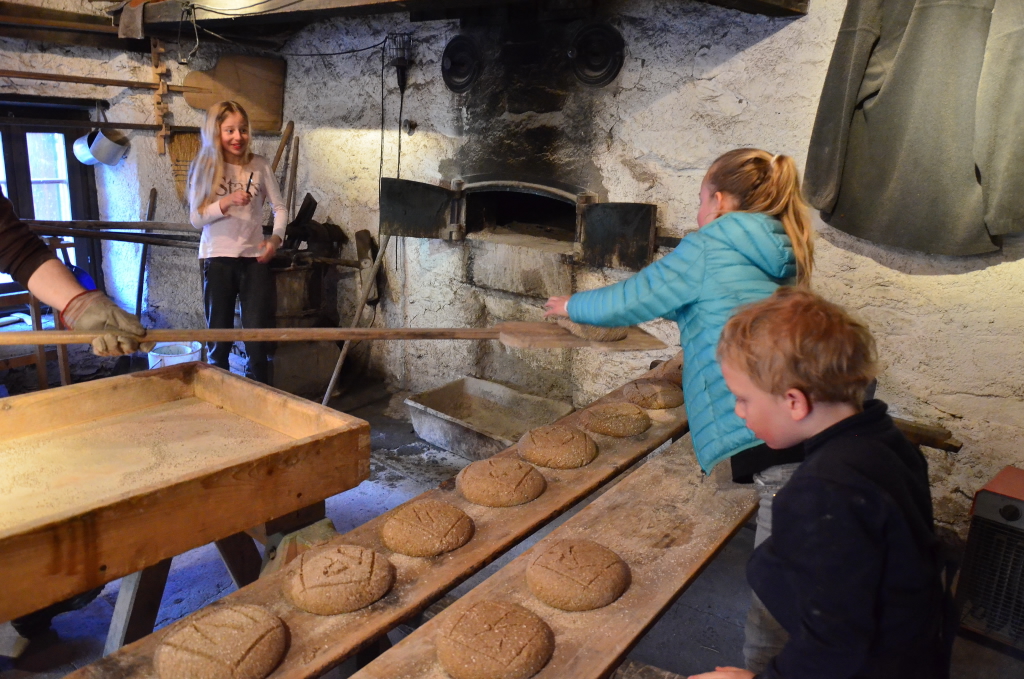
Photo Eric Vancleynenbreugel
Glacier wine
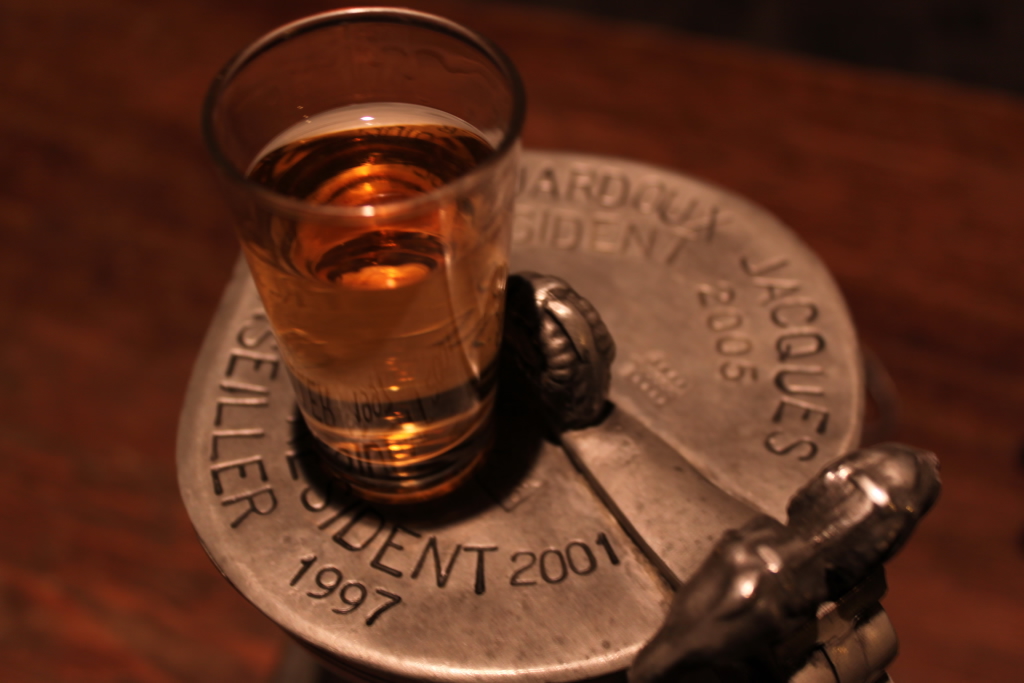
Many talk about it, but few have ever drunk it. Glacier wine is an oxidative type of beverage, a little like sherry. It's another specialty found only in Grimentz. To make it, a barrel is used which is never completely emptied, and to which a little wine from the new harvest is added each year. As a result, this wine contains grapes that are over a century old! Vin de l'accoucheée, on the other hand, is a white wine enhanced with herbs and spices, which is heated and served to the new mother. This custom has left us with humagne blanc, a quality wine that is no longer heated.
At the foot of the Imperial Crown
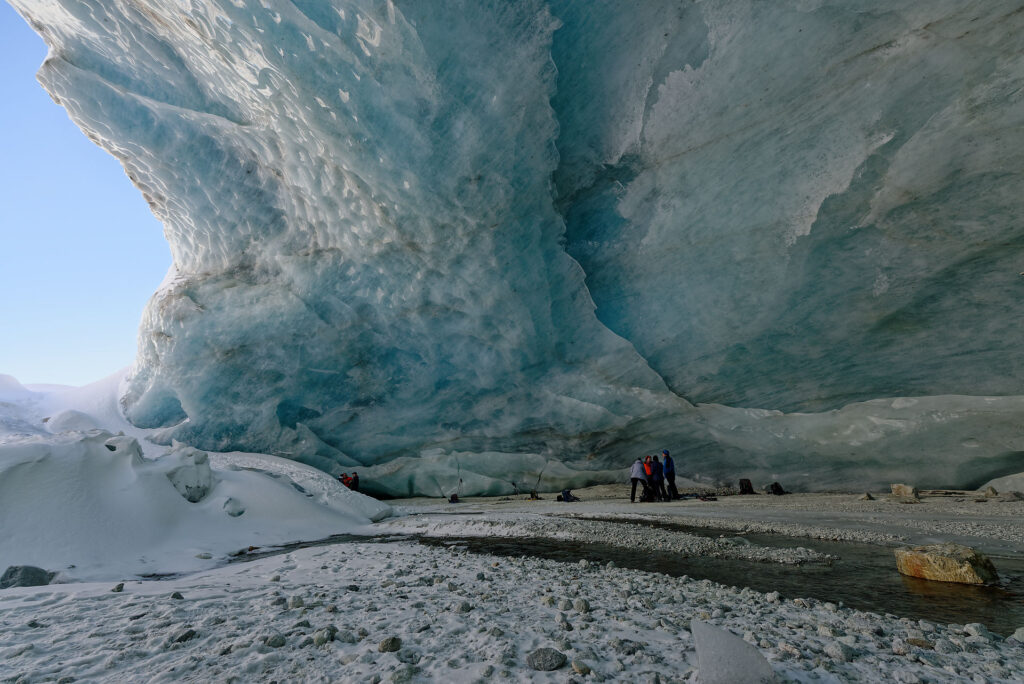
At the other end of the valley, Zinal nestles at the foot of the Weisshorn. Surrounded by the Imperial Crown of 5 peaks over 4000 m, the small village, built of typical mayens, once served as a staging post for farmers heading up to the mountain pastures. Some of the most beautiful and unusual hikes in the Alps start here, such as the 1h15 hike to the recently rehabilitated Lée copper mine, the only one in Switzerland open to the public. Another unusual experience, to be enjoyed from November to March, is a visit to the interior of the Zinal glacier, which can be accessed with snowshoes.
The pleasures of sliding
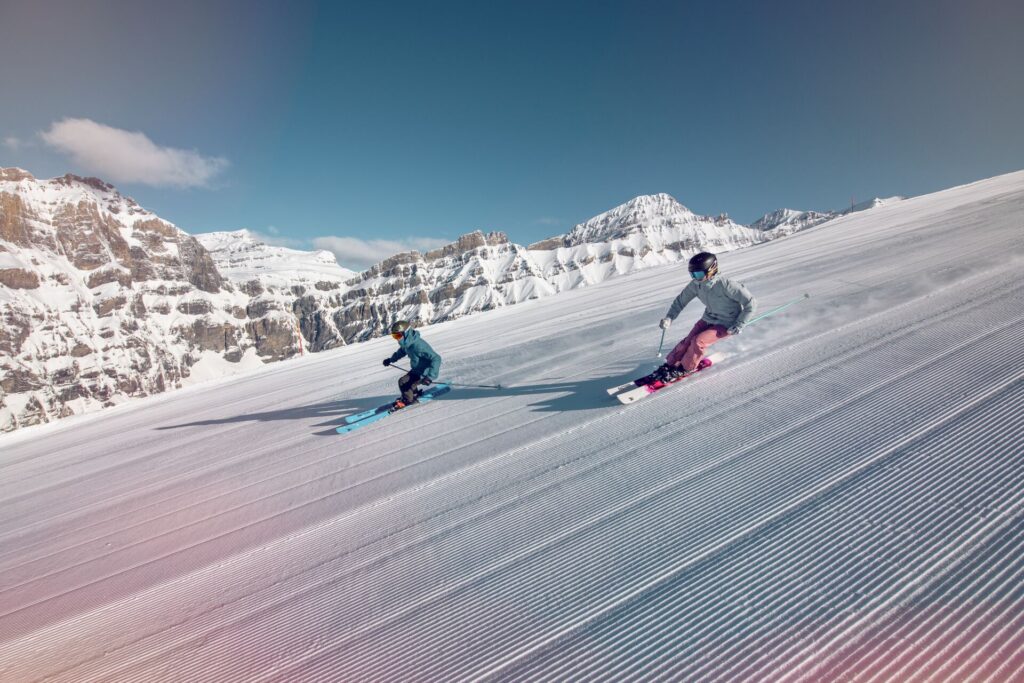
Between peaks and glaciers, the Val d'Anniviers boasts three ski areas with a total of 220 kilometers of slopes up to 3,000 meters. The big advantage: you can access all three with the same ski pass. The ski area in Grimentz and Zinal is linked by an impressive panoramic cable car that spans the valley. Groomed slopes, freeride, tobogganing, snowshoeing... snow cover is guaranteed until Easter.
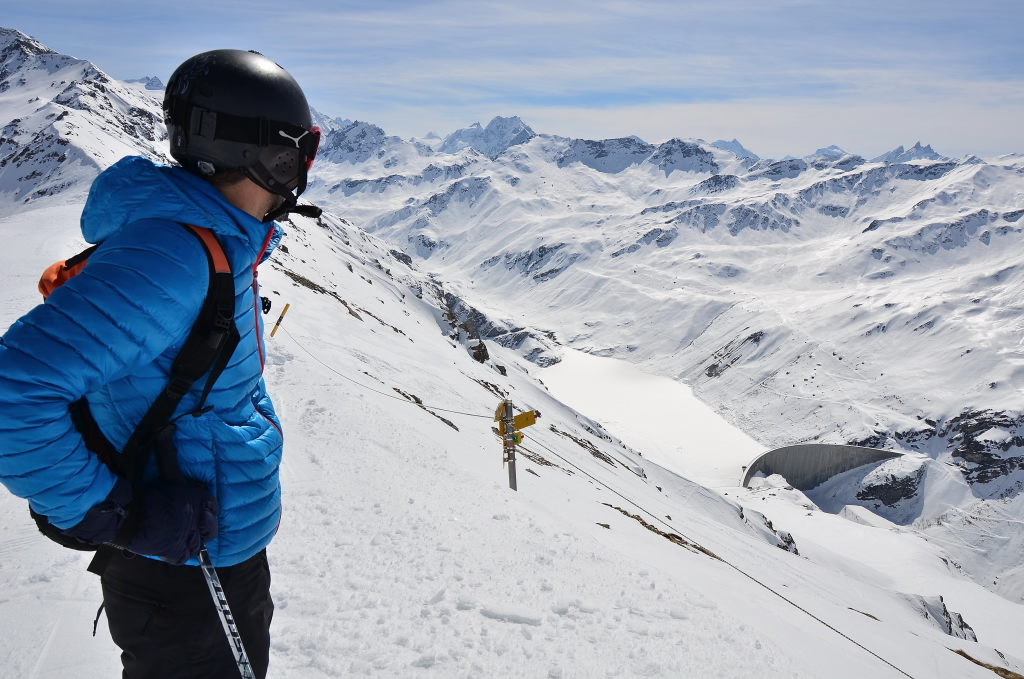
Photo Eric Vancleynenbreugel
65 sources
On the other side of the Rhône, head for the Leuk valley. For a long time, it was inaccessible for part of the winter. After Leuk town, the road passes through a narrow passage and then winds its way between immense cliffs. Suddenly, the gully widens, revealing walls on either side climbing to over 2000 metres, from which an impressive number of waterfalls cascade down. You have to push on to the end of the valley to reach Leukerbad, an integral part of the Finges Nature Park. Here, 65 springs gush out 3.9 million liters of thermal water every day, some at a temperature of 51°C. This is the highest flow rate on the continent, and the water flows into 30 pools. The Romans already appreciated its qualities, and many celebrities have bathed here: from Goethe to Mark Twain, Maupassant, Dumas and even Lenin...
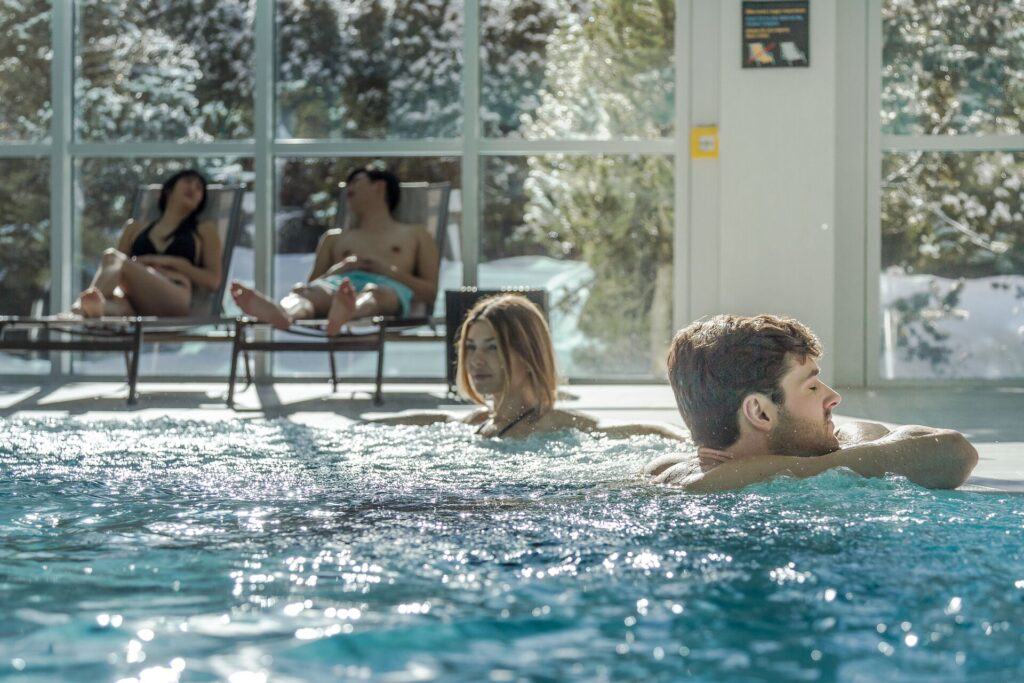
Photo Tam Berger
Spa and champagne
Today, the valley's magical setting and the pleasures of the spa attract visitors from Switzerland and abroad. Families especially appreciate Leukerbad Therme, where relaxation zones (jets, swan necks, massage rooms...) alternate with play areas (paddling pool, slides, sports pool...). Indoors and out. In summer, treat yourself to a champagne breakfast in the water. In winter, torch-lit evenings.
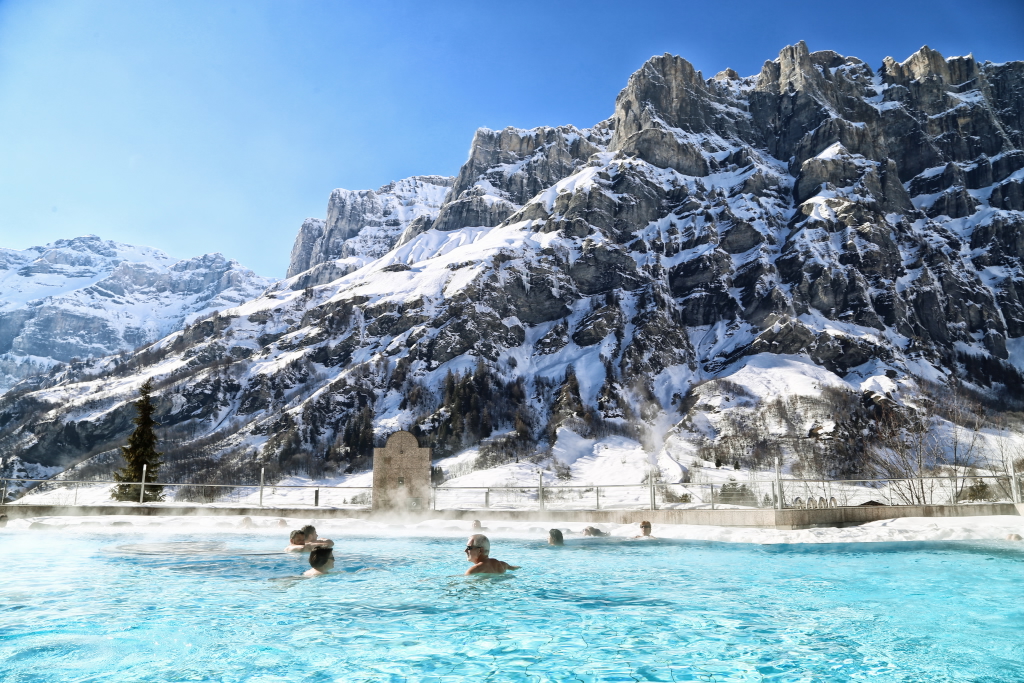
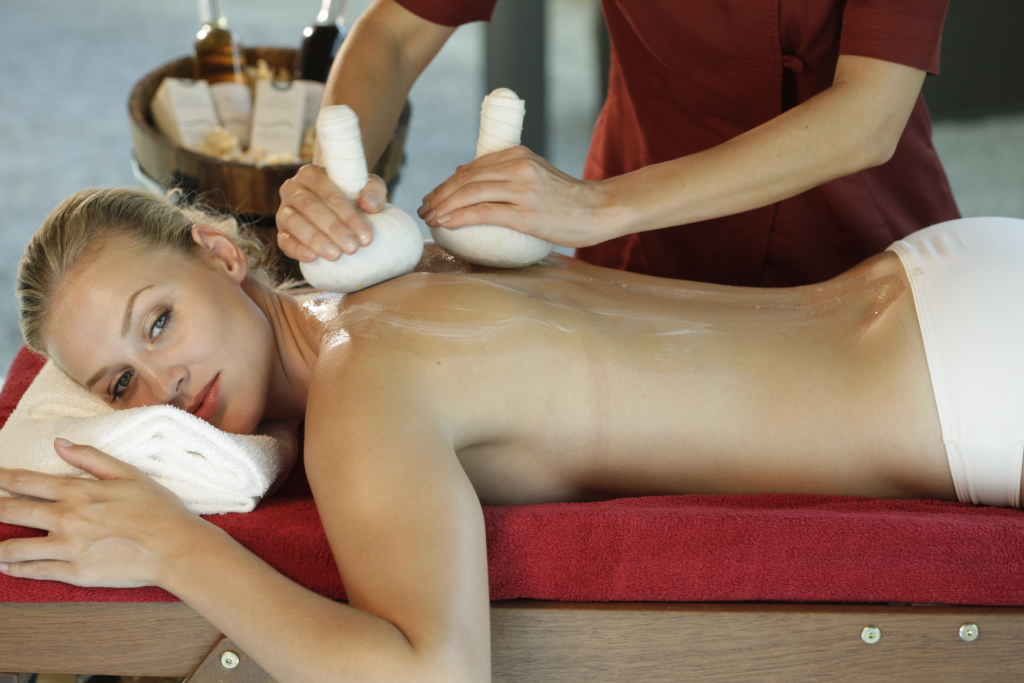
On the edge of the village square, the Walliser Alpentherme & Spa Leukerbad offers a range of different experiences: a Valaisan sauna village where wood and shale decorate the spaces, or a Roman-Irish bath in 11 stages during which baths are alternated at different temperatures, allowing the body to warm up slowly before being gently cooled down. A pleasant ritual inspired by ancient baths, ending with a soapy brush.
More challenging, but still water-related, is the vertiginous hike from the village through the Dala Gorge, overlooked by a 600-metre footbridge built 4 metres above the torrent. Rust bands visible on the rock attest to the high iron content of the thermal water that oozes through the rock. Via a suspension bridge, the path then reaches a 35 m-high waterfall. Two staircases lead down to the upper reaches of the Dala.
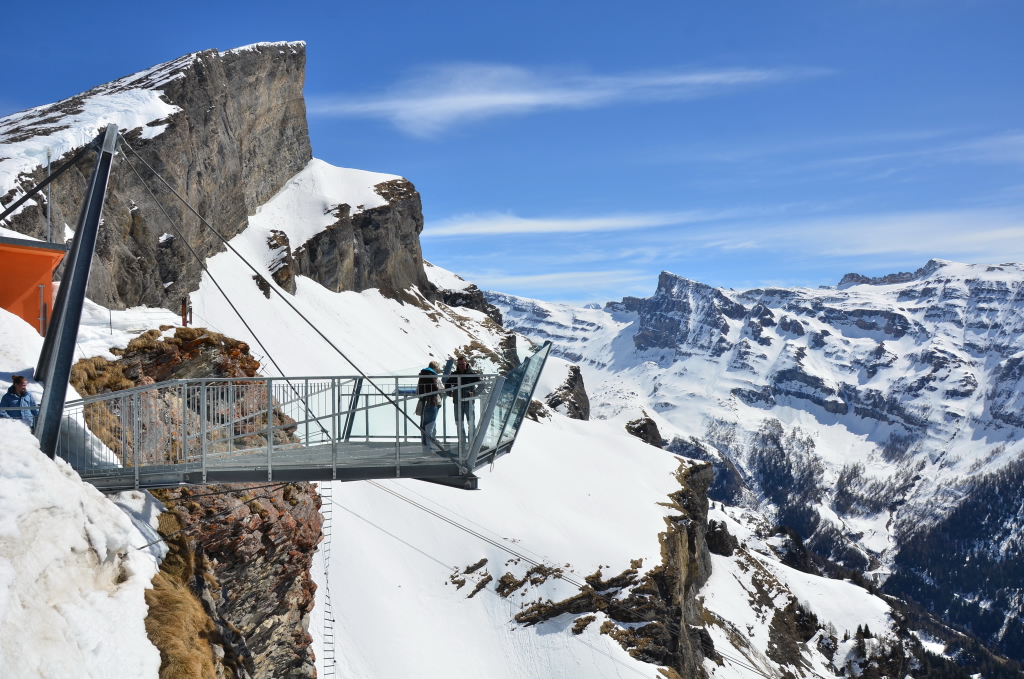
Photo Eric Vancleynenbreugel
Gemmi Pass
An (impressive) cable car ride from the village, or a perilous path carved into the rock face, takes you up to the Gemmi pass, which locks the valley. From up there, an unforgettable panorama is guaranteed. And an extra thrill for those who venture onto the transparent footbridge thrown over the void! Below, at an altitude of 2200 metres, the largest natural lake in the Valais points the way to the neighbouring Lötschental.
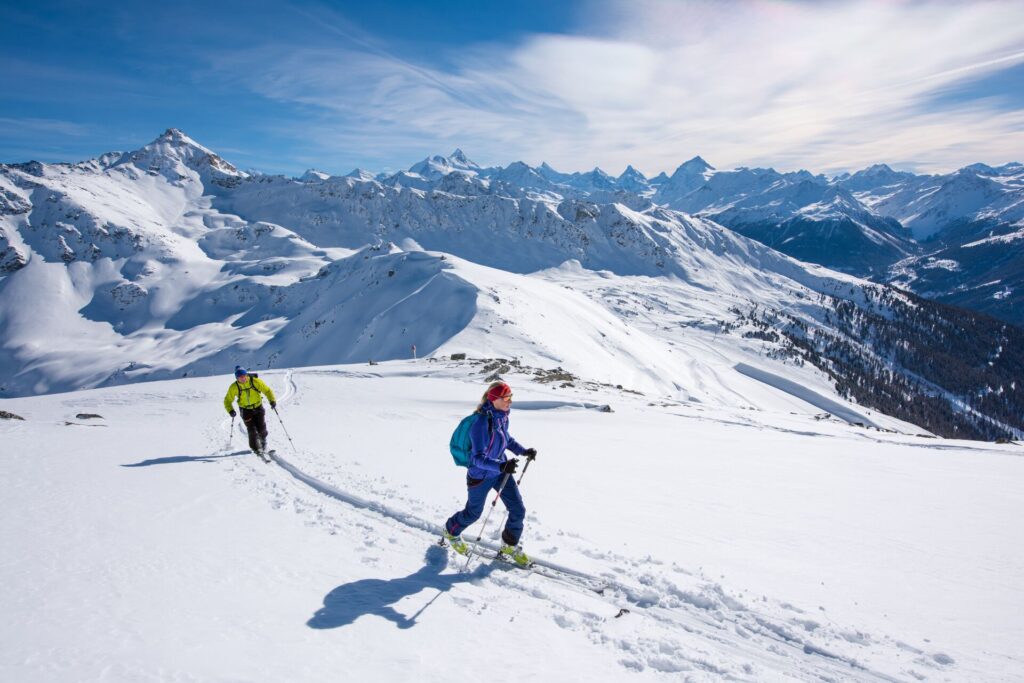
Photo Yves Garneau
Carnet de voyage :
What to see/do :
Registration at the Grimentz Tourist Office (grimentz@anniviers.ch):
- guided tour of the Bourgeoisie and Vin de Glacier tasting ;
- visit to the communal cowshed ;
- production of AOC rye bread.
Upon registration, visit the Zinal glacier: www.swissalpineemotion.com.
In Leuk, try out the Velogemel, a combination of bike and sled. Rides like a bike, glides like a sled!
Good for the budget, the Torrent and Gemmi (Leukerbad) cableways are now part of the’Indy Pass (www.indyskipass.com), in partnership with Portes du Soleil. This international pass offers excellent value for money to winter sports enthusiasts from all over the world.
More info: : www.valdanniviers.ch, www.leukerbad.ch. www.MySwitzerland.com.